The largest antioxidant supplement trial ever run — 29,000 male smokers, the ATBC study — found that beta-carotene supplements increased lung cancer risk by 18%. Not decreased. Increased. That was 1994, and the supplement industry quietly moved on.
I’ve spent years reading through the actual antioxidant research, not the marketing copy on supplement bottles. What I found is more interesting, and more nuanced, than “eat blueberries and stay healthy.” There’s real mechanism here, real evidence for some interventions, and a graveyard of failed supplement trials worth understanding before you spend money.
The Free Radical Problem Your Cells Face Every Day
Your body runs on oxygen. The problem is that using oxygen generates unstable byproducts called free radicals — molecules with unpaired electrons that steal electrons from nearby cells. This process, called oxidation, damages DNA, proteins, and cell membranes when it goes unchecked.
Every time you breathe, exercise, digest food, or get exposed to UV radiation, your cells produce free radicals. This is normal metabolism, not a disease state. The problem is when free radical production outpaces your body’s ability to neutralize them — that imbalance is called oxidative stress.
What Free Radicals Actually Are
The most common free radicals in your body are reactive oxygen species (ROS): superoxide (O2-), hydrogen peroxide (H2O2), and the hydroxyl radical. The hydroxyl radical is the most reactive — it attacks DNA bases and can trigger mutations that accumulate over decades of exposure.
External sources amplify the load. Cigarette smoke contains around 10 quadrillion free radicals per puff. Air pollution, alcohol metabolism, chronic inflammation, and excessive UV exposure all compound it. High-volume endurance athletes — marathon runners logging 80+ miles per week — generate substantially more oxidative load than sedentary people, which is one real reason why their recovery nutrition matters beyond just protein.
How Antioxidants Neutralize the Damage
Antioxidants donate electrons to free radicals, stabilizing them before they damage cellular structures. The useful property is that antioxidants can do this without becoming dangerously unstable themselves.
Your body has its own built-in defense system: enzymes like superoxide dismutase (SOD), catalase, and glutathione peroxidase operate as the primary line, targeting specific free radicals inside cells. Dietary antioxidants from food are the supplementary layer. Vitamin C, for instance, works mainly in plasma and extracellular fluids rather than inside cell membranes — a distinction that matters when evaluating what different antioxidants actually protect.
When researchers measure antioxidant capacity in blood after meals, it rises measurably within 30–60 minutes of eating antioxidant-rich foods. Bioavailability varies enormously by compound. Lycopene from cooked tomatoes absorbs 2–3x better than from raw tomatoes. Curcumin in turmeric has notoriously poor absorption without piperine (black pepper extract) — a fact most quality turmeric supplement products address by adding it to the formula.
ORAC Scores Are Dead — Stop Using Them to Pick Foods
The USDA published ORAC (Oxygen Radical Absorbance Capacity) scores for foods until 2012, then pulled the entire database. Their own researchers concluded those scores don’t translate to antioxidant activity inside the human body. Pomegranate juice doesn’t dispatch a free radical-fighting crew to your cells just because it scored high in a test tube. I still see ORAC scores cited on supplement labels in 2026 — treat that as a credibility red flag about the company making the product.
The Main Types of Antioxidants and Where They Work
Antioxidants aren’t a single category. They differ in where they’re active in the body, which free radicals they target, and how dangerous they become at high doses. The water-soluble vs. fat-soluble divide is the most practically important distinction for anyone thinking about supplementing.
| Antioxidant | Solubility | Primary Location | Key Food Sources | Safe Upper Limit |
|---|---|---|---|---|
| Vitamin C | Water-soluble | Plasma, extracellular fluid | Red bell peppers, kiwi, citrus | 2,000mg/day |
| Vitamin E (tocopherols) | Fat-soluble | Cell membranes, LDL particles | Sunflower seeds, almonds, olive oil | 1,000mg/day (~1,500 IU) |
| Beta-carotene | Fat-soluble | Skin, lungs, fatty tissue | Carrots, sweet potato, pumpkin | No UL set; high-dose risky for smokers |
| Selenium | Mineral cofactor | Whole body (enzyme component) | Brazil nuts, tuna, eggs | 400mcg/day |
| Quercetin | Polyphenol | Variable | Onions, apples, capers | Not established; trials use up to 1,000mg |
| Lycopene | Fat-soluble | Prostate tissue, skin | Cooked tomatoes, watermelon | Not established; food levels are safe |
Fat-soluble antioxidants — vitamin E, beta-carotene, lycopene — accumulate in tissues. You can’t simply flush excess through your kidneys the way you can with vitamin C. That accumulation is exactly why high-dose fat-soluble antioxidant supplements carry real toxicity risk, while 500–1,000mg vitamin C is mostly expensive urine.
Polyphenols: The Category Most People Underestimate
Over 8,000 identified compounds fall into the polyphenol group, including flavonoids, resveratrol, curcumin, and chlorogenic acid. Coffee is the largest single source of polyphenols in most Western diets — two cups delivers more measurable serum antioxidant capacity than most people get from fruits and vegetables combined in a day. That doesn’t make coffee nutritionally equivalent to vegetables. But it does mean obsessing over antioxidant supplements while eating few plants and drinking plenty of coffee is missing the larger picture entirely.
Foods With the Highest Antioxidant Content: What the Numbers Show
Since ORAC is unreliable, here’s what holds up in human bioavailability research — ranked by what these foods actually deliver to your bloodstream, not to a test tube:
- Red bell peppers — 190mg vitamin C per cup raw. That’s more than two and a half medium oranges (roughly 70mg each). Cheaper, more versatile, and dramatically underused as a vitamin C source by most people I know.
- Cooked tomatoes — lycopene content increases with heat. A half-cup of tomato paste contains roughly 18,900mcg lycopene versus about 3,200mcg in a fresh tomato. Jarred tomato sauce and canned crushed tomatoes are genuine health foods, not compromises.
- Brazil nuts — one nut provides 70–90mcg selenium, essentially the full daily requirement. More than 4–5 per day consistently can push toward the 400mcg toxicity threshold. Two per day is the practical recommendation I follow.
- Dark chocolate (85%+) — roughly 1,860mg flavanols per 100g in bars like Lindt 85% or Green and Black’s Organic 85%. Milk chocolate has very little; milk proteins bind polyphenols and block absorption. The cocoa percentage on the label is the number that actually matters.
- Black and kidney beans — consistently high antioxidant capacity in studies measuring serum response after eating. One cup of cooked black beans matches or outperforms a cup of blueberries in several antioxidant assays, and most people eat them far too rarely.
- Kale and dark leafy greens — major source of lutein and zeaxanthin, delivering 50–60mg per cup cooked. These carotenoids are specifically linked to macular degeneration prevention in clinical trial data, not just observational studies.
- Walnuts — highest polyphenol content among common nuts at around 1,575mg per 100g. Also a notable source of gamma-tocopherol, a vitamin E form that behaves differently from the alpha-tocopherol found in most supplements.
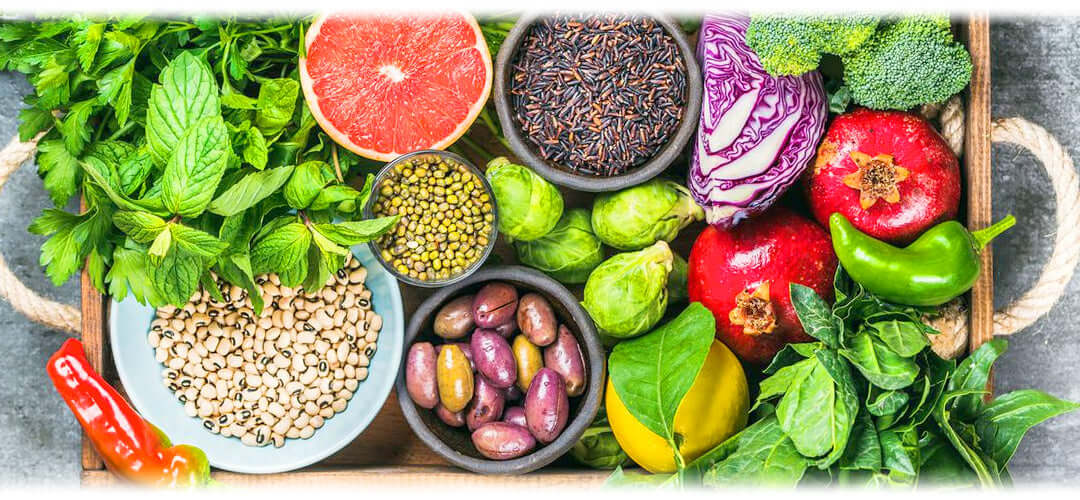
The practical pattern: different food pigments correspond to chemically distinct antioxidant compounds that operate in different tissues. Eating color variety matters more than optimizing any single source.
When Antioxidant Supplements Make Things Worse
Does high-dose vitamin E prevent heart disease?
This hypothesis looked solid in the early 1990s based on observational data. Then the HOPE trial ran 9,541 patients on 400 IU/day vitamin E for 4.5 years. Zero cardiovascular benefit. The HOPE-TOO extension found that long-term 400 IU/day was associated with a 13% higher risk of heart failure. NOW Foods Vitamin E-400 (~$12 for 100 softgels) is still shelved in the heart health section of most supplement stores. The clinical trial evidence does not support that positioning.
What about antioxidant supplements and cancer prevention?
The ATBC trial gave 29,000 male smokers beta-carotene at 20mg/day and found an 18% increase in lung cancer. The CARET trial stopped early after beta-carotene plus vitamin A increased lung cancer by 28% in smokers and asbestos-exposed workers. The SELECT trial — 35,000+ men, selenium plus vitamin E — was halted when vitamin E alone showed a trend toward increased prostate cancer risk that became statistically significant in extended follow-up.
These weren’t small pilot studies with questionable methodology. These were large, well-funded, randomized controlled trials. They ended the hypothesis that supplemental antioxidants prevent cancer in healthy populations.
Why do supplements fail when food sources seem protective?
The leading explanation is that isolated antioxidant compounds at pharmacological doses behave as pro-oxidants. They donate electrons so readily that they disrupt normal redox signaling — the cellular communication system your body uses to regulate inflammation, cell death, and immune response. Free radicals aren’t purely destructive; they’re also molecular signals. Flooding the system with concentrated antioxidants scrambles those signals in ways that can promote, rather than prevent, disease progression.
Food delivers antioxidants embedded in a matrix of fiber, minerals, and cofactors, in doses human physiology evolved to process. Isolated supplements skip all of that context.
What Specific Antioxidants Have Actually Proven
Selenium: Baseline Status Changes Everything
Selenium supplementation shows clear benefit in populations with low baseline dietary intake — roughly below 100mcg/day. In selenium-replete populations, supplementation adds no measurable benefit. Soil selenium levels vary sharply by geography: parts of the Pacific Northwest, and historically large areas of Finland, have selenium-poor soil. For most people, two Brazil nuts per day reliably covers the RDA without the precision dosing problem that comes with selenium supplements. The margin between therapeutic and toxic is narrow enough that I’d rather dose by nut than by capsule.
Lutein and Zeaxanthin: The One Clear Supplement Win
The AREDS2 trial — 4,203 participants over five years — found that 10mg lutein plus 2mg zeaxanthin reduced the risk of advanced age-related macular degeneration (AMD) by 25% in people with early or intermediate AMD. This is the strongest evidence I’ve seen for a specific antioxidant supplement in a specific disease. Jarrow Formulas Lutein 20mg (~$18 for 60 softgels) and NOW Foods Lutein 20mg (~$15) are both standardized to FloraGLO lutein, the form used in AREDS2 research. If you have AMD or strong family history, talk to an ophthalmologist first — the full AREDS2 formulation also includes specific zinc and copper ratios that matter.
For broader polyphenol supplementation — products like Thorne ResveraCel (~$62/month, combining resveratrol, NMN, and quercetin) — the mechanistic science is genuinely interesting, but long-term outcome trial data doesn’t exist yet. These might prove useful. We don’t know.
How I Actually Structure My Antioxidant Intake
I skip most of the supplement aisle. The evidence simply doesn’t support the majority of what’s sold there.
Two Brazil nuts daily. That’s the full selenium picture for me — no supplement, no accumulation risk, no precision dosing headache. It costs less per year than a single bottle of selenium capsules.
Beans at least three times a week. Black beans, kidney beans, lentils. Most people eat them rarely despite their antioxidant profile being hard to beat per dollar. A can of black beans costs under $1.50. A polyphenol supplement with comparable load runs $30–50 a month.
Cooked tomatoes over raw when I have the choice. Pasta sauce, roasted tomatoes with olive oil, tomato-based soups. The lycopene absorption difference is real and the food is better anyway.
I don’t take beta-carotene supplements. Full stop. The ATBC and CARET data are too consistent to dismiss, even for non-smokers where the risk signal is weaker.
I occasionally use Emergen-C (1,000mg per packet) when traveling — honestly more habit than hard evidence. A red bell pepper and a kiwi covers the RDA without a supplement. For ongoing high-dose vitamin C beyond 500mg, the upside evidence in healthy adults is thin, and it adds filtration burden over time.
The ATBC study that opened this article stayed with me. 29,000 people, a hypothesis that made clean biochemical sense, and the intervention made things measurably worse. That outcome is the clearest argument I know for food variety over supplement stacks: the antioxidant defense system is tightly regulated, it evolved over millions of years, and it doesn’t benefit from being overwhelmed with isolated compounds at doses food could never deliver. The most reliable approach is giving it what it expects — a wide range of colorful, minimally processed plant foods, eaten consistently — and being very selective about which supplements the clinical trial record has actually earned.
Medical Disclaimer: This content is for informational purposes only and does not constitute medical advice. Always consult a qualified healthcare professional before making health-related decisions.