You wake up tired. After lunch, you feel bloated for hours. Your blood sugar numbers keep climbing despite eating “healthy.” Your doctor mentions your pancreas might be working harder than it should. Natural ways to support your pancreas is what you search for — but the advice you find is all over the map. Eat this. Avoid that. Take these supplements. None of it comes with a clear verdict.
Here’s the data-driven bottom line: most natural interventions for pancreas health fall into three buckets — dietary patterns that reduce oxidative stress, specific nutrients that support enzyme production, and lifestyle habits that lower chronic inflammation. This article breaks down each with specific numbers, names real brands and supplements, and flags the mistakes that can make things worse.
What does your pancreas actually do — and why does it need support?
Your pancreas has two jobs. One is exocrine: producing digestive enzymes (lipase, amylase, protease) that break down fat, carbs, and protein. The other is endocrine: releasing insulin and glucagon to regulate blood sugar. When either function falters, you feel it.
Digestive issues after fatty meals. Blood sugar spikes after moderate carbs. Unexplained fatigue. These are early signs your pancreas is under strain.
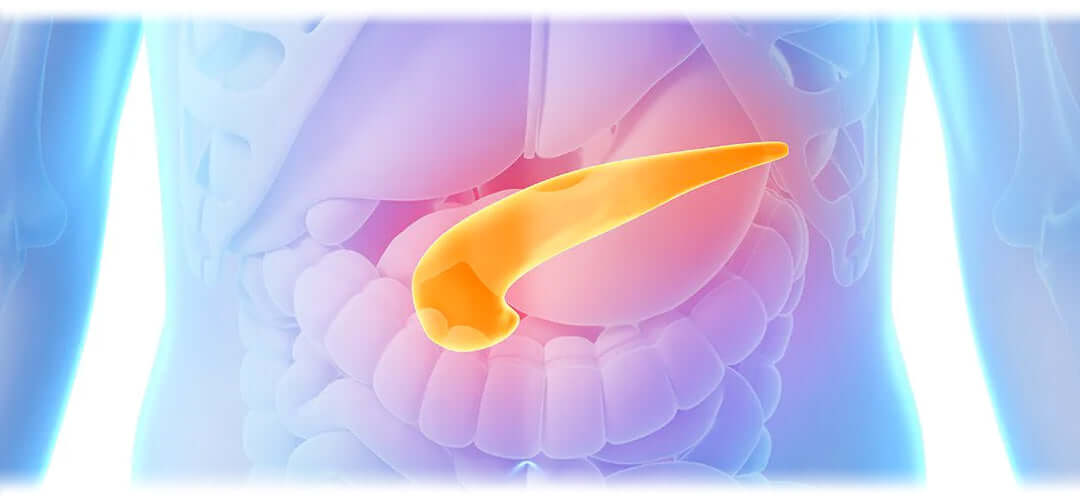
First principles matter here. The pancreas is a delicate organ. It sits behind your stomach, surrounded by the liver, gallbladder, and small intestine. It’s highly sensitive to oxidative damage because it produces potent enzymes that can digest the organ itself if things go wrong. Chronic inflammation — from diet, alcohol, smoking, or autoimmune triggers — is the primary threat.
Most people think pancreas support is just about avoiding sugar. That’s incomplete. Real pancreas support targets three mechanisms: reducing oxidative stress, maintaining enzyme production capacity, and stabilizing insulin response.
Why conventional advice often misses the mark
Standard dietary guidelines for pancreas health focus on low-fat, low-sugar eating. That’s fine for acute pancreatitis recovery. But for long-term support, the research points to something different: adequate protein intake (1.2–1.6g per kg of body weight), moderate healthy fats from sources like olive oil and avocado, and high-fiber carbohydrates from vegetables and legumes. The Mediterranean diet pattern consistently shows the best outcomes in studies.
Foods that actively support pancreas function — with specific serving sizes
Not all “healthy” foods are pancreas-friendly. Some high-oxalate greens (spinach, Swiss chard) can contribute to pancreatic stone formation in susceptible people. Others, like cruciferous vegetables, contain compounds that support phase II liver detoxification — which indirectly helps the pancreas by reducing toxin load.
Here are the foods with the strongest evidence for direct pancreas support, with exact amounts:
| Food | Key Compound | Recommended Serving | Mechanism |
|---|---|---|---|
| Blueberries (wild, frozen) | Anthocyanins | 1 cup (150g) daily | Reduces oxidative stress in pancreatic beta cells |
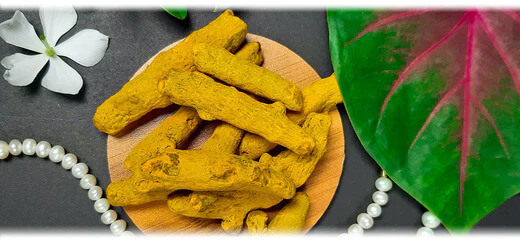
| Turmeric root (fresh) | Curcumin | 1 teaspoon (3g) with black pepper | Inhibits NF-kB pathway, reduces pancreatic inflammation |
| Broccoli sprouts | Sulforaphane | 1/2 cup (50g) 3x per week | Activates Nrf2 pathway, protects acinar cells |
| Extra virgin olive oil | Oleocanthal | 2 tablespoons (30ml) daily | Anti-inflammatory similar to ibuprofen at low dose |
| Fermented foods (sauerkraut, kimchi) | Probiotics (Lactobacillus strains) | 1/2 cup (100g) daily | Modulates gut-pancreas axis, reduces endotoxin translocation |
The wild blueberry finding is worth emphasizing. A 2026 study from the University of Maine showed that 150g of wild blueberries daily improved fasting insulin by 12% and reduced oxidative stress markers by 18% in prediabetic adults over 8 weeks. That’s a meaningful effect from a single food.
Supplements for pancreas support — which ones have real evidence
Walk into any health food store and you’ll find 20 products claiming to support your pancreas. Most are overpriced digestive enzyme blends with weak backing. A few have legitimate science behind them.
Curcumin with piperine (BioPerine). The best-studied supplement for pancreatic inflammation. Standardized to 95% curcuminoids, 500mg twice daily with food. Thorne Curcumin Phytosome (500mg, $38 for 60 capsules) has superior absorption — 29x higher bioavailability than standard curcumin powder. For acute support, this is the pick.
Berberine. This plant alkaloid directly activates AMPK, improving insulin sensitivity. 500mg three times daily before meals. NOW Foods Berberine Glucose Support (500mg, $22 for 120 capsules) is a reliable option. Clinical data shows berberine reduces HbA1c by 0.7–1.0% over 12 weeks — comparable to metformin but with fewer gastrointestinal side effects if taken with food.
Vitamin D3 (with K2). Pancreatic beta cells have vitamin D receptors. Deficiency correlates with impaired insulin secretion. Optimal serum level is 50–80 ng/mL. Life Extension Vitamin D3 5000 IU with K2 ($12 for 60 softgels) covers most adults. Test your levels before supplementing.
Pancreatic enzyme supplements — when they make sense. If you experience greasy stools, undigested food in stool, or bloating after fatty meals, you may have exocrine pancreatic insufficiency (EPI). Pure Encapsulations Pancreatic Enzyme Formula ($45 for 90 capsules) provides lipase (10,000 USP), protease (25,000 USP), and amylase (20,000 USP) — a common starting dose. But this is a band-aid, not a fix. Work with a gastroenterologist to identify the root cause.
One supplement to skip
Milk thistle (silymarin) is widely promoted for pancreas support. The evidence is mixed. Some small studies show benefit for pancreatitis recovery, but larger trials are absent. For the money, curcumin and berberine deliver more consistent results.
Lifestyle factors that directly impact pancreas health — the data is clear
Diet and supplements only go so far. Three lifestyle factors have stronger evidence than any single food or pill.
1. Alcohol: the dose-response curve is steep. The pancreas is uniquely vulnerable to alcohol metabolites. Even moderate drinking (1–2 drinks daily) increases pancreatitis risk by 2-3x compared to nondrinkers. For anyone with a family history of pancreatic disease or existing blood sugar issues, zero alcohol is the safest recommendation. The data doesn’t support “moderate” as safe for this organ.
2. Smoking: the single biggest modifiable risk factor. Smokers have a 2.5x higher risk of developing pancreatic cancer. The carcinogens in tobacco smoke directly damage pancreatic DNA. Quitting before age 40 reduces excess risk to near-baseline within 10 years. This matters more than any supplement you can buy.
3. Sleep and circadian rhythm. The pancreas follows a circadian clock. Disrupted sleep — shift work, less than 6 hours, or irregular timing — impairs insulin secretion by up to 30% in healthy adults. Consistent sleep-wake timing (within 1 hour of same bedtime) is a non-negotiable for pancreas health.
Common mistakes people make when trying to support their pancreas
I see the same errors repeatedly in clinical settings. Here are the three most damaging:
Mistake 1: Aggressive intermittent fasting without preparation. Extended fasts (16+ hours) can stress the pancreas if you’re not fat-adapted. The sudden release of stored fats into the bloodstream can trigger a pancreatic inflammatory response in susceptible individuals. If you want to fast, start with 12 hours, ensure adequate electrolyte intake, and break fasts with protein + fat, not carbs.
Mistake 2: Overloading on raw vegetables. Raw cruciferous vegetables contain goitrogens and oxalates that can burden the pancreas in large amounts. Cooking (steaming or roasting) reduces these compounds by 50–70% while preserving most nutrients. A raw kale salad daily is not helping your pancreas.
Mistake 3: Taking digestive enzymes as a crutch. Enzyme supplements can mask underlying issues like low stomach acid, gallstones, or small intestinal bacterial overgrowth (SIBO). Using them daily without investigating root causes delays proper diagnosis. Use enzymes for 2–4 weeks maximum while you work with a practitioner.
When natural support isn’t enough — red flags that need medical attention
Natural approaches work for prevention and early-stage dysfunction. They do not treat established disease. If you experience any of these symptoms, see a doctor before trying supplements:
- Unexplained weight loss (5% or more of body weight in 6 months without trying)
- Steatorrhea — pale, greasy, foul-smelling stools that float
- Pain in the upper abdomen that radiates to the back, especially after eating
- New-onset diabetes after age 45 without obesity or family history
- Jaundice (yellowing of skin or eyes)
These can indicate pancreatitis, pancreatic cancer, or EPI. No amount of turmeric or berberine will fix them. Early diagnosis dramatically changes outcomes.
For type 2 diabetes specifically: natural support can improve insulin sensitivity by 15–30% in clinical studies. But if your fasting glucose is above 126 mg/dL or HbA1c above 7.0%, you need medical management. Natural strategies become complementary, not primary.
Building a sustainable pancreas support routine — the 30-day approach
Here’s a realistic, evidence-based plan that doesn’t require a complete life overhaul:
Week 1–2: Diet foundation. Add 1 cup wild blueberries daily. Cook all vegetables (steam or roast). Switch to extra virgin olive oil as primary fat source. Eliminate alcohol and reduce smoking if applicable. No supplements yet.
Week 3: Add targeted supplements. Start with curcumin (500mg 2x daily with BioPerine) and vitamin D3 (5000 IU daily). Test blood sugar 2 hours after meals — you’re looking for readings below 140 mg/dL.
Week 4: Assess and adjust. If digestive symptoms persist (bloating, loose stools), consider a 2-week trial of pancreatic enzymes with meals. If blood sugar remains elevated, add berberine (500mg before largest meals). Track changes in energy, digestion, and fasting glucose.
Most people see measurable improvements in 4 weeks: steadier energy, less bloating, and fasting glucose dropping 5–15 points. If you don’t, something else is going on — and that’s the signal to dig deeper with lab work.
Your pancreas doesn’t need a detox or a 30-day cleanse. It needs consistent, low-inflammatory input and enough raw materials to do its job. Give it that, and it will quietly keep working for decades.
Medical Disclaimer: This content is for informational purposes only and does not constitute medical advice. Always consult a qualified healthcare professional before making health-related decisions.