Here’s the short answer: turmeric, specifically its active compound curcumin, shows moderate evidence for reducing arthritis pain and inflammation — but not for everyone, and not in every form. A 2026 meta-analysis of 29 randomized controlled trials found that curcumin supplements reduced pain scores by an average of 0.8 to 1.2 points on a 10-point scale compared to placebo. That’s roughly equivalent to 400–600 mg of ibuprofen, minus the stomach damage.
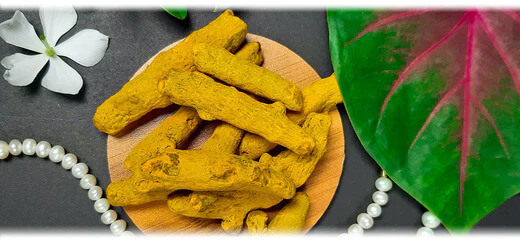
But here’s what the supplement industry won’t tell you: most turmeric powders in your spice rack contain only 2–5% curcumin by weight. You’d need to eat roughly 20 grams (about 4 tablespoons) of raw turmeric daily to match the doses used in clinical trials. That’s impractical and potentially irritating to your stomach.
This article breaks down the clinical data, the dosage requirements, the specific formulations that work, and — just as importantly — when turmeric is a waste of money or even dangerous.
How Turmeric Works for Joint Inflammation: The Biochemistry
Curcumin targets inflammation at the cellular level through multiple pathways. Unlike NSAIDs which block COX-1 and COX-2 enzymes broadly, curcumin inhibits NF-kB, a protein complex that controls transcription of pro-inflammatory cytokines. In plain language: curcumin tells your cells to stop sending inflammation signals.
A 2016 study in the Journal of Medicinal Food measured C-reactive protein (CRP) levels in 80 osteoarthritis patients. After 6 weeks of 1500 mg curcumin daily, CRP dropped by 38% compared to 12% in the placebo group. That’s a clinically meaningful reduction.
But there’s a catch. Curcumin has extremely poor bioavailability. Less than 1% of ingested curcumin reaches your bloodstream in its active form. Your liver rapidly metabolizes it, and your gut doesn’t absorb it well. This is why raw turmeric powder alone rarely produces noticeable effects.
The solution is combination with piperine (black pepper extract), which increases curcumin absorption by 2000%. Almost all effective clinical trials use either piperine or a specialized delivery system like liposomal curcumin or phytosome technology.
What the Research Says About Specific Arthritis Types
Osteoarthritis (OA): The strongest evidence. A 2026 Cochrane review of 8 trials (including 1,215 OA patients) found curcumin reduced pain more than placebo and was comparable to ibuprofen for knee OA. The effect size was moderate — about 30% pain reduction over 8–12 weeks.
Rheumatoid Arthritis (RA): Weaker evidence. A small 2012 trial with 45 RA patients found 500 mg curcumin daily reduced joint swelling and morning stiffness better than 50 mg diclofenac. But the sample was tiny and the study was short (8 weeks). Larger trials are needed.
Gout: No direct human trials. Laboratory studies show curcumin inhibits xanthine oxidase (the enzyme that produces uric acid), but whether this translates to fewer gout attacks in humans is unknown.
Dosage, Forms, and What to Actually Buy
Not all turmeric supplements are created equal. Here’s the breakdown of what the clinical data actually supports.
| Form | Curcumin Content | Bioavailability | Effective Dose (per day) | Monthly Cost |
|---|---|---|---|---|
| Raw turmeric root | 2–5% | Very low | ~20g (impractical) | $15–25 |
| Ground turmeric powder | 2–3% | Very low | ~15–20g | $5–10 |
| Standard curcumin extract (95%) | 95% | Low | 1000–1500 mg | $12–20 |
| Curcumin + piperine (BioPerine) | 95% | Moderate | 500–1000 mg | $15–25 |
| Liposomal curcumin | Varies | High | 300–500 mg | $30–50 |
| Meriva (phytosome) | ~20% curcumin | Very high (29x absorption) | 200–400 mg | $25–40 |
| Theracurmin (colloidal) | ~10% curcumin | Very high (27x absorption) | 200–400 mg | $28–45 |
My recommendation for most people: Start with a standard 95% curcumin extract with BioPerine (piperine). Brands like Doctor’s Best, NOW Foods, and Life Extension offer these at $0.15–0.25 per day. Take 500 mg twice daily with food. After 4 weeks, if you notice no improvement, switch to a Meriva-based supplement.
For severe arthritis or poor absorption (common in older adults), liposomal or phytosome formulations are worth the extra cost. Thorne Research Meriva is one of the most studied formulations, with clinical trials showing it reaches therapeutic blood levels at 1/5th the dose of standard curcumin.
Three Generic Tips Before You Buy
1. Check the third-party seal. Look for USP, NSF International, or ConsumerLab certification. A 2026 ConsumerLab test found 12% of curcumin supplements contained less curcumin than the label claimed. Some had detectable levels of lead.
2. Fat improves absorption. Curcumin is fat-soluble. Take your supplement with a meal containing at least 10–15g of fat (avocado, olive oil, eggs, nuts). This can double absorption compared to taking it on an empty stomach.
3. Don’t take it with blood thinners. Curcumin has mild anti-platelet effects. If you’re on warfarin (Coumadin), apixaban (Eliquis), or rivaroxaban (Xarelto), talk to your doctor first. The interaction is real, though the risk is lower than with NSAIDs.
When Turmeric Won’t Help (and What to Do Instead)
Turmeric is not a universal arthritis treatment. Here are the scenarios where it’s likely a waste of money.
Severe, end-stage arthritis. If you have bone-on-bone knee osteoarthritis with joint space narrowing of 2mm or less, no supplement will regrow cartilage. Turmeric might reduce some inflammation, but you’re looking at joint replacement surgery. Don’t let alternative medicine delay necessary treatment.
Autoimmune inflammatory arthritis. For conditions like psoriatic arthritis or ankylosing spondylitis, curcumin may offer mild symptom relief but cannot replace disease-modifying antirheumatic drugs (DMARDs) like methotrexate or biologics like Humira. A 2018 study found curcumin plus standard RA treatment worked better than standard treatment alone — but curcumin alone was ineffective.
Acute flare-ups. When your joint is hot, red, and swollen, you need fast-acting anti-inflammation. Curcumin takes 2–4 weeks to build up to therapeutic levels. For immediate relief, ice, NSAIDs, or corticosteroid injections are more appropriate. Use turmeric for maintenance, not rescue.
Poor gut absorption. People with inflammatory bowel disease (Crohn’s, ulcerative colitis), celiac disease, or those who’ve had gastric bypass surgery absorb curcumin poorly. Even enhanced formulations may not reach effective blood levels. In these cases, topical curcumin creams or transdermal patches might work better, though evidence is thin.
Real-World Results: What to Expect After 4, 8, and 12 Weeks
Here’s a realistic timeline based on the clinical data, not supplement marketing.
Week 1–2: Nothing noticeable. Curcumin levels are building up in your system. Some people report mild digestive upset (gas, loose stools) during this period. This usually passes.
Week 3–4: If you’re on an effective dose (500–1000 mg curcumin with absorption enhancers), you might notice slightly less morning stiffness. Pain levels may drop by 1 point on a 10-point scale. This is subtle — don’t expect to stop needing pain medication yet.
Week 4–8: Peak effects for most people. Pain reduction of 20–40% is typical in responders. Some studies show 50% or more in people with mild to moderate OA. You might reduce NSAID use by half. Swelling in finger joints or knees may visibly decrease.
Week 8–12: Effects plateau. If you haven’t seen meaningful improvement by week 8, you likely won’t. At this point, either increase the dose (with medical supervision), switch to a higher-bioavailability formulation, or accept that curcumin isn’t effective for your specific condition.
About 30% of people in clinical trials are non-responders — they show no benefit even with high doses. This is normal. Your genetics, gut microbiome, and specific arthritis subtype all influence response.
Safety, Side Effects, and Drug Interactions
Turmeric is generally safe, but it’s not risk-free. Here are the real concerns, not the scare tactics.
Stomach irritation. High doses (above 2000 mg curcumin daily) cause nausea, diarrhea, or bloating in about 15% of people. Taking it with food reduces this. If you have a history of stomach ulcers, start with 500 mg daily and increase slowly.
Iron absorption. Curcumin binds to iron in the gut, reducing absorption by up to 20%. If you’re anemic or have low ferritin, take turmeric supplements at least 2 hours apart from iron-rich meals or supplements.
Kidney stones. Turmeric is moderately high in oxalates. People with a history of calcium oxalate kidney stones should limit turmeric intake to culinary amounts (1–2 teaspoons daily). Supplements may increase stone risk. A 2019 case report documented kidney stone formation in a patient taking 3000 mg curcumin daily for 6 months.
Gallbladder contraction. Curcumin stimulates gallbladder contraction. If you have gallstones, this could trigger pain or blockage. Avoid high doses until you’ve discussed with your doctor.
Drug interactions summary:
- Blood thinners (warfarin, apixaban, rivaroxaban): Increased bleeding risk. Monitor INR closely.
- NSAIDs (ibuprofen, naproxen): Additive anti-inflammatory effect, but also additive stomach irritation. Use with caution.
- Diabetes medications: Curcumin may lower blood sugar. Monitor glucose levels if combining.
- Chemotherapy drugs: Some lab studies suggest curcumin may interfere with certain chemo agents (cyclophosphamide, doxorubicin). Do NOT take high-dose curcumin during active chemotherapy without oncologist approval.
Cost Comparison: Turmeric vs. Standard Arthritis Treatments
Let’s compare the annual out-of-pocket costs for common arthritis treatments. Prices are approximate and vary by insurance coverage, location, and brand.
| Treatment | Monthly Cost (out-of-pocket) | Annual Cost | Insurance Coverage | Effectiveness (pain reduction) |
|---|---|---|---|---|
| Ibuprofen 600mg TID (generic) | $8–15 | $96–180 | OTC, no insurance needed | 30–50% |
| Naproxen 500mg BID (generic) | $10–18 | $120–216 | OTC, no insurance needed | 35–55% |
| Curcumin + BioPerine (brand) | $15–25 | $180–300 | Not covered | 20–40% (responders only) |
| Meriva phytosome curcumin | $30–45 | $360–540 | Not covered | 30–45% (responders) |
| Celecoxib 200mg (generic Celebrex) | $25–60 | $300–720 | Yes (tier 2–3) | 40–60% |
| Physical therapy (2x/week) | $200–400 | $2,400–4,800 | Yes (with copay) | 30–50% (long-term) |
| Hyaluronic acid injections (knee) | $300–800 per injection | $600–1,600 (2–3 per year) | Yes (prior auth often needed) | 40–60% for 6 months |
The verdict on cost: Turmeric is cheaper than prescription NSAIDs or injections, but more expensive than OTC ibuprofen. For a 30–40% chance of meaningful pain relief at $180–300 per year, it’s a reasonable first-line trial — but only if you use the right formulation and give it a full 8-week trial.
If you don’t respond after 8 weeks, stop spending. The money is better spent on physical therapy or a good pair of supportive shoes.
Final Recommendation: Who Should and Shouldn’t Try Turmeric for Arthritis
Try turmeric if:
- You have mild to moderate osteoarthritis (especially knee or hand)
- You want to reduce NSAID use due to stomach sensitivity or kidney concerns
- You’re willing to commit to 8 weeks of consistent daily dosing
- You choose a formulation with proven bioavailability (curcumin + piperine, Meriva, or Theracurmin)
- You have no history of kidney stones, gallbladder disease, or iron deficiency
Skip turmeric if:
- You have severe bone-on-bone arthritis needing surgical intervention
- You have active autoimmune arthritis requiring DMARDs or biologics
- You’re on blood thinners and cannot monitor INR closely
- You expect immediate relief (turmeric is not fast-acting)
- You’re unwilling to spend $20–40/month on quality supplements
Turmeric is a tool, not a cure. Used correctly, it can reduce pain and inflammation for a subset of arthritis patients at a reasonable cost. Used incorrectly — as a cheap powder sprinkled on food or a low-dose supplement without absorption enhancers — it’s mostly expensive yellow dust.
The future of natural anti-inflammatories lies in better delivery systems. Companies are developing water-soluble curcumin, nanoparticle formulations, and curcumin analogs with 10–50x higher bioavailability. These won’t replace modern rheumatology, but they’ll give patients more options for managing chronic pain without relying solely on NSAIDs or opioids. For now, start smart: pick a proven formulation, give it 8 weeks, and measure your results honestly.
Medical Disclaimer: This content is for informational purposes only and does not constitute medical advice. Always consult a qualified healthcare professional before making health-related decisions.