
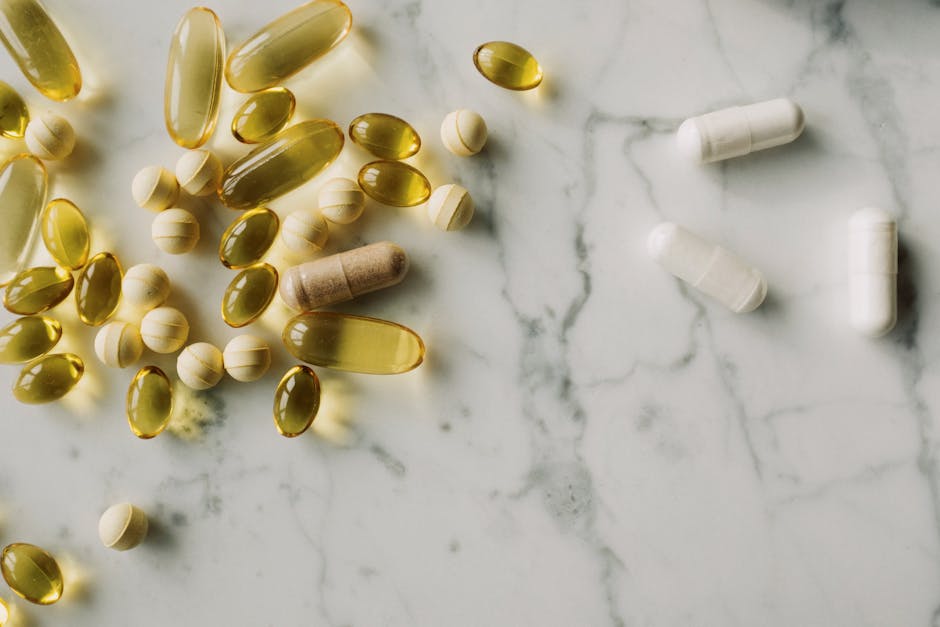
pChoosing the right supplements is less about chasing miracles and more about strategic biological investment. Think of your body as a high-yield savings account; the “deposits” you make through nutrition and movement are the principal, but the right supplements act as the compound interest that accelerates your long-term health trajectory. Navigating the supplement aisle often feels like walking through a minefield of marketing hyperbole and conflicting data. One year, a specific root extract is the holy grail of health; the next, a meta-analysis suggests it does nothing more than create expensive urine. The reality is that supplements should be viewed exactly as their name implies: a supplement to a robust foundation of sleep, movement, and nutrition. This exploration isn’t about the latest fad, but rather the evidence-backed staples that have survived the scrutiny of long-term clinical observation.
What are the foundational supplements for general health and longevity?
When we look at the broad spectrum of human health, three specific supplements consistently rise to the top because of their systemic impact. These aren’t flashy, but they address common nutritional gaps found in modern lifestyles. Vitamin D3, Omega-3 fatty acids, and Magnesium form what many researchers consider the ‘essential trio’ for those looking to optimize their biological baseline.
Vitamin D3 and K2 Synergy
Vitamin D is technically a pro-hormone rather than a vitamin, influencing over 1,000 different genes in the human body. Despite its importance for immune function and bone density, a significant portion of the population remains sub-optimal, especially those living in northern latitudes or working indoors. When choosing a supplement, the pairing with Vitamin K2 is non-negotiable. K2 acts as a traffic cop for calcium, ensuring it goes into the bones and teeth rather than depositing in the arteries. A high-quality option like Thorne Vitamin D/K2 Liquid (approx. $30) provides a clean delivery system. Specs: 1,000 IU of D3 and 200 mcg of K2 (as MK-4) per drop. Pros: Exceptional purity, easy to dose for children or adults, and highly bioavailable. Cons: The glass dropper bottle is fragile for travel and requires careful upright storage to prevent leaking.
Omega-3 Fatty Acids (EPA/DHA)
The inflammatory profile of the modern diet is heavily skewed toward Omega-6. Supplementing with high-quality fish oil helps rebalance this ratio, supporting cardiovascular health and brain structure. Look for products that specify the amount of EPA and DHA rather than just ‘total fish oil.’ Life Extension Super Omega-3 (approx. $24) is a solid choice because it includes olive polyphenols and sesame lignans to prevent the delicate oils from oxidizing. Specs: 700mg EPA and 500mg DHA per serving. Pros: IFOS 5-star rating for purity, enteric coating to reduce “fish burps,” and added antioxidants. Cons: The softgels are quite large, which may be a deterrent for those with a sensitive gag reflex.
Which supplements actually improve cognitive function and focus?

The search for ‘limitless’ pills often leads people toward gray-market stimulants, but the most effective cognitive enhancers are often the ones that support cellular energy and neurotransmitter balance. Cognitive health isn’t just about being ‘on’ for a work session; it’s about neuroprotection and the long-term maintenance of brain tissue.
Creatine Monohydrate: Not Just for Bodybuilders
Creatine is perhaps the most researched supplement in history. While it is famous for increasing power output in the gym, recent research has pivoted toward its profound effects on brain health. The brain is an energy-hungry organ, and creatine helps replenish ATP (adenosine triphosphate) during periods of high mental demand. Nutricost Creatine Monohydrate (approx. $25 for 500g) is an industry standard. Specs: 5g of micronized creatine per scoop. Pros: Incredible cost-effectiveness, zero additives, and dissolves easily in water. Cons: Requires consistent daily intake (3-5g) to maintain muscle and brain saturation, and some users report mild bloating if they do not increase their daily water intake.
L-Theanine for Balanced Focus
If you consume caffeine, L-Theanine is its perfect pharmacological partner. Found naturally in green tea, this amino acid promotes relaxation without sedation. It smooths out the ‘jitters’ associated with coffee by modulating alpha brain waves. This leads to a state of calm alertness, often referred to as “flow.” NOW Foods L-Theanine 200mg (approx. $15) is widely available at major retailers like Boots. Specs: 200mg of L-Theanine plus 100mg of Inositol. Pros: Rapid onset (usually within 30 minutes) and very affordable. Cons: The effects are subtle; those looking for a powerful “kick” or stimulant-like effect will be disappointed by its gentle nature.
How do you choose high-quality supplements without overspending?
The supplement industry is notoriously under-regulated. A ‘proprietary blend’ is often a red flag used to hide under-dosed ingredients. To ensure you are getting what you pay for, look for third-party certifications like NSF Certified for Sport or Informed Choice. These organizations verify that the label matches the contents and that there are no harmful contaminants like heavy metals or banned substances.
| Brand | Certification | Best For | Price Range | Sample Product Price |
|---|---|---|---|---|
| Thorne | NSF Certified for Sport | Clinical Purity | Premium ($$$) | $30 – $60 |
| NOW Foods | UL / GMP | Budget-Friendly Basics | Economy ($) | $10 – $25 |
| Pure Encapsulations | Third-party tested | Hypoallergenic Formulas | Mid-Range ($$) | $25 – $45 |
| Life Extension | GMP / Non-GMO | Innovative Longevity | Mid-Range ($$) | $20 – $40 |
Budgeting for health is a long-term investment. Many savvy consumers use rewards-based credit cards or finance tracking apps to manage these recurring costs. Retailers like Boots often offer loyalty points or subscription discounts that can shave 10-15% off the monthly cost. If you’re managing your finances via apps offered by major telecom or banking providers, you can often track these recurring ‘wellness’ expenses to see where your money is going. It is often better to buy three high-quality, essential supplements than ten cheap, questionable ones.
What are the best supplements for sleep and recovery?

Recovery is the most overlooked aspect of performance. You don’t get stronger in the gym; you get stronger while you sleep. However, the modern environment—filled with blue light and high cortisol—makes deep, restorative sleep difficult to achieve. Supplements in this category should focus on down-regulating the nervous system rather than knocking you out like a sedative.
Magnesium Bisglycinate
Unlike magnesium oxide, which mostly acts as a laxative, the bisglycinate form is highly bioavailable and bound to the amino acid glycine, which itself has calming effects on the brain. It helps regulate the body’s stress response and supports muscle relaxation. Pure Encapsulations Magnesium (Glycinate) (approx. $28) is a gold standard here. Specs: 120mg per capsule. Pros: Extremely gentle on the stomach and highly absorbable. Cons: You may need to take 2-4 capsules to reach a therapeutic dose of 400mg, making it more expensive per dose than other forms.
Apigenin
Apigenin is a bioflavonoid extracted from chamomile. It has gained popularity recently for its ability to bind to GABA receptors in the brain, gently signaling that it is time to wind down. Unlike melatonin, it doesn’t interfere with your body’s natural hormone production. Swanson Apigenin (approx. $12) is an affordable way to test this. Specs: 50mg per capsule. Pros: Very gentle and non-habit forming. Cons: Research on long-term isolated supplementation is still growing compared to more established minerals like magnesium.
Which vitamins and minerals are most commonly deficient in modern diets?
Even with a ‘perfect’ diet, soil depletion and food processing can leave gaps in our micronutrient intake. Identifying these gaps usually requires blood work, but statistical data shows common trends in deficiency that correlate with specific health complaints like fatigue or poor immune response.
- Zinc: Essential for immune function and testosterone production. Many people lose zinc through sweat, making it vital for active individuals. Thorne Zinc Picolinate (approx. $18) is highly absorbable. Pros: Picolinate form is superior to gluconate for absorption. Cons: Can cause nausea if taken on an empty stomach.
- Vitamin B12: Particularly critical for vegans and vegetarians, as it is primarily found in animal products. B12 is essential for nerve tissue health and red blood cell production. Look for the “Methylcobalamin” form for better retention.
- Iron: Often deficient in women of childbearing age. However, iron should never be supplemented without a blood test, as excess iron is oxidative and harmful to the liver and heart.
The trade-off with multi-vitamins is that they often contain ‘a little bit of everything’ but not enough of anything to fix a true deficiency. If you suspect a gap, targeted supplementation is almost always superior to a shotgun approach. Using a fitness tracking app, which you can access through a high-speed data plan from a provider like EE or O2, can help you log your symptoms and see if they correlate with your supplement consistency and dosage changes.
Investing in your health through targeted supplementation is a marathon, not a sprint. The goal is marginal gains that compound over decades, not an overnight transformation.
Maximizing Your Investment: Common Supplementation Mistakes

Even with the best products, many people fail to see results because of poor execution. One of the most common mistakes is the “stop and start” cycle. Most supplements, especially fat-soluble vitamins and creatine, require weeks of consistent intake to reach steady-state levels in the blood and tissues. Setting a recurring reminder on your phone or using a habit-tracking app is essential for success.
Another pitfall is ignoring the “interference effect.” For example, taking a high-dose calcium supplement at the same time as an iron supplement can block the iron’s absorption by up to 50%. Similarly, drinking coffee immediately after taking your B-vitamins can act as a diuretic, flushing the water-soluble nutrients out of your system before they can be fully utilized. To get the best ROI on your wellness spend, separate your minerals and take your vitamins with whole-food meals.
How do lifestyle factors influence supplement efficacy?
The most expensive supplement in the world is worthless if it isn’t absorbed. Bioavailability is influenced by when you take the supplement and what you take it with. Fat-soluble vitamins (A, D, E, K) and Omega-3s must be taken with a meal containing fat. If you take your Vitamin D on an empty stomach with just a glass of water, you are likely wasting a significant portion of the dose.
Finally, consider the role of gut health. If your digestive system is inflamed, your ability to move nutrients from the small intestine into the bloodstream is compromised. This is why many people find that a high-quality probiotic or simply increasing fiber intake makes their other supplements ‘work’ better. It isn’t that the supplement changed, but that the host’s ability to utilize it improved. Always prioritize whole foods as the primary delivery mechanism; the capsules are there to fill the remaining 5-10% of the gap. By focusing on quality sourcing, proper timing, and foundational nutrients like Vitamin D, Magnesium, and Creatine, you can build a protocol that supports both your current performance and your future longevity.