
Choosing the best protein powder grass fed options requires looking past the front of the tub and examining the specific certifications that verify how the cattle were raised. If you want the most effective and clean supplement, the primary recommendation is to prioritize products with Truly Grass-Fed or American Grassfed Association (AGA) certifications. These labels ensure the cows spent at least 95% of their time on pasture and were not finished on grains, which preserves the superior nutrient profile—specifically the higher levels of Conjugated Linoleic Acid (CLA) and Omega-3 fatty acids—that makes grass-fed whey worth the premium price. For those seeking a specific recommendation, Transparent Labs Grass-Fed Whey Isolate remains the gold standard for purity, while Legion Whey+ offers the best balance of flavor and ethical sourcing.
What makes a protein powder truly grass-fed and why does it matter?
The term “grass-fed” is frequently used as a marketing tool rather than a strict dietary definition. In the United States and many other regions, there is a significant loophole: cattle can be raised on pasture for the majority of their lives but then “finished” on a diet of corn and soy in a feedlot to increase weight quickly. This transition to grain-finishing drastically alters the fatty acid profile of the milk used to create whey protein. A true grass-fed protein powder comes from cows that have grazed on open pastures year-round, or are fed harvested grass/silage during winter months, with no grain supplementation.
From a nutritional standpoint, the difference is measurable. Research indicates that milk from grass-fed cows contains up to five times as much CLA as milk from grain-fed cows. CLA is a polyunsaturated fatty acid that has been linked in various studies to improved metabolic health and a reduction in systemic inflammation. Furthermore, the ratio of Omega-6 to Omega-3 fatty acids is much more favorable in grass-fed dairy. While standard dairy often has a ratio of 4:1 or higher, grass-fed dairy often approaches a 1:1 ratio, which is ideal for maintaining a balanced inflammatory response in the body. When you are consuming protein daily, these marginal gains in nutrient density accumulate.
Beyond the fatty acids, grass-fed whey often contains higher concentrations of naturally occurring immunoglobulins and lactoferrin. These bioactive peptides support the immune system and gut health. However, these benefits are only preserved if the protein is processed correctly. If a brand uses high-heat pasteurization or acid-based ion-exchange filtration, many of these delicate subfractions are destroyed. Therefore, the “grass-fed” label is only one half of the equation; the processing method is the other.
Analysis of the top grass-fed protein powders for 2024

When evaluating the market, we looked for brands that provide transparency in their sourcing and utilize cold-processing techniques. The following products represent the intersection of high protein quality, ethical farming, and clean ingredient lists. These can be found at major retailers or through specialized health outlets often available via retail partners like those found on Awin-supported platforms.
Transparent Labs Grass-Fed Whey Isolate
Transparent Labs has built a reputation on total transparency. Their whey isolate is sourced from 100% grass-fed cattle in New Zealand, a country known for its strict agricultural standards and year-round grazing. This product is a pure isolate, meaning it has undergone extensive filtration to remove almost all lactose, fat, and carbohydrates.
- Price: Approximately $59.99 per 2lb tub.
- Protein Content: 28g per scoop.
- Pros: Extremely high protein-to-weight ratio; no artificial sweeteners or dyes; third-party tested for heavy metals.
- Cons: Higher price point per serving compared to concentrates; limited flavor profile for those who prefer dessert-like shakes.
Legion Whey+ Isolate
Legion uses Truly Grass-Fed certified milk from small family farms in Ireland. This certification is one of the most rigorous in the world, requiring that cows get 95% of their diet from grass and spend a minimum of 250 days a year on pasture. Legion is also known for its extensive flavor variety without using artificial chemicals.
- Price: Approximately $59.99 per 30-serving container.
- Protein Content: 22g to 24g per scoop depending on flavor.
- Pros: Excellent taste and mixability; Truly Grass-Fed certified; uses stevia for sweetening.
- Cons: Some users find the stevia aftertaste too strong; slightly lower protein per gram of powder than Transparent Labs.
Naked Whey (Concentrate)
For those who want the least processed option possible, Naked Whey offers a concentrate rather than an isolate. While isolates are higher in protein, concentrates retain more of the beneficial growth factors and immunoglobulins. This is sourced from small dairy farms in Northern California and contains only one ingredient: grass-fed whey protein.
- Price: Approximately $94.99 for a 5lb bulk container.
- Protein Content: 25g per scoop.
- Pros: No additives whatsoever; excellent value when bought in bulk; high in bioactive subfractions.
- Cons: Contains more lactose, which may cause bloating in sensitive individuals; unflavored version has a distinct “earthy” dairy taste.
| Product Name | Source Region | Protein per Serving | Main Benefit |
|---|---|---|---|
| Transparent Labs | New Zealand | 28g | Highest purity isolate |
| Legion Whey+ | Ireland | 22-24g | Best flavor variety |
| Naked Whey | USA (California) | 25g | Zero additives |
| Garden of Life Sport | Ireland | 24g | NSF Certified for Sport |
Processing methods: Why cold-processed whey is superior
The efficacy of a grass-fed protein powder is largely determined by how the whey is separated from the milk. Most mass-market protein brands use a process called ion-exchange. This involves using chemical reagents and heat to adjust the pH levels and separate the protein. While this results in a very high protein percentage, the process denatures the protein. Denaturation changes the physical structure of the amino acids and destroys the delicate immune-boosting components like lactoferrin and bovine serum albumin.
Deep researchers into nutrition prioritize Cross-Flow Microfiltration (CFM). This is a non-chemical, cold-processing method that uses ceramic filters to remove fat and lactose. Because no high heat or harsh acids are used, the protein remains “undenatured.” This means your body receives the protein in its most bioavailable form. When you see a label that mentions “cold-processed” or “micro-filtered,” it is a strong indicator of a higher-quality manufacturing process that respects the raw material.
Furthermore, the absence of hexane and other chemical solvents is a significant factor for those following a clean lifestyle. Many plant-based proteins use hexane for extraction, but high-quality grass-fed whey relies solely on mechanical filtration. This results in a cleaner end product with a superior amino acid profile, particularly regarding branched-chain amino acids (BCAAs) like Leucine, which is the primary driver of muscle protein synthesis.
The biological value (BV) of undenatured whey protein is among the highest of any food source, often cited at 104, compared to 100 for whole eggs and 74 for soy. This makes it an incredibly efficient tool for muscle recovery.
How to identify greenwashing in grass-fed supplement labeling

As the demand for clean supplements grows, so does the prevalence of deceptive marketing. To ensure you are actually getting the best protein powder grass fed, you must look beyond the bold claims on the front of the packaging. One common tactic is for brands to use “grass-fed” in the product name while the ingredients list reveals that the whey is a blend of grass-fed and conventional grain-fed protein. If the label does not explicitly state “100% Grass-Fed,” there is a high probability it is a blend.
Another red flag is the lack of third-party testing. High-quality brands will often display a seal from Informed Choice, NSF Certified for Sport, or the Clean Label Project. These organizations test for heavy metals (like lead, arsenic, and cadmium) which can sometimes accumulate in dairy products depending on the soil the cows graze on. A brand that is proud of its sourcing will provide a Certificate of Analysis (CoA) upon request, detailing the exact purity levels of the batch you purchased.
Finally, consider the additive list. A truly premium grass-fed whey shouldn’t need to hide behind artificial flavors, sucralose, or acesulfame potassium. Look for natural sweeteners like stevia or monk fruit, and thickeners like guar gum or sunflower lecithin rather than soy lecithin. The presence of soy lecithin is often a sign of cost-cutting, as sunflower lecithin is a more expensive, non-GMO alternative that serves the same purpose of helping the powder dissolve in water.
The environmental and ethical impact of grass-fed dairy
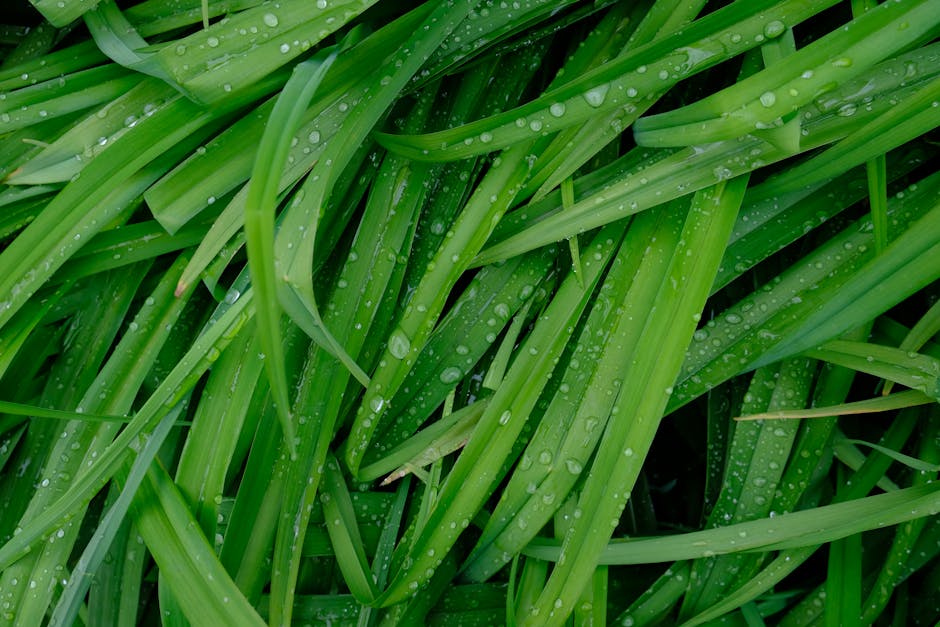
Choosing grass-fed protein is as much a lifestyle and ethical choice as it is a nutritional one. Conventional dairy farming often relies on Concentrated Animal Feeding Operations (CAFOs), which are associated with significant environmental degradation and poor animal welfare. In contrast, grass-fed systems—particularly those utilizing regenerative grazing practices—can actually help sequester carbon in the soil. When cows graze on pasture, their waste acts as a natural fertilizer, promoting the growth of diverse plant species and improving soil health.
From an animal welfare perspective, the difference is night and day. Cows are ruminants, biologically designed to ferment and digest grass. Feeding them a diet high in grains (corn and soy) shifts the pH of their stomachs, often leading to metabolic acidosis and a higher reliance on antibiotics to prevent infections. Grass-fed cows typically lead longer, healthier lives with much lower rates of disease. By choosing a certified grass-fed protein, you are supporting a supply chain that prioritizes these higher standards of care.
For the consumer, this translates to a product that is free from rBGH (recombinant bovine growth hormone) and prophylactic antibiotics. While many countries have banned these substances, they are still present in some global supply chains. Grass-fed certifications almost universally prohibit the use of these hormones, providing an extra layer of safety for the health-conscious individual. It is an investment in both personal longevity and the sustainability of the agricultural system.
Practical tips for using grass-fed whey
- Don’t overheat: To preserve the undenatured proteins, avoid mixing your grass-fed whey into boiling liquids. If making protein coffee, let the liquid cool slightly before stirring in the powder.
- Check the leucine: For muscle growth, ensure your serving provides at least 2.5g of Leucine. Most high-quality grass-fed isolates will hit this mark naturally.
- Digestive health: If you have minor dairy sensitivities, opt for an isolate. The microfiltration process removes most of the lactose that causes bloating.
- Storage: Keep your protein in a cool, dry place. Grass-fed whey contains more delicate fats (like CLA) that can oxidize if left in a hot car or direct sunlight for extended periods.