
Forget the quick fix; supplements are tools, not solutions, for cholesterol management. Before you even think about pills, understand this: your diet, exercise routine, and overall lifestyle are the most powerful levers you have. Supplements merely support these foundational efforts. They don’t replace them. Your primary goal is always to build a robust, heart-healthy daily routine. Once that’s in place, you can look at specific supplements to give you an extra edge, but never as a standalone strategy. This practical guide cuts through the noise, detailing exactly which supplements offer genuine benefits and how to use them effectively.
The Foundation: Why Supplements Aren’t Your First Step
It’s tempting to seek a simple pill for a complex problem like high cholesterol, but that approach misses the point entirely. Your body’s lipid profile is a direct reflection of your daily habits. Addressing these habits first provides the most significant, sustainable impact. Consider this your baseline, the non-negotiable groundwork that makes any supplement regimen actually effective. Skipping this step means you’re building on sand.
The Diet You Need
Prioritize whole foods. Start with soluble fiber, found abundantly in oats, barley, beans, lentils, apples, and citrus fruits. This fiber binds to cholesterol in your digestive tract, preventing its absorption and aiding in its excretion. Aim for 25-35 grams of fiber daily. Focus on healthy fats, too. Avocados, nuts (almonds, walnuts), seeds (chia, flax), and olive oil are rich in monounsaturated and polyunsaturated fats, which can help lower LDL (bad) cholesterol. Limit saturated fats, common in red meat and full-fat dairy, and eliminate trans fats, often found in processed foods. Reduce refined sugars and processed carbohydrates, as these can significantly impact triglyceride levels. Adopting a Mediterranean-style eating pattern, rich in vegetables, fruits, whole grains, and lean proteins like fish, has consistently shown to improve lipid profiles.
The Exercise Impact
Regular physical activity is non-negotiable. Aim for at least 150 minutes of moderate-intensity aerobic exercise, such as brisk walking, jogging, cycling, or swimming, each week. Break it down into 30-minute sessions, five days a week. Additionally, incorporate strength training exercises at least twice a week. Exercise helps lower LDL cholesterol, raises HDL (good) cholesterol, and reduces triglycerides. It also plays a critical role in weight management, which directly impacts your cholesterol levels. Even short, consistent bursts of activity throughout your day, like taking the stairs instead of the elevator, add up over time.
Lifestyle Adjustments
Beyond diet and exercise, other lifestyle factors weigh heavily on your cholesterol. Maintaining a healthy weight is crucial; even a modest weight loss can significantly improve your lipid profile. If you smoke, quitting is arguably the single most impactful step you can take for your heart health. Smoking damages blood vessels and lowers HDL cholesterol. Alcohol consumption should be moderate, if at all. For women, this means up to one drink per day; for men, up to two. Excessive alcohol intake can raise triglyceride levels. Stress management techniques like meditation, yoga, or spending time in nature can also indirectly support heart health by reducing the physiological toll of chronic stress.
Essential Supplements: The Core Three Backed by Science
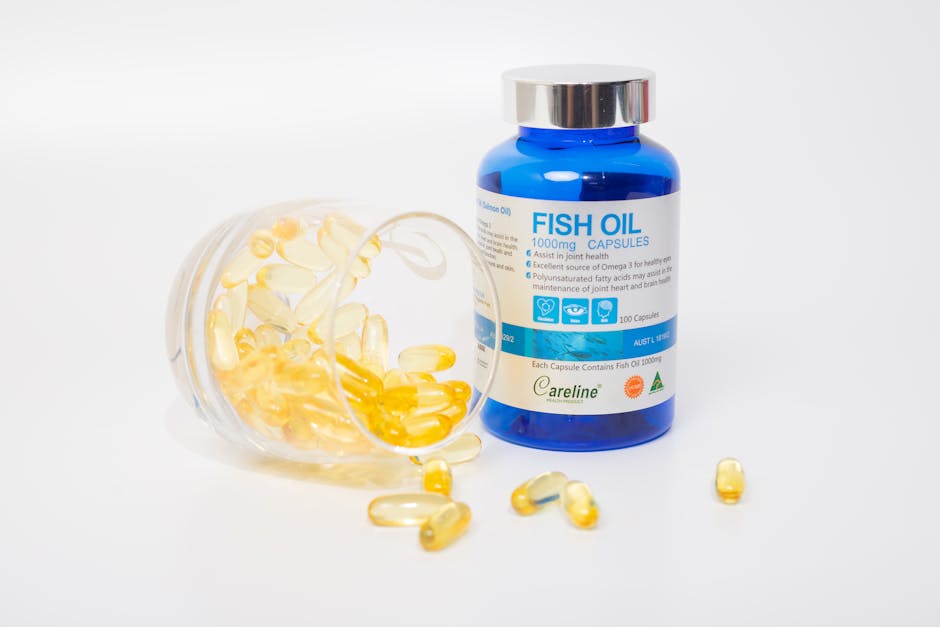
Once your lifestyle is dialed in, certain supplements can provide measurable benefits for cholesterol management. These aren’t magic pills, but they do offer scientifically supported mechanisms to help optimize your lipid levels. Focus on these three as your starting point, known for their effectiveness and relatively well-understood safety profiles.
-
Red Yeast Rice (RYR)
Red Yeast Rice is a traditional Chinese fermented rice product. It contains naturally occurring compounds called monacolins, specifically monacolin K, which is structurally identical to the active ingredient in the prescription statin drug lovastatin. This means it works by inhibiting an enzyme in the liver responsible for cholesterol production. It’s one of the most studied natural supplements for cholesterol.
- Dosage and Form: Typical dosages range from 600 mg to 1200 mg, taken two to four times daily. The most important factor is ensuring the product has been tested for citrinin, a potentially toxic byproduct of the fermentation process. Look for reputable brands that provide third-party testing, such as Nature’s Way or Jarrow Formulas, which often detail their quality control processes.
- Known Benefits: Clinical studies consistently show Red Yeast Rice can significantly lower LDL (bad) cholesterol and total cholesterol levels. Some research also suggests it can have a modest positive effect on triglyceride levels. Its mechanism of action is very similar to prescription statins, making it potent.
- Important Considerations: Because of its statin-like effects, Red Yeast Rice should never be taken with prescription statin medications without strict medical supervision, as this can lead to an overdose and severe side effects. It’s also not recommended for pregnant or nursing individuals, or those with liver disease. Muscle pain (myopathy) is a potential side effect, similar to statins.
-
Plant Sterols and Stanols
Plant sterols (or phytosterols) and stanols are compounds found naturally in plant cell membranes. Structurally similar to cholesterol, they compete with dietary cholesterol for absorption in the gut. When consumed, they effectively block a portion of the cholesterol from being absorbed into your bloodstream, leading to lower LDL levels.
- Dosage and Form: For effective cholesterol lowering, aim for 2-3 grams of plant sterols or stanols per day. They are often found in fortified foods like certain margarines (e.g., Benecol, Take Control), yogurts, and orange juice. You can also find them in supplement form. Taking them with meals is crucial, as they work best when consumed alongside dietary cholesterol.
- Known Benefits: Regular intake of plant sterols/stanols can reduce LDL cholesterol by 5-15% without affecting HDL cholesterol. This effect is independent of dietary fat intake, meaning they work even if your diet is otherwise high in cholesterol.
- Best Use Cases: These are particularly effective for individuals looking for a moderate reduction in LDL, especially if they prefer incorporating them into their diet through fortified foods. They have an excellent safety profile and are generally well-tolerated.
-
Psyllium Fiber
Psyllium is a type of soluble fiber derived from the seeds of the Plantago ovata plant. When mixed with water, it forms a viscous gel in the digestive tract. This gel then binds to dietary cholesterol and bile acids, preventing their reabsorption and promoting their excretion. Your body then uses more cholesterol to make new bile acids, which further reduces circulating cholesterol levels.
- Dosage and Form: A typical effective dose is 5-10 grams, taken two to three times daily. It’s usually available as a powder (e.g., Metamucil) that you mix into water or juice, or as capsules. Always start with a lower dose and gradually increase it to allow your digestive system to adjust.
- Known Benefits: Psyllium fiber is highly effective at lowering LDL cholesterol. Studies show it can reduce LDL by 5-10%. Beyond cholesterol, it promotes regularity, aids in blood sugar control, and contributes to satiety, which can help with weight management.
- Hydration is Key: Because of its gel-forming properties, it is absolutely critical to drink plenty of water (at least 8 ounces with each dose, and ample fluids throughout the day) when taking psyllium to prevent constipation or choking. Take it at a different time than other medications or supplements, as it can interfere with their absorption.
Beyond the Basics: Other Promising Options
While the core three supplements offer significant benefits, several other options show promise for cholesterol management. These often target different aspects of lipid metabolism or are more effective for specific lipid imbalances. Understanding their mechanisms and appropriate use is key.
Does Niacin Really Help?
Niacin, also known as Vitamin B3, has a long history of use in lipid management. At high, pharmacological doses (far exceeding the amount found in multivitamins), it can significantly alter lipid profiles. Specifically, niacin can lower LDL cholesterol, reduce triglycerides, and notably increase HDL (good) cholesterol. However, the effective doses typically range from 1000 mg to 3000 mg per day, which often comes with a common side effect known as the “niacin flush” — a temporary redness, warmth, itching, or tingling of the skin. Sustained-release forms (like those from Nature’s Own) are designed to reduce this flush, but they carry a higher risk of liver toxicity. Because of these side effects and potential for interactions, niacin should only be used under strict medical supervision and is usually reserved for individuals who cannot tolerate statins or have specific lipid abnormalities.
Are Omega-3s Effective for All?
Omega-3 fatty acids, specifically EPA (eicosapentaenoic acid) and DHA (docosahexaenoic acid) found in fish oil, are well-known for their cardiovascular benefits. Their primary strength in lipid management lies in significantly lowering high triglyceride levels. For individuals with very high triglycerides (above 500 mg/dL), prescription-grade omega-3 supplements are often recommended. However, their impact on LDL cholesterol is more modest and can sometimes even cause a slight increase in LDL in some individuals, particularly at very high doses. Reputable brands like Nordic Naturals or Carlson Labs offer high-quality fish oil supplements. If your primary concern is high triglycerides, an omega-3 supplement delivering 2-4 grams of combined EPA/DHA daily can be very effective. If your main issue is high LDL, other supplements may be more targeted.
What About Bergamot Extract?
Citrus bergamot, a fruit primarily grown in Southern Italy, has gained attention for its potential lipid-lowering properties. Extracts from this fruit, rich in unique polyphenolic compounds, are thought to work by inhibiting cholesterol synthesis in the liver and increasing LDL receptor activity, which helps clear LDL from the bloodstream. Preliminary human studies suggest that bergamot extract can lower LDL cholesterol, reduce triglycerides, and even increase HDL cholesterol. Typical dosages for supplements, such as Jarrow Formulas Citrus Bergamot, range from 500 mg to 1500 mg daily. While promising, more large-scale, long-term human studies are needed to fully confirm its efficacy and ideal dosage. It’s often considered a complementary option for those looking for additional support beyond the more established supplements.
Choosing Your Supplement: A Quick Reference

Selecting the right supplement means understanding its primary mechanism and aligning it with your specific cholesterol challenges. This table offers a concise overview to help you differentiate between the most effective options available in 2026.
| Supplement | Primary Action | Recommended Dosage Range | Key Consideration |
|---|---|---|---|
| Red Yeast Rice | Inhibits cholesterol synthesis | 600-2400 mg/day | Avoid if on statins, check for citrinin |
| Plant Sterols/Stanols | Blocks cholesterol absorption | 2-3 grams/day | Take with meals, available in fortified foods |
| Psyllium Fiber | Binds to cholesterol in gut | 5-10 grams, 2-3x daily | Requires high water intake, take separately from meds |
| Niacin (Vitamin B3) | Lowers LDL, raises HDL | 1000-3000 mg/day | Requires medical supervision, “flush” side effect |
| Omega-3 Fatty Acids | Mainly lowers triglycerides | 2-4 grams EPA/DHA daily | Limited LDL impact, choose high-quality brands |
| Bergamot Extract | Modulates lipid metabolism | 500-1500 mg/day | Promising, but more research ongoing |
Use this table as a starting point for discussions with your healthcare provider, matching potential supplements to your unique health profile and goals.
Navigating Risks and Interactions
Even natural supplements carry risks. Ignoring these can turn a helpful tool into a harmful one. Always approach new supplements with caution, prioritizing your safety and overall health. Understanding potential side effects and drug interactions is a critical part of integrating any supplement into your routine.
Consult Your Doctor First
This is non-negotiable. Before starting any new supplement regimen, especially for a serious health condition like high cholesterol, talk to your doctor. They can provide personalized advice based on your current health status, existing medical conditions, and any prescription medications you’re already taking. Your doctor can also monitor your cholesterol levels and liver function to ensure the supplements are working effectively and safely. Self-prescribing can lead to unforeseen complications or interactions that undermine your overall health strategy.
Common Side Effects to Monitor
Different supplements have different side effect profiles. Psyllium fiber, while generally safe, can cause bloating, gas, or constipation if not taken with enough water. Niacin is notorious for the “niacin flush,” a temporary but uncomfortable sensation of warmth, itching, and redness. Red Yeast Rice, due to its statin-like action, can cause muscle pain, liver enzyme elevations, and in rare cases, more severe muscle damage (rhabdomyolysis). Omega-3 fatty acids might lead to fishy burps, indigestion, or loose stools, especially at higher doses. Pay close attention to how your body reacts and report any unusual symptoms to your doctor immediately.
Drug Interaction Warnings
Supplements can interact with prescription medications, sometimes with serious consequences. For instance, Red Yeast Rice should never be combined with statin drugs, as this significantly increases the risk of muscle and liver damage. Niacin can interact with blood pressure medications, potentially causing low blood pressure, or with other cholesterol-lowering drugs. High doses of omega-3 fatty acids can have blood-thinning effects and should be used cautiously by individuals taking anticoagulant medications like warfarin or aspirin. Plant sterols are generally safe but may slightly reduce the absorption of fat-soluble vitamins, although this is typically not clinically significant with a balanced diet. Always inform your doctor about all supplements you are taking to avoid dangerous interactions.
Your Personalized Plan: Next Steps
Taking charge of your cholesterol means more than just popping a pill. Start with your diet and exercise, then strategically introduce supplements under medical guidance. Your journey to better heart health is a marathon, not a sprint, built on consistent, informed choices that prioritize safety and efficacy above all else. This methodical approach is the most reliable path to achieving and maintaining healthy cholesterol levels.