
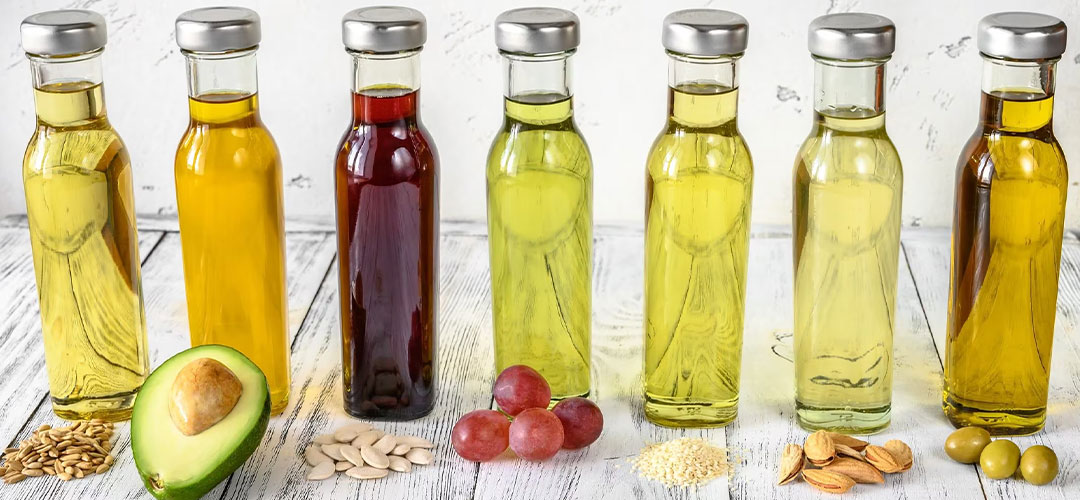
In recent years, cooking oils have become a hot topic.
Scroll through social media and you’ll find heated debates about seed oils, with some claiming they’re harmful and others praising their nutritional benefits.
So, what’s the truth? Which oils are actually good for you, and which should you limit or avoid?
Understanding the differences between various oils, from olive and avocado to sunflower and flaxseed, can help you make informed, healthy choices in your kitchen.
Why the Right Oil Matters
Cooking oil isn’t just about flavour or texture, it plays a major role in your health. Oils are concentrated sources of dietary fat, and the type of fat they contain can influence everything from heart and brain function to inflammation and hormone balance.
The healthiest oils are minimally processed, cold-pressed, and rich in unsaturated fats, especially monounsaturated and polyunsaturated fatty acids. These support cardiovascular health, help maintain normal cholesterol levels, and provide essential fatty acids that the body can’t make on its own.
Seed Oils: Myths vs. Facts
Seed oils (such as sunflower, rapeseed, soybean, and grapeseed oils) have been criticised for being “toxic” or “inflammatory,” but the reality is more nuanced. The concern stems from the fact that many industrial seed oils are highly refined, which involves heat and chemical extraction that can degrade delicate fatty acids. This process may create small amounts of compounds like trans fats or oxidised oils, which aren’t ideal for health when consumed in large amounts.
However, when used in moderation, especially in their cold-pressed or unrefined forms, seed oils can be perfectly healthy. They’re rich in omega-6 fatty acids, which are essential for human health, but need to be balanced with omega-3s (found in flaxseed, chia, and oily fish) to maintain a healthy ratio.
The key takeaway? It’s not about banning seed oils entirely, but about choosing the right types and using them correctly.
The Healthiest Oils for Different Types of Cooking
Different oils have different smoke points, the temperature at which they start to break down and lose their nutritional value. Using the right oil for the right purpose helps preserve its goodness and prevent harmful oxidation.
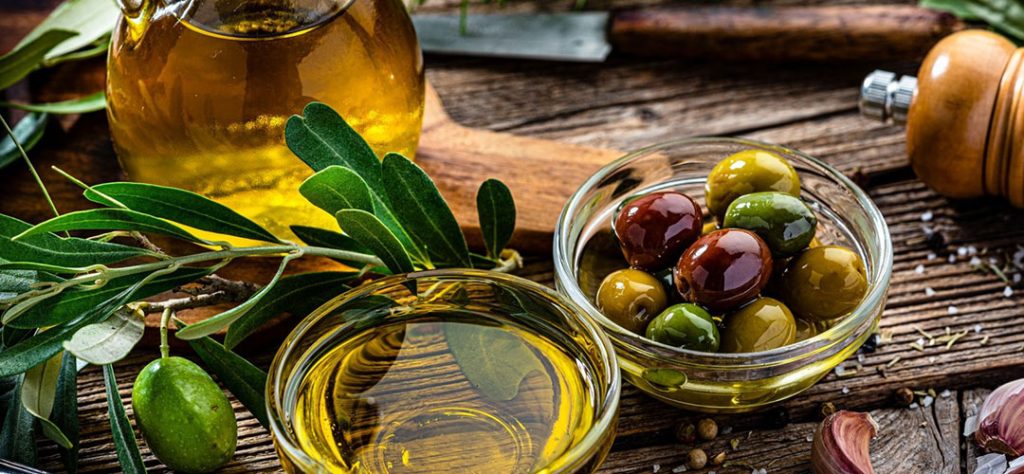
1.Extra Virgin Olive Oil – The Everyday All-Rounder
Best for: Dressings, drizzling, sautéing, light roasting
Why it’s healthy:
- High in monounsaturated fats (especially oleic acid)
- Rich in antioxidants like polyphenols and vitamin E
- Supports heart health and helps reduce inflammation
Despite popular belief, extra virgin olive oil can safely be used for moderate-temperature cooking. It’s the cornerstone of the Mediterranean diet, one of the healthiest eating patterns in the world. Look for cold-pressed, organic options for the best flavour and nutrition.
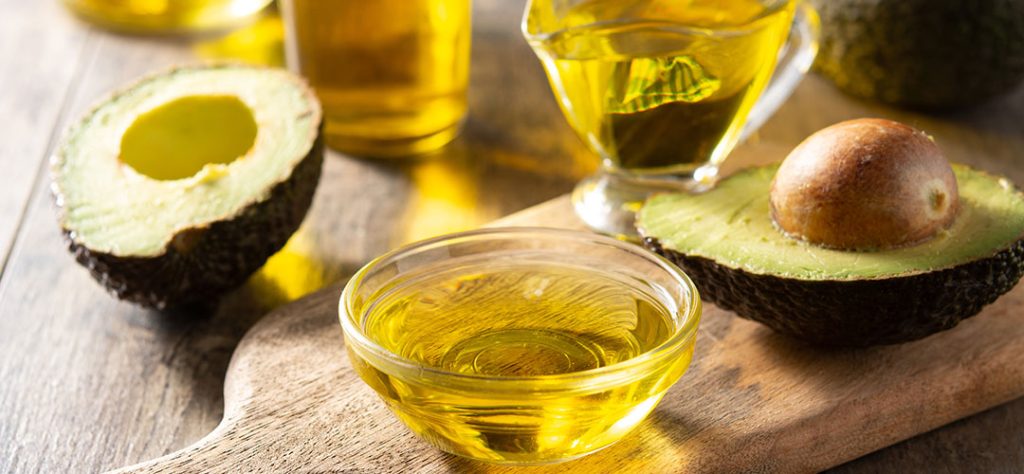
2.Avocado Oil – Ideal for High-Heat Cooking
Best for: Frying, roasting, grilling, baking
Why it’s healthy:
- High smoke point (around 250°C)
- Rich in monounsaturated fats and fat-soluble vitamins
- Supports healthy skin, hormone balance, and nutrient absorption
Avocado oil’s buttery, neutral taste makes it versatile for all kinds of cooking, from stir-fries to roast potatoes.
3.Cold-Pressed Sunflower or Rapeseed Oil – Balanced Everyday Options
Best for: Roasting, baking, shallow frying
Why they’re healthy:
- Contain a balance of omega-6 and omega-9 fats
- Naturally high in vitamin E, which supports cell protection
- Neutral flavour that suits both sweet and savoury dishes
Look for cold-pressed or unrefined versions, these retain more nutrients and avoid the processing issues associated with refined seed oils.
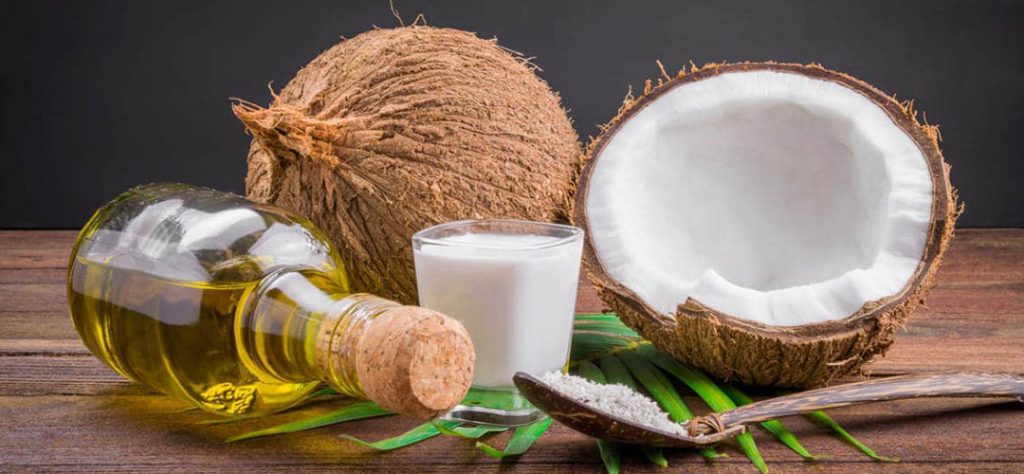
4.Coconut Oil – For Baking and Occasional Frying
Best for: Baking, stir-frying, or adding to curries and smoothies
Why it’s healthy in moderation:
- Contains medium-chain triglycerides (MCTs), a quick energy source
- Naturally solid at room temperature, stable for cooking
- Adds a mild sweetness and tropical aroma
While coconut oil is high in saturated fat, it may still have a place in a balanced diet, particularly if you enjoy plant-based or lower-carb eating. Choose virgin, cold-pressed varieties rather than refined versions.
5.Flaxseed Oil – The Omega-3 Powerhouse
Best for: Drizzling over salads, yoghurt, or cooked vegetables (never heat)
Why it’s healthy:
- Excellent source of plant-based omega-3 (ALA)
- Supports heart and brain function
- Great for balancing omega-6 intake from other oils
Flaxseed oil is delicate and should be stored in the fridge, away from light. Use it cold for maximum benefits, it’s a superb finishing oil rather than a cooking oil.
6.Nut Oils (Walnut, Hazelnut, or Almond Oil)
Best for: Dressings, baking, finishing touches
Why they’re healthy:
- Packed with antioxidants, vitamin E, and beneficial fats
- Add depth of flavour to sweet and savoury dishes
Nut oils are luxurious, nutrient-dense, and ideal for occasional use. Walnut oil, for example, is high in omega-3 fatty acids, while almond oil provides a gentle, sweet note perfect for baking.
How to Choose a Healthy Cooking Oil
When buying oils, keep these key tips in mind:
- Look for “cold-pressed,” “virgin,” or “unrefined” – this means the oil has been extracted without high heat or chemicals.
- Avoid hydrogenated or partially hydrogenated oils, which may contain trans fats.
- Store oils in dark glass bottles and away from sunlight to prevent oxidation.
- Rotate your oils – variety helps balance your fatty acid intake.
- Check expiry dates – even healthy oils go rancid over time.
The Best Oil for Health: Balance is Key
No single oil is perfect for every purpose. The healthiest approach is to mix and match oils depending on your cooking style:
- Use olive or avocado oil for everyday cooking and salads.
- Choose rapeseed or sunflower oil for baking and roasting.
- Add flaxseed or walnut oil raw for omega-3 support.
- Enjoy coconut oil occasionally for flavour and stability.
By alternating between oils, you’ll benefit from a broad spectrum of healthy fats, vitamins, and antioxidants – supporting everything from heart and brain health to skin and hormonal balance.
Final Thoughts
Seed oils aren’t the enemy, the problem lies in over-refinement and overconsumption. Cold-pressed, unrefined oils can absolutely be part of a healthy, balanced diet. When you choose the right oil for the right purpose, you enhance both flavour and nutrition.
So next time you cook, drizzle, or bake, reach for oils that are minimally processed, sustainably sourced, and nutritionally rich.