

Your knee has been aching for three weeks. The pain is worse in the morning, better after you move around, but by evening you’re limping again. Your neighbor swears by turmeric tea. Your cousin says naproxen is the only thing that helps. Your doctor mentioned something about topical gels. You stand in the pharmacy aisle staring at a wall of boxes — Advil, Tylenol, Aleve, Voltaren, and a dozen store brands — and you have no idea which one to pick.
This article breaks down the evidence for each major category of joint pain medicine. I am not a doctor. This is not medical advice. Consult a licensed physician before starting any new medication, especially if you have existing health conditions or take other drugs.
How Joint Pain Differs — And Why It Matters for Choosing Medicine
Not all joint pain is the same. The type of pain determines which medicine will actually help.
Osteoarthritis is mechanical wear-and-tear. The cartilage between bones wears down. Pain comes from bone rubbing on bone. This type of pain is usually dull, aching, and gets worse with activity. It responds best to medications that reduce pain perception itself — acetaminophen works well here — and to topical anti-inflammatories applied directly to the joint.
Inflammatory arthritis (rheumatoid arthritis, psoriatic arthritis, gout) involves the immune system attacking the joint lining. Pain is often sharp, accompanied by swelling and warmth, and may be worse at rest. NSAIDs (ibuprofen, naproxen) are more effective here because they target the underlying inflammation.
Acute injury (sprain, strain, minor fracture) involves tissue damage and swelling. Ice, rest, and short-term NSAIDs are the standard approach. Acetaminophen can help with pain but won’t reduce swelling.
If you have chronic kidney disease, stomach ulcers, high blood pressure, or take blood thinners, your options narrow significantly. NSAIDs are often off-limits. Acetaminophen becomes the default, but dosage must stay under 3000 mg per day.
If you are pregnant, avoid NSAIDs entirely, especially in the third trimester. Acetaminophen is generally considered safer but should still be used at the lowest effective dose for the shortest time.
Oral Medications: NSAIDs vs. Acetaminophen — A Head-to-Head Comparison
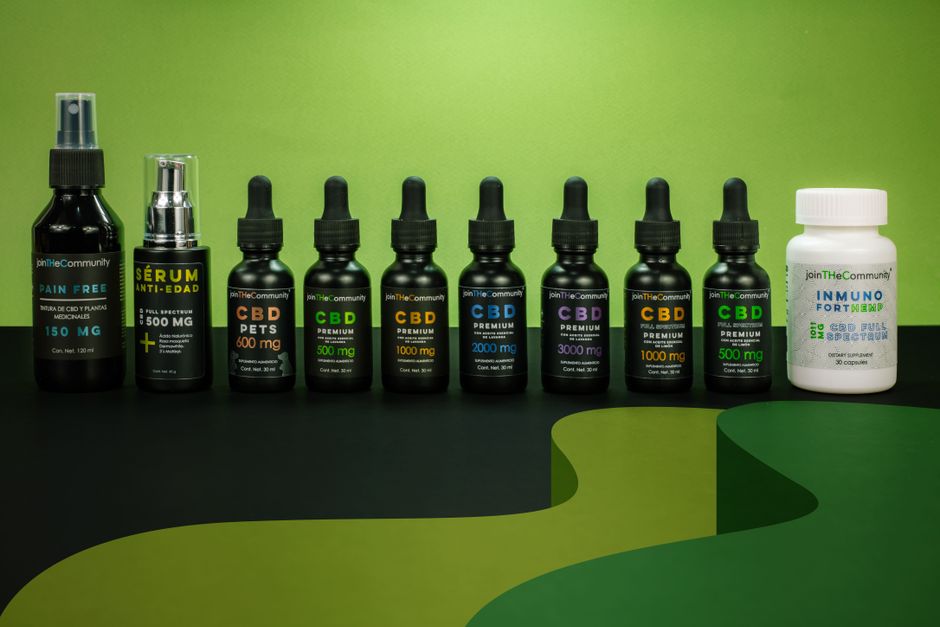
These two categories dominate the pharmacy shelves. Here is how they actually compare.
| Drug | How It Works | Best For | Max Daily Dose (Adults) | Key Risk |
|---|---|---|---|---|
| Ibuprofen (Advil, Motrin) | Blocks COX-1 and COX-2 enzymes, reducing inflammation | Inflammatory pain, acute injury, swelling | 1200 mg (OTC), 3200 mg (prescription) | Stomach bleeding, kidney damage |
| Naproxen (Aleve) | Same mechanism, longer half-life | Chronic conditions like osteoarthritis | 660 mg (OTC), 1500 mg (prescription) | Same as ibuprofen, but lasts longer in body |
| Acetaminophen (Tylenol) | Pain relief in the central nervous system; no anti-inflammatory effect | Osteoarthritis, pain without swelling | 3000 mg (some guidelines say 4000 mg) | Liver toxicity at high doses |
| Celecoxib (Celebrex, prescription only) | COX-2 selective inhibitor | Arthritis pain with lower stomach risk | 200-400 mg | Increased cardiovascular risk |
For osteoarthritis of the knee or hip, the American College of Rheumatology conditionally recommends NSAIDs over acetaminophen. But they also note that acetaminophen is a reasonable first choice for people who cannot take NSAIDs.
For rheumatoid arthritis, NSAIDs treat symptoms but do not slow disease progression. Disease-modifying antirheumatic drugs (DMARDs) like methotrexate are the real treatment.
The most common mistake people make: taking ibuprofen and acetaminophen together without tracking total dosage. They are metabolized differently — ibuprofen in the kidneys, acetaminophen in the liver — but combining them at high doses still stresses both organs. If you alternate, keep a written log of every pill and the time you took it.
Topical Pain Relievers: The Underused Option That Actually Works
Topical medications deliver active ingredients directly through the skin to the joint below. Systemic absorption is minimal — typically 1-10% of what an oral dose would deliver. That means fewer side effects.
Diclofenac gel (Voltaren Arthritis Pain, available OTC in the US since 2026) is the most studied topical NSAID. Multiple trials show it reduces osteoarthritis pain in the knee and hand by 40-60%, comparable to oral NSAIDs but with far fewer gastrointestinal side effects. The standard dose is 2-4 grams applied to the affected joint four times daily. You must wait 10 minutes before covering the area with clothing or a bandage.
Salicylate-based creams (Bengay, Aspercreme) work differently. They contain methyl salicylate, which converts to salicylic acid in the skin and produces a mild anti-inflammatory effect plus a warming sensation. Evidence is weaker than for diclofenac. They work best for muscle aches rather than deep joint pain.
Capsaicin cream (Capzasin, Zostrix) depletes substance P, a neurotransmitter that carries pain signals. It burns or stings for the first week of use. After that, many people get genuine relief. The catch: you must apply it consistently three to four times daily for two weeks before judging effectiveness. Most people quit too early.
Topicals are ideal for people who cannot take oral NSAIDs due to kidney problems, stomach issues, or blood thinners. They are also useful for people with pain in only one or two joints — there is no reason to medicate your entire body when only one knee hurts.
The limitation: topicals penetrate only about 1-2 centimeters. They work well for the knee, hand, and elbow. They do not work well for the hip, which sits too deep beneath muscle and fat.
Supplements: Glucosamine, Chondroitin, and Turmeric — The Evidence Is Mixed

Supplements are not regulated as drugs by the FDA. Manufacturers do not have to prove effectiveness before selling them. The evidence ranges from solid for some to nonexistent for others.
Glucosamine and chondroitin are the most popular joint supplements. The largest trial, the GAIT study (2006), found no statistically significant difference from placebo for most participants. However, a subgroup with moderate-to-severe knee pain did report meaningful improvement. A 2016 meta-analysis in the BMJ concluded that glucosamine, chondroitin, and their combination were no better than placebo for reducing pain or slowing joint space narrowing. If you try them, use pharmaceutical-grade products (like Dona or the prescription version in Europe) rather than cheap store brands. Give them 12 weeks. If you feel no difference, stop.
Turmeric (curcumin) has anti-inflammatory properties in lab studies. Human trials are smaller and less consistent. A 2026 review in the Journal of Medicinal Food found that turmeric extracts reduced pain in osteoarthritis patients by about the same amount as 800 mg of ibuprofen — but the studies were short (4-8 weeks) and used different formulations. Absorption is poor unless you take it with black pepper (piperine). Brands like BioSchwartz or Doctor’s Best use enhanced absorption formulas. Even then, turmeric is a supplement, not a replacement for proven medication.
Fish oil (omega-3s) reduces inflammation markers in the blood. For rheumatoid arthritis, doses of 2.7 grams or more of EPA/DHA daily have shown modest reductions in joint tenderness and morning stiffness. For osteoarthritis, the evidence is weaker. Nordic Naturals and Viva Naturals are third-party tested for purity and potency.
The failure mode most people hit: they expect supplements to work like drugs. They take glucosamine for two weeks, feel nothing, and declare it useless. Or they take turmeric without piperine and absorb almost none of it. Supplements require consistent dosing over months, and even then, many people get zero benefit.
When NOT to Take Pain Medication — And What to Do Instead
Pain medication treats symptoms, not the underlying cause. There are situations where reaching for a pill is the wrong move.
If the pain is new and severe — especially after a fall or injury — do not mask it with painkillers and hope it goes away. You could be walking on a stress fracture, a torn meniscus, or an infected joint. Pain is a signal. Numbing the signal without diagnosing the problem can make the injury worse. See a doctor first.
If you need pain relief more than three days a week for more than three months, you have chronic pain. Chronic pain requires a management plan, not a bottle of ibuprofen. Long-term daily NSAID use carries a 2-4% annual risk of serious gastrointestinal bleeding. The risk doubles if you are over 65. Alternatives include physical therapy, weight loss, joint bracing, corticosteroid injections, and in some cases, surgery.
If you have liver disease, acetaminophen is dangerous even at moderate doses. The maximum safe dose drops to 2000 mg per day, and you must avoid alcohol entirely. If you have kidney disease, NSAIDs can accelerate kidney failure. Your doctor should determine which pain reliever, if any, is safe for you.
If you are taking blood thinners (warfarin, apixaban, rivaroxaban), NSAIDs dramatically increase bleeding risk. Acetaminophen is safer but can interact with warfarin at high doses. Check with your pharmacist before taking anything.
For many people, the best first step for mild joint pain is not a pill at all. It is losing 5-10% of body weight. Every pound of body weight puts about 4 pounds of pressure on the knee. Losing 10 pounds reduces knee load by 40 pounds per step. That change alone can cut pain scores in half for some people with osteoarthritis.
Building Your Personal Pain Relief Plan: A Practical Framework
No single approach works for everyone. Here is a step-by-step framework to figure out what might work for you.
Step 1: Identify the type of pain. Is it sharp or dull? Does it come with swelling? Is it worse in the morning or after activity? This tells you whether you need an anti-inflammatory or a pure pain reliever.
Step 2: Start with the safest option. For mild pain in one or two joints, try a topical diclofenac gel first. It has the fewest systemic side effects. Use it consistently for two weeks before judging.
Step 3: If topicals are not enough, add oral medication. For osteoarthritis without swelling, start with acetaminophen (1000 mg, up to three times daily, with at least 6 hours between doses). For inflammatory pain or swelling, try ibuprofen (200-400 mg with food, up to three times daily). Never exceed the labeled dose.
Step 4: Set a time limit. If you are using oral pain relievers more than 10 days per month, you need a better long-term strategy. That is the point to see a doctor, get imaging, and discuss physical therapy, weight management, or prescription options like celecoxib or topical prescription NSAIDs.
Step 5: Track everything. Keep a simple log: date, pain level (1-10), which medication you took, dose, and how many hours of relief you got. After two weeks, you will see patterns. Maybe ibuprofen works for 6 hours but naproxen works for 10. Maybe acetaminophen does nothing for your knee but works for your back. Data beats guessing.
That knee that has been aching for three weeks? Start with Voltaren gel applied four times daily for 14 days. If you see improvement, you have a safe, effective solution. If not, see a doctor. Do not spend six months cycling through every bottle on the shelf while the underlying problem gets worse.
Medical Disclaimer: This content is for informational purposes only and does not constitute medical advice. Always consult a qualified healthcare professional before making health-related decisions.