The first time I tried mindful breathing for a panic attack, I did it wrong for three straight minutes and felt worse. My inhales were too shallow. My exhales were too short. I was basically hyperventilating while telling myself I was meditating. That’s the dirty secret about breathing exercises: most people do them backwards.
A 2026 study in Cell Reports Medicine found that the exhale is where the magic happens. Specifically, extending your exhale longer than your inhale activates the parasympathetic nervous system—the one that tells your body to stand down. Short, gulping inhales do the opposite. They signal threat. So if you’re doing equal counts for in and out, you’re leaving most of the calming benefit on the table.
Here’s what I’ve learned from years of using breathwork to manage generalized anxiety, plus the specific patterns that actually work in under five minutes.
The One Pattern I Recommend Over Everything Else
Skip the apps. Skip the guided YouTube videos with ambient music. The single most effective pattern I’ve found is 4-7-8 breathing, popularized by Dr. Andrew Weil. It’s not new. It’s not flashy. It works because the numbers force your exhale to be nearly twice as long as your inhale.
Here’s the exact sequence:
- Inhale through your nose for 4 seconds. Not a deep, straining breath—just a normal one.
- Hold for 7 seconds. This is where you feel the urge to breathe, and that’s fine. The mild air hunger is part of the mechanism.
- Exhale through your mouth for 8 seconds. Make it audible, like you’re fogging a mirror. Let your shoulders drop.
- Repeat for 4 cycles. That’s it. Four cycles takes about 76 seconds total.
Why it works: the extended exhale stimulates the vagus nerve, which lowers heart rate and blood pressure. The 7-second hold builds a tiny bit of CO2 tolerance, which reduces the panic response over time. And the counting gives your brain something to do besides spiral.
I’ve recommended this to friends who use it before job interviews, during turbulence on flights, and at 3am when anxiety decides to throw a party. None of them needed more than three cycles to feel a shift. Some felt it after one.
Box Breathing Is Fine—If You Modify It
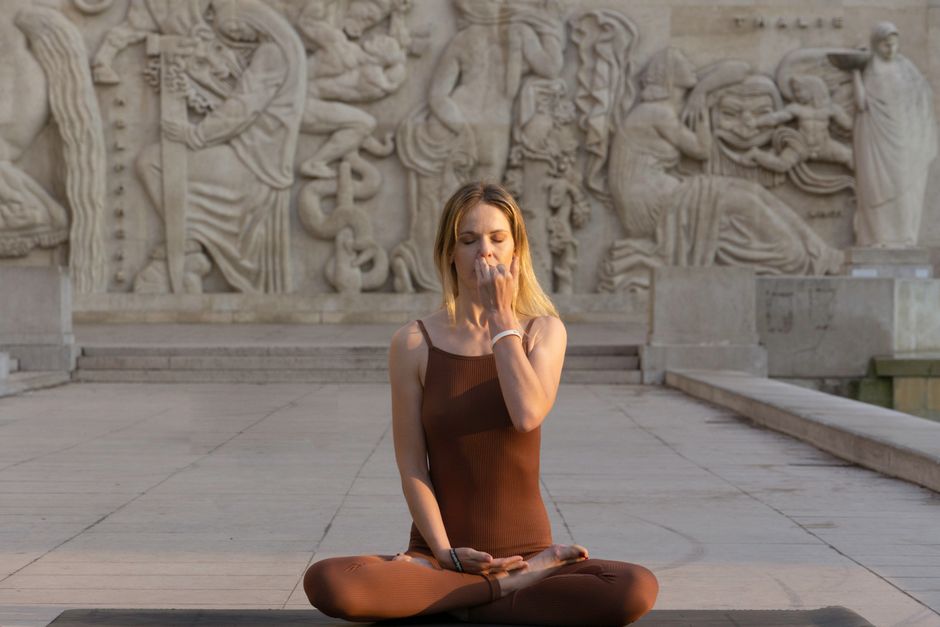
Navy SEALs use box breathing. It’s 4 seconds in, 4 seconds hold, 4 seconds out, 4 seconds hold. Equal sides. It’s great for focus under stress, and there’s solid research behind it for acute stress management.
But here’s the thing: box breathing is designed for performance under pressure, not necessarily for calming an anxious nervous system. If you’re about to give a presentation and need to feel sharp and controlled, box breathing is your tool. If you’re trying to stop a panic spiral, the equal ratios don’t extend the exhale enough to trigger the parasympathetic response as quickly.
My modified version for anxiety: keep the 4-second inhale and 4-second hold, but extend the exhale to 6 or 8 seconds. This turns box breathing into a calming exercise without losing the structure. I call it “wide box breathing” and it’s what I use when I need to stay functional but calm.
If you want to track your heart rate while doing this, a basic pulse oximeter like the Zacurate Pro Series 500DL ($22 on Amazon) shows your heart rate dropping in real time, which is weirdly motivating. Seeing the number go from 95 to 78 in two minutes is proof your body is responding.
Why Most People Fail at Mindful Breathing
The failure mode isn’t lack of discipline. It’s misunderstanding what “mindful” means in this context. Mindful doesn’t mean clearing your mind. It means noticing when your mind wanders and bringing it back to the breath. That’s the whole practice. If you do that 20 times in one session, you’re doing it correctly.
Three specific mistakes I’ve made and seen others make:
- Breathing too deeply. Forcing a huge inhale actually activates the sympathetic nervous system. You want a normal-volume breath, not a yoga-class breath.
- Counting too fast. People rush the seconds. Use a clock or a metronome app at first. A real 8-second exhale feels longer than you think.
- Doing it only during panic. This is the big one. If you only practice when you’re already anxious, your brain associates the technique with danger. Practice for 2 minutes when you’re calm, twice a day. Then it’ll work when you need it.
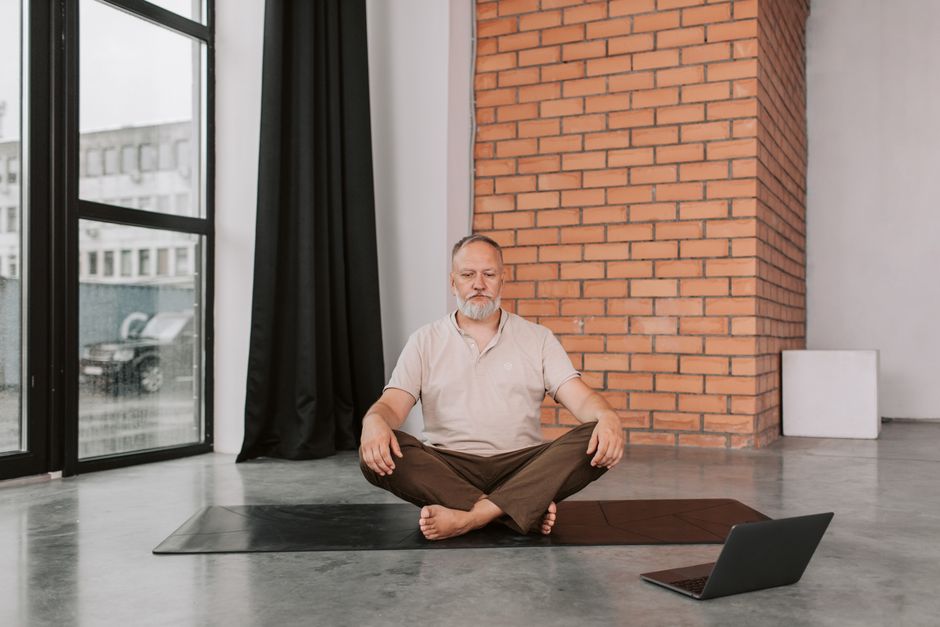
Also, don’t do this lying down if you’re prone to sleep. Sitting upright with your back against a chair is ideal. Your diaphragm has room to move, and you won’t doze off and wake up more anxious.
A Quick Comparison of the Three Main Patterns
| Pattern | Inhale | Hold | Exhale | Best For | Time to Effect |
|---|---|---|---|---|---|
| 4-7-8 Breathing | 4 sec | 7 sec | 8 sec | Acute anxiety, sleep onset | 1-3 minutes |
| Box Breathing (standard) | 4 sec | 4 sec | 4 sec | Focus, performance stress | 3-5 minutes |
| Physiological Sigh | Double inhale | None | Long exhale | Immediate panic spike | 30-60 seconds |
| Diaphragmatic Breathing | 5 sec | None | 5 sec | General stress, daily practice | 5-10 minutes |
Notice the pattern: the techniques with longer exhales work faster for anxiety. The physiological sigh—two quick inhales through the nose, then a long exhale through the mouth—is what your body does naturally when you’re sobbing or after a startle. Andrew Huberman has talked extensively about this. It’s the fastest reset I know. Two or three sighs can drop your heart rate within 30 seconds.
What About Breathing Apps and Devices?
I’ve tried most of them. Here’s my honest take.
Calm ($69.99/year) has excellent breathing exercises, but the app is bloated with sleep stories and music. If you just want breathing, it’s overkill. The free version includes the basic 4-7-8 timer, which is all you really need.
Breathwrk (free with $4.99/month premium) is more focused. Their anxiety category has specific patterns for panic attacks, pre-meeting nerves, and sleep. The haptic feedback on Apple Watch is genuinely useful—you don’t have to look at a screen.
Moonbird ($199) is a physical device you hold that expands and contracts to guide your breath. It’s beautifully designed and works well for people who hate apps. But $199 is a lot for something a free timer can do. I’d only recommend it if you have disposable income and want a tactile anchor.
Apple Watch (Series 9, $399) has a built-in Mindfulness app with a one-minute breathing session. It’s not customizable, but it’s always on your wrist. For most people, this is enough.
My actual recommendation: start with a free timer on your phone or the Apple Watch app. If you stick with it for two weeks, consider upgrading to Breathwrk for the pattern variety. Skip Moonbird unless you’ve already established a practice and want the physical cue.
When Mindful Breathing Isn’t Enough
Breathwork is a tool, not a cure. If you’re having daily panic attacks, or your anxiety is interfering with work and relationships, breathing exercises are a bandage. They’ll help you survive the moment, but they won’t address the underlying cause.
Signs you need more than breathing:
- You’re using breathing exercises multiple times a day just to function.
- Anxiety is preventing you from leaving the house or doing normal activities.
- You’re experiencing physical symptoms like chest pain, dizziness, or shortness of breath that don’t improve with slow breathing.
In those cases, talk to a doctor or therapist. Cognitive behavioral therapy (CBT) has the strongest evidence for anxiety disorders, and it pairs well with breathwork. Some people also benefit from medication. There’s no shame in any of this. Breathing exercises are one tool in a bigger toolkit.
The Five-Minute Protocol I Actually Use
Here’s the exact sequence I use when anxiety spikes. It takes under five minutes and requires nothing but a chair and a clock.
- Minute 1: Sit down, feet flat, back against chair. Do two physiological sighs. This is the emergency brake.
- Minute 2-4: Switch to 4-7-8 breathing. Four full cycles. Count in your head. If your mind wanders, just come back to the count.
- Minute 5: One more physiological sigh. Then notice how your body feels. Is your jaw unclenched? Shoulders dropped? Heart rate lower?
That’s it. No app. No device. No subscription. The whole thing costs zero dollars and works faster than anything I’ve tried, including prescription anti-anxiety medication for acute episodes.
The single most important takeaway: extend your exhale longer than your inhale—that’s the entire mechanism, and everything else is just counting.
Medical Disclaimer: This content is for informational purposes only and does not constitute medical advice. Always consult a qualified healthcare professional before making health-related decisions.