How do you pack a lunch that keeps a child satisfied, supports steady energy, and still comes home mostly eaten? The strongest answer is a repeatable structure: one protein food, one fibre-rich carbohydrate, two colourful produce choices, and one familiar or playful item.
This is not medical advice. Children with allergies, diabetes, growth concerns, feeding difficulties, or other diagnosed conditions need an individual plan from a qualified clinician. This is not legal advice — consult a licensed attorney for legal questions about school rules or liability. School district policies and food-safety requirements can vary by location.
How much protein and fibre belongs in the lunch?
There is no single lunch quota that fits every child. Age, appetite, activity, growth pattern, medical needs, and the food served at breakfast and dinner all matter. A parent usually gets a better result by using proportions than by weighing every ingredient.
Use a portion guide instead of a rigid target
For younger children, begin with child-sized servings: roughly one small palm of protein, one cupped hand of a grain or starchy food, and one or two small handfuls of fruit and vegetables. Older children may need more, especially during growth spurts or active seasons. Pack a little extra of a familiar food rather than forcing a child to finish every item.
Pair fibre with moisture
Fibre works best in a lunch that also includes fluid. Water should be the default drink unless a clinician has given different advice. Pair dry whole-grain crackers with hummus, add yoghurt beside berries, or use beans in a soft taco. Very large amounts of bran cereal or raw vegetables can cause discomfort for some children, so increase portions step by step.
My clear recommendation is to judge balance across the whole day, not one container. If breakfast included oats and dinner will include beans or vegetables, lunch does not need to carry every nutrient alone.
How can healthy food feel fun without becoming dessert?
Fun is not a nutritional extra. It affects whether a child notices, touches, and eats the food. The best strategy is to change the presentation while keeping the main ingredients familiar.
Use shape, colour, and choice
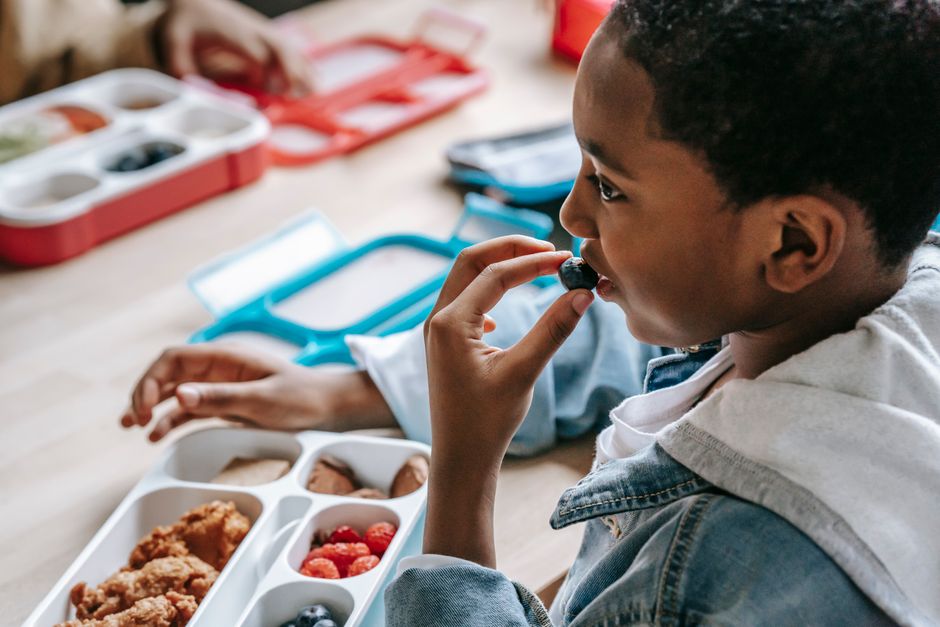
Cut a sandwich into triangles, place berries in a small silicone cup, or thread cucumber and cheese onto a child-safe food pick when school rules allow it. Offer two choices before packing: apple or pear, turkey or egg, peas or cucumber. That small decision gives the child ownership without turning lunch into a negotiation.
Keep one safe food
A safe food is something the child usually eats, such as a plain roll, banana, cheese cubes, or familiar crackers. Place it beside one less familiar item rather than replacing the whole lunch with a new recipe. Exposure can happen without pressure. A child may smell or touch a new food many times before eating it, and that still gives useful information.
Best position: make the food look inviting, but do not hide vegetables or promise sweets for every bite. The lunch should be enjoyable on its own. A small square of dark chocolate or a homemade oat bite can fit, but it should not be the reason the child eats the meal.
Which lunch mistakes create the biggest problems?
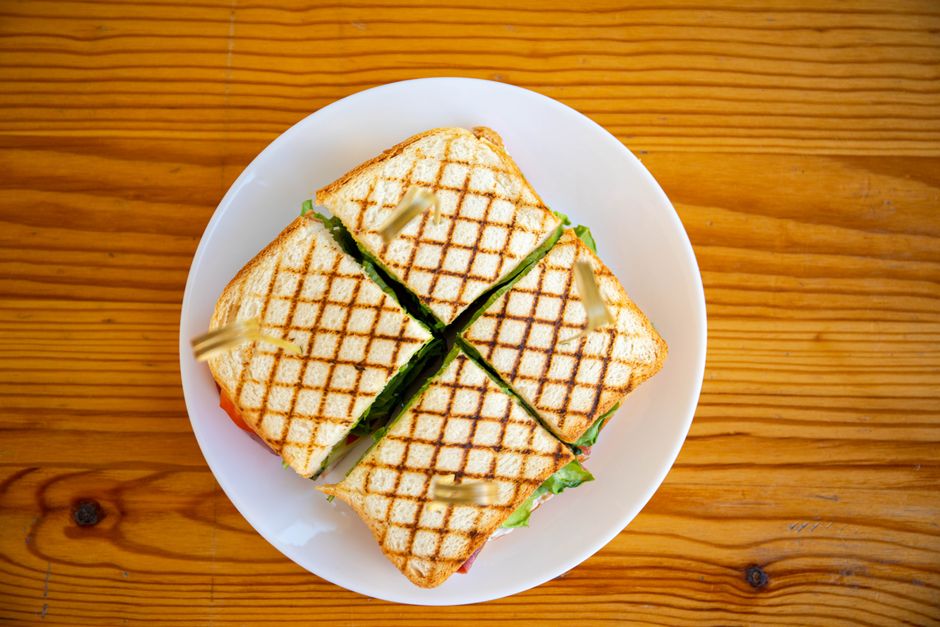
Most lunch failures are practical, not moral. A nutritious meal can fail because it leaks, takes too long to open, becomes soggy, or contains a texture the child cannot comfortably chew.
Check these five failure points
- Too much novelty: packing three new foods at once makes it hard to tell what the child disliked.
- Dry food only: crackers, cereal bars, and pretzels may leave a child hungry soon after lunch.
- Unsafe shapes: whole grapes, popcorn, hard raw vegetables, whole nuts, and chunks of hot dog can pose choking risks for young children. Cut foods according to the child’s age and chewing skills.
- Hidden school restrictions: nuts, sesame, eggs, or homemade foods may be limited by district policy. Check the current written rule.
- Poor temperature control: meat, eggs, dairy, and cooked grains should not sit warm for long periods. Use an insulated bag and cold pack where needed.
Know when to ask for help
Consult a paediatric clinician or registered dietitian if a child regularly gags, eats an extremely narrow range, loses weight, has persistent stomach pain, or has a diagnosed allergy. A lunchbox cannot solve a feeding disorder or medical nutrition problem.
The strongest correction is usually smaller portions, one accepted food, and one change at a time. That approach gives parents useful evidence instead of guesswork.
Which lunch container fits your routine?
Verdict: choose the container that the child can open, close, and carry without help. The most expensive box is a poor choice if a child cannot release its latch before lunch.
Compare practical options
| Product | Useful specification | Typical retail price | Best fit |
|---|---|---|---|
| Bentgo Kids 5-Compartment | Five sections, leak-resistant design, about 2.4 cups total capacity | About $29.99 | Separate small portions |
| Yumbox Panino | Four compartments with a removable tray and silicone seal | About $34.99 | Sandwiches and produce |
| OmieBox UP | Insulated compartment plus separate sections for cold foods | About $49.99 | Warm-and-cold lunches |
| Thermos Funtainer 10 oz | Insulated food jar for soups, pasta, or oatmeal | About $24.99 | Warm soft meals |
Make the buying decision simple
For a child who likes variety, the Bentgo Kids is the best value because its five sections make a balanced layout easy to see. For soup or warm pasta, the OmieBox UP is the better pick because it separates warm food from fruit and vegetables. If the child mainly eats sandwiches, choose the Yumbox Panino and avoid paying for insulation you will not use.
Prices change by retailer and season. Treat these figures as typical retail references, not promises. The useful feature is the size and opening system, not the logo.
How should you pack food safely before school?
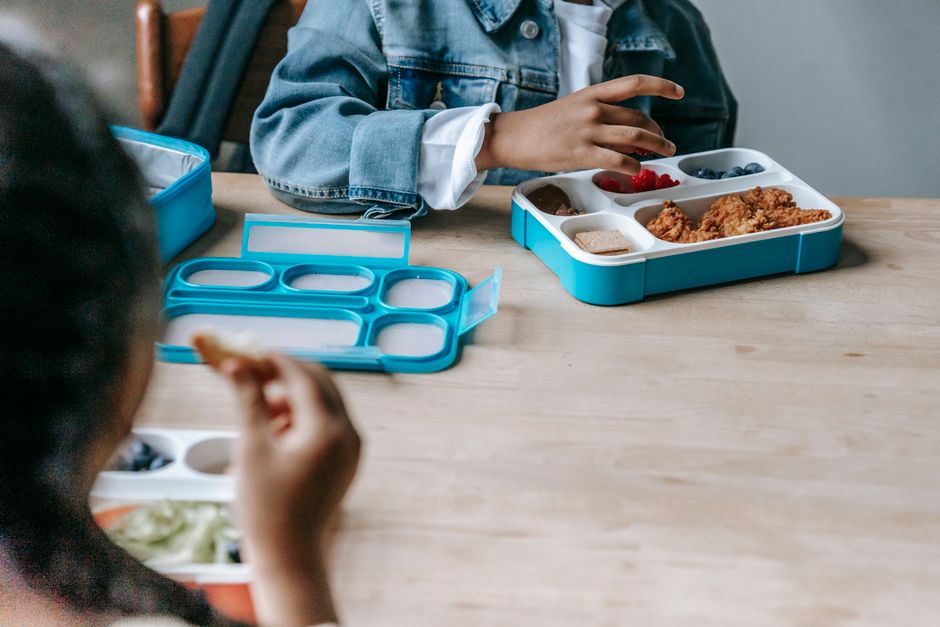
Food safety deserves the same attention as nutrition. A lunch that contains protein and dairy needs a temperature plan, especially when the classroom has no refrigerator.
Use a repeatable packing sequence
- Wash hands and clean the lunch container before filling it.
- Chill perishable foods before packing them rather than relying on a cold pack to cool warm food.
- Use an insulated bag with a cold pack for yoghurt, cheese, eggs, meat, and cut fruit that needs refrigeration.
- Keep wet foods away from bread unless the box has a sealed compartment.
- Tell the child which foods should be eaten first and how to close the box after eating.
Match the food to the school day
Use a Thermos Funtainer 10 oz for hot soup or pasta only when the child can open it safely and the food is packed hot. For cold lunches, a Hydro Flask Kids Wide Mouth 12 oz bottle, usually about $29.95, can carry water without adding sweet drinks to the meal. A small ice pack is useful when the lunch will sit for several hours.
Do not pack food that needs refrigeration in an ordinary backpack pocket. If the school provides a refrigerator, confirm how it is managed before depending on it. When a child cannot open a package independently, the safest plan is a simpler package.
What is the best five-day lunch formula?
Verdict: repeat the structure and rotate the flavours. Children often eat more reliably when the lunch looks familiar, while parents save time by changing only one or two ingredients each day.
Use this sample rotation
| Day | Protein | Fibre-rich food | Produce and fun element |
|---|---|---|---|
| Monday | Turkey and cheese roll-ups | Whole-grain crackers | Apple slices and cucumber stars |
| Tuesday | Greek yoghurt | Oat muffin | Berries and a small oat bite |
| Wednesday | Egg and cheese quesadilla | Whole-grain tortilla | Pear wedges and mild salsa |
| Thursday | Hummus | Whole-grain pita | Carrot sticks, peas, and a dip cup |
| Friday | Chicken pieces or tofu | Brown-rice salad | Orange segments and a themed napkin |
Choose the right level of variety
Keep the protein familiar if the grain or produce is new. If the child rejects the meal, ask which part failed: taste, temperature, smell, texture, packaging, or time. That answer is more useful than labelling the child picky. Change one variable next time.
The final comparison is straightforward: use a divided box for cold variety, an insulated box for warm meals, and a simple container when opening speed matters most. Across all three choices, the winning lunch has protein, fibre, produce, water, and one enjoyable detail the child can manage independently.
Medical Disclaimer: This content is for informational purposes only and does not constitute medical advice. Always consult a qualified healthcare professional before making health-related decisions.