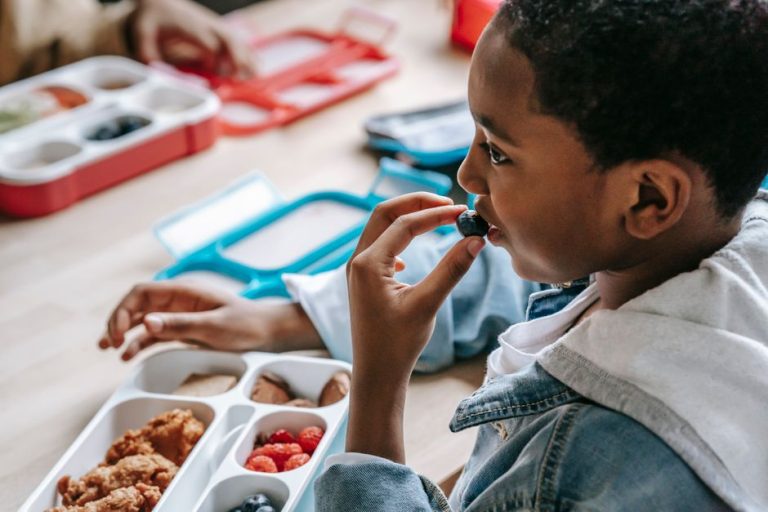
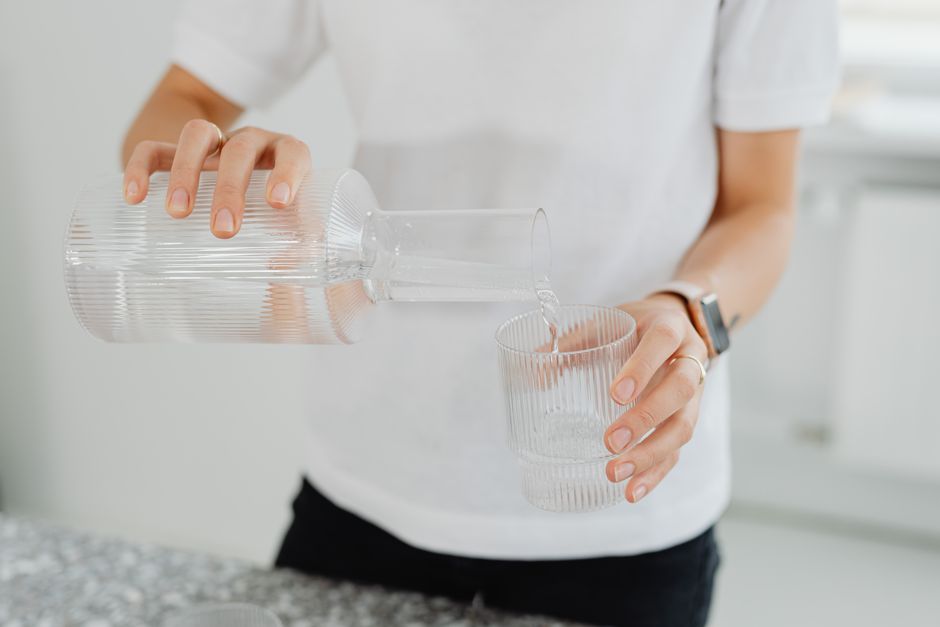
The common misconception is that every family member needs to force down eight glasses of water a day. That rule is too blunt to be useful. Hydration needs change with age, body size, meals, exercise, weather, illness, and milk intake. Busy families do better with a reliable rhythm than with a giant daily target.
The goal is simple: make water the easiest drink to find, carry, serve, and refill. Once the setup works, nobody needs a lecture at 7:40 a.m. or a frantic search for a drink after soccer practice.
A hydration schedule beats a daily water quota
Verdict: build drinking into family transitions instead of chasing a perfect number. A quota can help you spot a problem, but it should not become a scoreboard. The Centers for Disease Control and Prevention says daily water needs vary by age, sex, activity, pregnancy, breastfeeding, climate, and illness. Food and other drinks also contribute to total fluid intake.
Use age as a guardrail, not a scoreboard
For rough planning, the American Academy of Pediatrics lists about 4 cups of total fluids for children ages 1–3, about 5 cups for ages 4–8, and around 7–8 cups for older children. Those amounts include water and milk, not just plain water. A child who exercises in hot weather needs a different plan from a child spending a quiet winter day indoors. Use the numbers to notice a pattern, then adjust for real life.
| Family moment | Simple water cue | Reason it works |
|---|---|---|
| Wake-up | Small glass with breakfast | Starts the day before school chaos |
| Leaving home | Fill each person’s bottle | Prevents buying sweet drinks later |
| After school | Water before snack | Links drinking to an existing habit |
| Dinner | Water on the table first | Makes the default choice visible |
| Bedtime routine | Small refill if needed | Reduces the next-morning scramble |
Build around transitions
Pick four or five moments that already happen every day: waking, leaving, arriving home, eating, and exercising. Attach one water action to each. The routine should be boring and repeatable. A family that drinks a modest amount at several predictable points will usually do better than a family that ignores water all day and tries to catch up at night.
Make water visible, cold, and ready before anyone asks
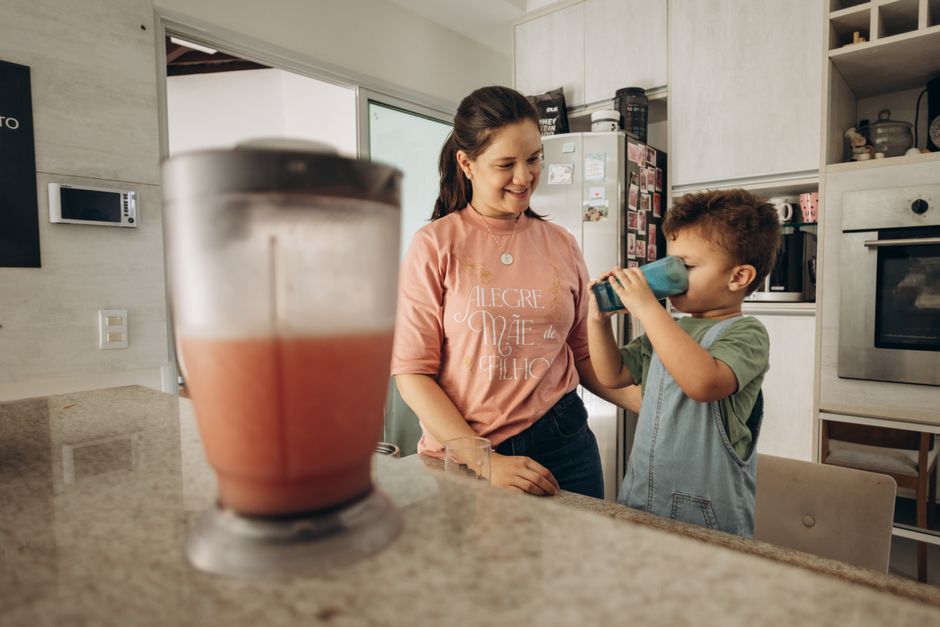
Make water the default, not a personal test of willpower. Put it where the next decision happens. Keep a filled container in the refrigerator, place cups beside the dinner plates, and refill bottles before backpacks go by the door. Children copy what adults do, so parents need to drink water in plain sight rather than handing out reminders from across the room.
Use the three-point refill loop
- Morning: Fill bottles before breakfast ends. Do not leave the task for the final five minutes before departure.
- Midday: Refill at school, work, or the first convenient stop. A bottle that runs dry becomes an excuse to buy soda or skip drinking.
- Evening: Wash, dry, and stage every bottle near the next day’s bags. The habit is won the night before.
Remove small barriers that create big misses
Water that tastes warm, smells stale, or sits behind a stack of groceries will lose. Use ice if cold water gets more attention. Add lemon, lime, cucumber, berries, or mint when plain tap water has become boring. Serve water with meals before offering anything sweeter. Do not turn flavor into a reward. That teaches children that water is the punishment and juice is the prize.
A pitcher also helps when several people need refills at once. Keep it small enough to lift safely and refill it during the same kitchen reset used for lunch boxes. The best system is the one that still works when everyone is late.
Fix the failure modes that derail family hydration
Most hydration plans fail for practical reasons, not because families lack health knowledge. The bottle is empty. The water tastes bad. A child waits until practice ends. An adult mistakes coffee for a full day of fluids. A good plan names these breakdowns before they happen and gives each one a boring fix.
Failure mode: waiting for thirst
Thirst is not a useful meeting schedule. Children may ignore it while playing, and adults may push through a busy morning without drinking. Use events as prompts instead: water with breakfast, before leaving, at meals, and after exercise. During heat, fever, vomiting, diarrhea, or intense activity, fluid needs can rise quickly. Watch behavior and symptoms instead of forcing a fixed amount. Very dark urine, unusual sleepiness, dizziness, dry mouth, or a child who cannot keep fluids down deserves attention. Severe symptoms need medical care.
Failure mode: making sports drinks the automatic answer
Sports drinks have a narrow job. They may help during prolonged, hard exercise in heat, but they are not the everyday drink for school, errands, or a short practice. Many contain added sugar and provide more calories than a child needs. Water should handle ordinary activity. Milk can supply nutrients with meals. A sports drink should be a specific tool, not a colorful substitute for a routine.
Failure mode: treating every family member the same
A toddler, a teenager, and a breastfeeding parent do not have identical fluid needs. Neither does a person with kidney, heart, or hormone-related conditions. Infants under 12 months need age-specific guidance rather than a family water plan. Children under 1 should not be managed with the same targets used for school-age children. If a family member has a medical condition, takes medication that affects fluid balance, or has repeated dehydration symptoms, ask a clinician for an individual plan.
The best bottle is the one that removes your family’s biggest barrier

Verdict: choose function over matching sets. A bottle does not create a hydration habit by itself, but the wrong bottle can wreck one. The right choice depends on the problem: leaking bags, poor taste, small hands, warm water, or a bottle that is too heavy to carry.
Best examples by use case
- For a simple adult carry: the Nalgene Wide Mouth 32 oz is the clearest choice when a large, lightweight bottle matters more than insulation. Its 32-ounce size makes the refill schedule easy to see.
- For cold water: the Hydro Flask Standard Mouth 24 oz is the better pick when temperature keeps someone drinking. The tradeoff is extra weight compared with thin plastic.
- For a built-in drinking shortcut: the Owala FreeSip 24 oz suits people who dislike unscrewing a cap and prefer a straw-style opening. More moving parts also mean more pieces to wash.
- For younger children: the CamelBak Eddy+ Kids 12 oz is a practical size for smaller hands. The smaller capacity means adults must plan a refill instead of assuming it will last all day.
- For unpleasant tap water: the Brita Premium Filtering Bottle 20 oz can address taste at the point of drinking. Filters add replacement costs and cleaning work, so it is a poor choice if nobody will maintain it.
When not to buy a new bottle
Do not buy another bottle if the real problem is access. A family with no refill point at school, work, or sports practice needs a water plan first. Do not buy an insulated bottle for a child who already struggles to carry a heavy backpack. Do not choose a complicated lid for someone who will not wash its seals. A plain cup beside the sink can beat a $40 bottle that lives unopened in a drawer.
Family hydration questions deserve direct answers

How much water should a child drink?
There is no single number that fits every child. Use age-based guidance as a rough starting point, then account for milk, watery foods, exercise, heat, and illness. The AAP’s estimates for children ages 1–3, 4–8, and older children refer to total fluids, not a requirement to drink the same amount of plain water. Offer water regularly instead of waiting for a child to ask. A child who is active, sweating heavily, vomiting, or having diarrhea may need a different plan and medical advice.
Does flavored water count?
Unsweetened water flavored with citrus, herbs, berries, or cucumber still supports hydration. The point is to make water more appealing without training the family to expect added sugar in every drink. A small amount of 100% juice mixed into sparkling water can be an occasional option, but it should not replace plain water all day. If flavor is the only reason someone drinks, use it as a bridge while keeping plain water available.
When should a family call a clinician?
Seek medical advice for repeated dizziness, fainting, confusion, very low urination, inability to keep fluids down, or signs of serious dehydration. Young children and older adults can worsen quickly, especially during heat or stomach illness. A family routine should make ordinary drinking easier, not hide symptoms that need professional care. As water access improves in homes, schools, and workplaces, the next useful shift will be designing family schedules around easy refills rather than treating hydration as a daily emergency.
Medical Disclaimer: This content is for informational purposes only and does not constitute medical advice. Always consult a qualified healthcare professional before making health-related decisions.