
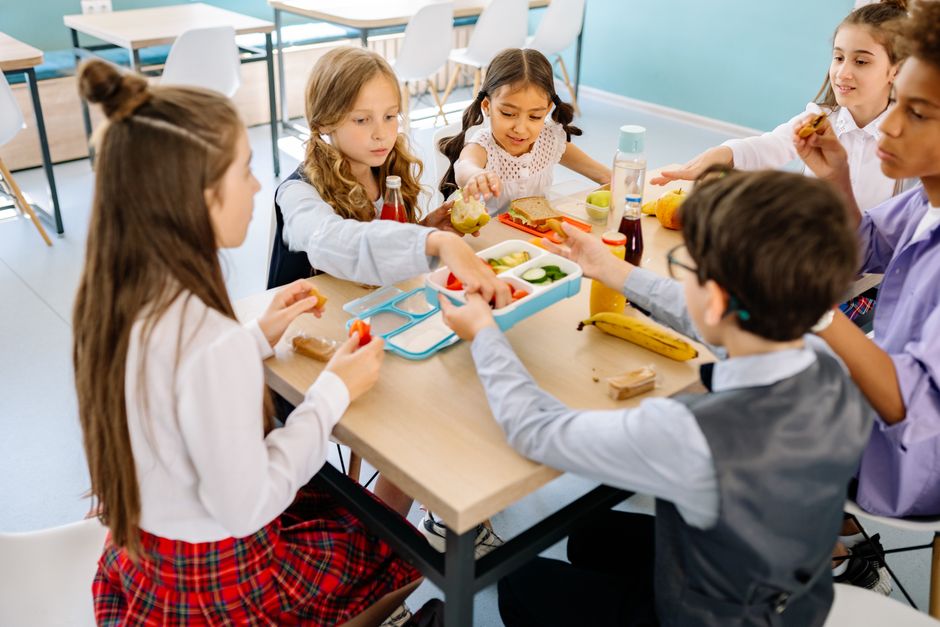
The biggest misconception about a healthy lunchbox is that it needs to look like a tiny wellness magazine spread. It does not. Kids usually reject lunches because the food feels unfamiliar, the portions are too large, the texture changes by noon, or the meal takes too long to eat. A lunch with five perfect food groups still fails if your child opens the box, sees steamed vegetables touching a soggy sandwich, and decides to eat crackers from a friend instead.
The best healthy lunchbox is familiar, balanced, easy to open, and small enough to finish during a short school break. That is the standard I use.
Why Healthy Lunches Get Rejected at School
My verdict is simple: acceptance comes before variety. A child who eats a plain turkey sandwich, apple slices, and yogurt is getting more useful nutrition than a child who carries an untouched box filled with foods adults think look healthy.
The real problem is predictability
Most children do not reject vegetables because they hate nutrition. They reject food that feels risky when they are hungry, rushed, or surrounded by classmates. School lunch has different rules from dinner. The child may have 15 minutes to eat, no easy place to wash sticky hands, and limited help if a container is hard to open. Food also loses heat, crunch, and shape while it sits in a backpack.
Start with one safe food your child already eats. Add one familiar protein, one fruit, and one small learning food. The learning food might be cucumber, roasted chickpeas, hummus, or a new cheese. Keep the portion tiny. One strawberry or two cucumber coins create less pressure than a full cup of food that feels like a test.
Texture matters more than parents expect
A lunchbox needs foods that still taste good after several hours. Pack crisp foods away from wet foods. Put berries in a dry compartment. Drain canned fruit well. Cool pasta before packing it so steam does not turn the box into a damp container. Cut sandwiches into small squares if your child dislikes thick crusts, but do not remove every texture on autopilot. The goal is food that feels familiar enough to eat and varied enough to keep lunch interesting.
For younger children, appearance and speed beat culinary ambition. A small wrap cut into pinwheels may work better than a large sandwich. A peeled clementine may beat a carefully sliced fruit salad because it is easier to handle. That is not a nutrition failure. It is good lunch design.
The Five-Part Lunchbox Formula That Works
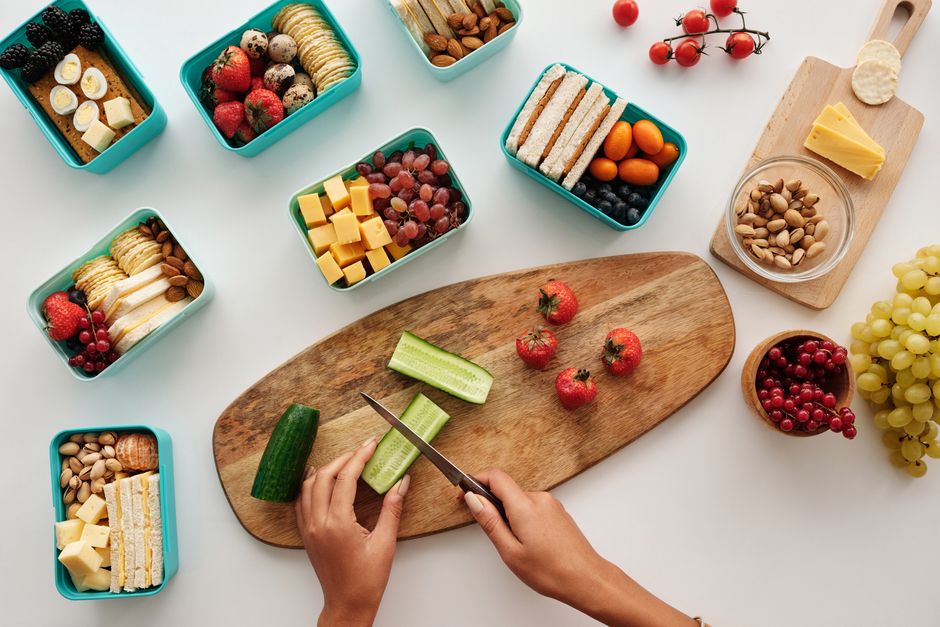
The best formula is flexible, but I would not send a random collection of snacks and call it lunch. Use five parts: a filling food, a protein, a fruit or vegetable, a familiar extra, and water. This structure gives the meal enough staying power without forcing a child to finish a giant portion.
Build the box in this order
- Start with a filling base. Use whole-grain bread, a small tortilla, oats, potatoes, rice, pasta, or a mini bagel. The base supplies energy for the afternoon.
- Add a protein food. Try eggs, chicken, beans, lentils, cheese, yogurt, tofu, or sunflower seed spread. Choose the option your child can eat quickly and safely.
- Add one produce item. Apples, grapes, berries, snap peas, carrots, peppers, and cucumber all work. Pack a small amount first.
- Add a familiar extra. This could be popcorn, pretzels, a homemade oat bar, or a few whole-grain crackers. A reliable food helps the child approach the less familiar one.
- Pack water. Water is the default drink. Sweet drinks can make lunch less filling and train the palate toward stronger sweetness.
Use portions that match the school day
A preschool lunch may need only a few bites of each part. Older elementary children often manage a sandwich half, a small fruit serving, and one or two sides. Do not copy adult portions. A useful starting point is one small handful of the base, one palm-sized protein portion, and a few pieces of produce. Increase food only when the box comes home empty for several days.
Keep sauces separate when possible. A small container of hummus, yogurt dip, or mild salsa gives children control over texture. That single change can turn a rejected vegetable into an eaten one.
Five Lunchbox Ideas Built for Real School Days
These combinations are designed around foods that hold up, travel well, and can be eaten without a full dining setup. The winner for most families is the turkey and cheese option because it uses familiar flavors, requires little morning work, and leaves room for one small new food.
A five-day rotation
| Day | Main food | Produce | Extra | Prep time |
|---|---|---|---|---|
| Monday | Half turkey and cheese sandwich on whole-grain bread | Apple slices with lemon juice | Plain yogurt | 8 minutes |
| Tuesday | Bean and cheese quesadilla cut into triangles | Cucumber coins | Fresh berries | 10 minutes |
| Wednesday | Cold pasta with peas and shredded chicken | Orange segments | Two whole-grain crackers | 12 minutes |
| Thursday | Hard-boiled egg with a small pita | Baby carrots | Hummus for dipping | 7 minutes |
| Friday | Sunflower seed butter and banana roll-up | Snap peas | Homemade oat bites | 6 minutes |
Repeat meals are not a sign that you have run out of ideas. They reduce morning arguments and make it easier to spot what your child actually eats. Change one detail at a time: use pita instead of bread, swap apple for pear, or change the dip. Too many changes make it impossible to learn what caused the rejection.
For food safety, keep cold foods cold with an ice pack and use an insulated container for hot foods. Wash reusable containers daily, especially lids with grooves and silicone seals. A healthy lunch that sits warm for hours is not a smart trade.
The Picky-Eater Mistakes I Would Stop Making
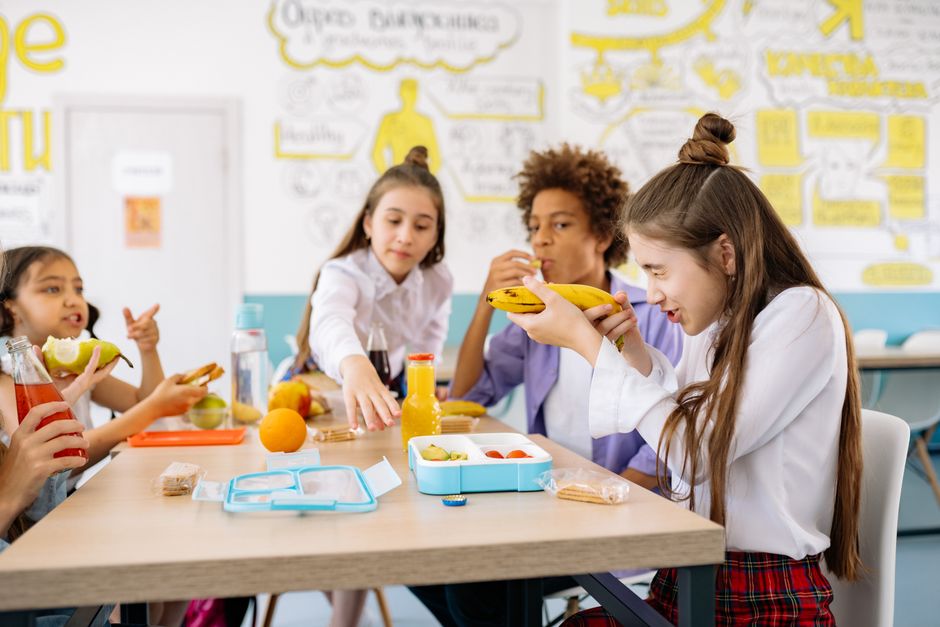
My strongest opinion is to stop using lunch as a daily nutrition exam. Packing three new foods, hiding vegetables in every item, or sending a huge box because your child skipped breakfast usually creates pressure instead of better eating. Children need repeated, low-pressure exposure, and the lunchroom is a poor place for a food battle because time, noise, and social pressure are already working against them.
The second mistake is confusing variety with balance; a box containing crackers, fruit snacks, cereal, and a sweet drink may look varied but still leaves out a filling protein and a meal-sized base, while a simple sandwich, fruit, and yogurt can cover the afternoon far better. The third mistake is packing food that requires adult help, such as a tight jar lid, a whole orange, or a large wrap that spills when bitten, because the child may quietly skip it rather than ask for assistance.
My rule is to change only one variable per lunch and watch the pattern for a week. If the sandwich returns untouched but the cheese is gone, keep the cheese and change the bread. If wet fruit is rejected, dry it more thoroughly before packing. If vegetables survive untouched, serve one piece beside a familiar dip instead of filling half the box with them. The fix is usually smaller, simpler, and less dramatic than parents expect.
Which Lunchbox Setup Is Worth Buying
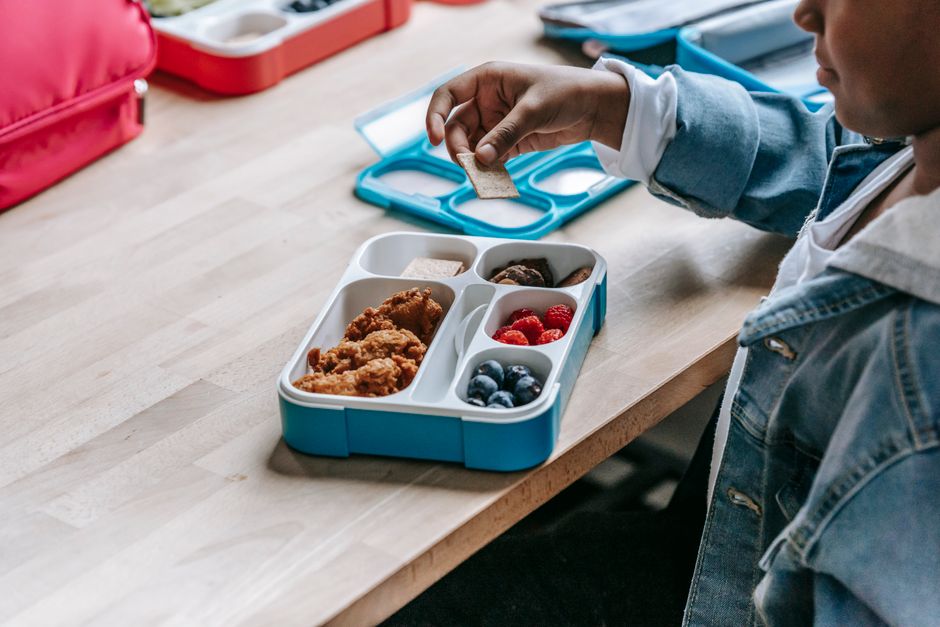
For most elementary school children, my pick is the Yumbox Panino because its roughly 4.4-cup capacity and four food sections make portion control easy without turning lunch into a pile of separate bags. It usually sits in the mid-$30 range, and the silicone-sealed compartments suit dry sandwiches, fruit, and small snacks. Do not buy it for a child who wants hot food or routinely carries large portions; the fixed spaces can feel cramped.
Choose the container by the lunch problem
| Product | Useful specification | Best for | My verdict |
|---|---|---|---|
| Yumbox Panino | About 4.4 cups with four sections | Small portions and dry foods | Best everyday choice for most younger elementary students |
| Bentgo Fresh 3-Compartment | About 4.2 cups with a removable tray | Families that want easier washing | Best when cleaning matters more than built-in variety |
| OmieBox Bento Box | About 47 ounces with an insulated food compartment | Hot soup, pasta, or leftovers | Best for children who reliably eat warm meals |
| Thermos FUNtainer Food Jar | 10-ounce insulated food jar | A simple hot-food add-on | Best when a full bento box is unnecessary |
When not to buy a larger lunchbox
Skip the biggest container you can find if your child already feels overwhelmed by food. A large box does not create a larger appetite. It often creates more waste, more complicated packing, and a visual message that the child should keep eating after feeling full. A smaller box with one dependable main, two sides, and water is the better purchase for many children.
Choose the OmieBox Bento Box only when your child actually eats warm food and the school allows it. Choose the Bentgo Fresh if your priority is washing and flexible portioning. Choose the Yumbox Panino for the clearest default: familiar foods, separated textures, and a capacity that keeps lunch realistic. The container matters, but the food inside still has to look like something your child recognizes as lunch.
Medical Disclaimer: This content is for informational purposes only and does not constitute medical advice. Always consult a qualified healthcare professional before making health-related decisions.