
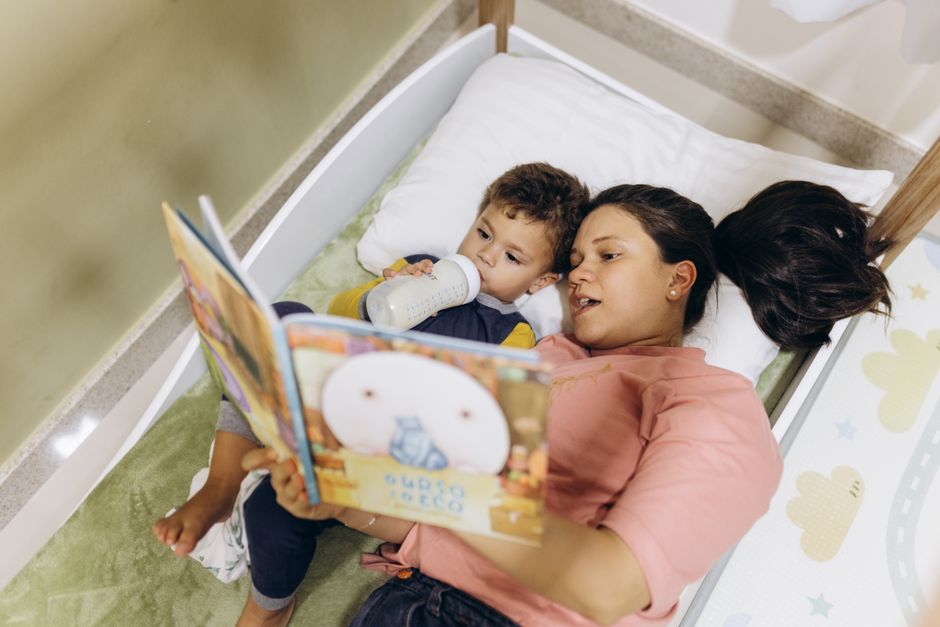
The best kids’ sleep routine is short, repeatable, and boring in the best possible way. Start the same wind-down sequence at roughly the same time each night, protect the final 30 minutes from screens and rough play, and keep your response to stalling calm and brief. Tools can support the plan, but no clock or sound machine can replace a stable schedule.
Sleep needs vary by age. The American Academy of Sleep Medicine recommends 10 to 13 hours for children ages 3 to 5, 9 to 12 hours for ages 6 to 12, and 8 to 10 hours for teenagers. Those totals include naps where appropriate. Use the AASM sleep ranges as a starting point, then adjust the bedtime so your child can wake at the needed morning time without losing sleep.
2. Build a 30-minute wind-down that children can predict
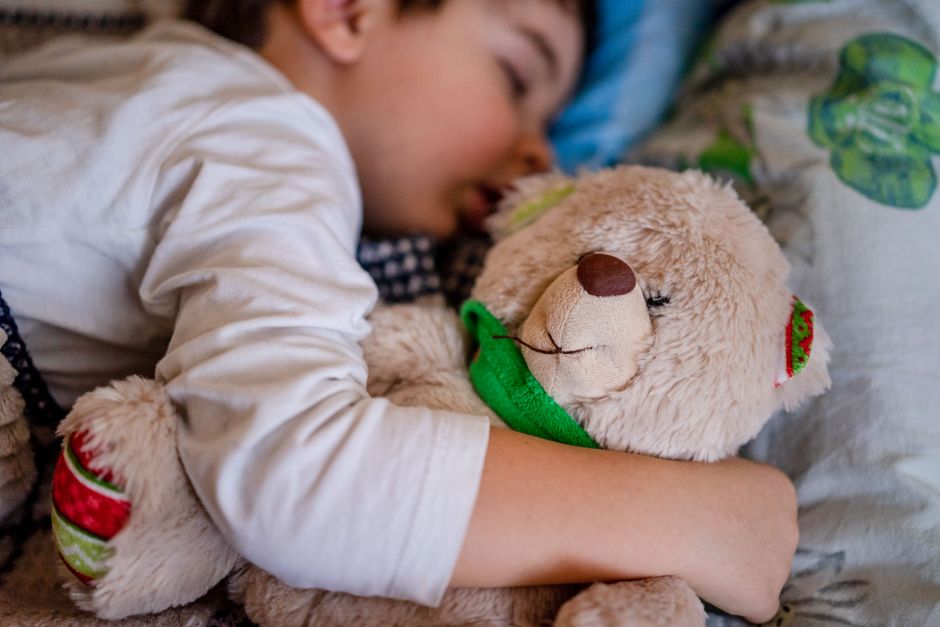
A calm routine works because it removes decisions. The child does not need to negotiate what happens next; the sequence already answers that question. The American Academy of Pediatrics promotes the simple “Brush, Book, Bed” pattern, while the NHS suggests beginning a wind-down around 30 minutes before sleep.
| Minutes before lights-out | Routine step | What the parent does |
|---|---|---|
| 30 | Finish screens and active play | Dim lights, put devices on a charger outside the bedroom, and offer water. |
| 25 | Washroom and pajamas | Give two small choices: blue or gray pajamas, toilet before or after teeth. |
| 15 | Brush teeth and tidy | Keep the task moving without adding new chores. |
| 10 | Read together | Choose one short book or two familiar pages from a longer book. |
| 2 | Final connection | Use the same goodnight phrase, hug, and lights-out cue. |
Keep the sequence short enough to survive busy nights
A routine with nine steps often becomes a negotiation. Four or five steps are enough. The order matters more than the theme. Bath, pajamas, teeth, book, and bed can work. So can washroom, pajamas, reading, and bed. Pick the version your family can repeat on ordinary Tuesdays, not only on calm weekends.
Make the last five minutes quiet
Save questions about school, worries, and tomorrow for a short check-in before the final book. After the goodnight cue, answer only genuine needs. A calm “You are safe. It is sleep time. I will check once in five minutes” works better than a long explanation at the bedroom door. See the AAP bedtime routine guidance for age-specific ideas.
3. Remove the three bedtime triggers that keep kids alert
Most difficult evenings do not need a complex sleep program. They need fewer triggers. Focus on light, stimulation, and uncertainty.
- Bright screens: Stop tablets, phones, gaming, and television 30 to 60 minutes before bed. Charge devices in a shared space. If a child needs an audio story, choose a device that does not display a glowing feed.
- Rough play: End wrestling, chasing, and competitive games before the routine begins. Replace them with drawing, a puzzle, quiet building, or a warm bath. The goal is not silence. It is a lower gear.
- Unclear limits: Decide in advance how many books, drinks, and door checks happen. State the limit before lights-out. Children often ask for one more thing because the boundary keeps moving, not because they need another glass of water.
Use the bedroom for sleep
Keep homework, gaming, and long daytime lounging outside the bed when possible. This helps the child link the bed with sleep rather than negotiation or entertainment. Keep the room comfortably cool, use blackout curtains if early light causes wake-ups, and choose a dim amber night-light if darkness creates fear.
Handle night waking without adding energy
Use low light and few words. Walk the child back, repeat the same phrase, and leave. Do not start a new story, offer a snack every time, or begin a family discussion at 2:00 a.m. The NHS guidance for young children also recommends keeping night responses as uneventful as possible.
4. My strong recommendation: use a visual cue before buying a sleep gadget
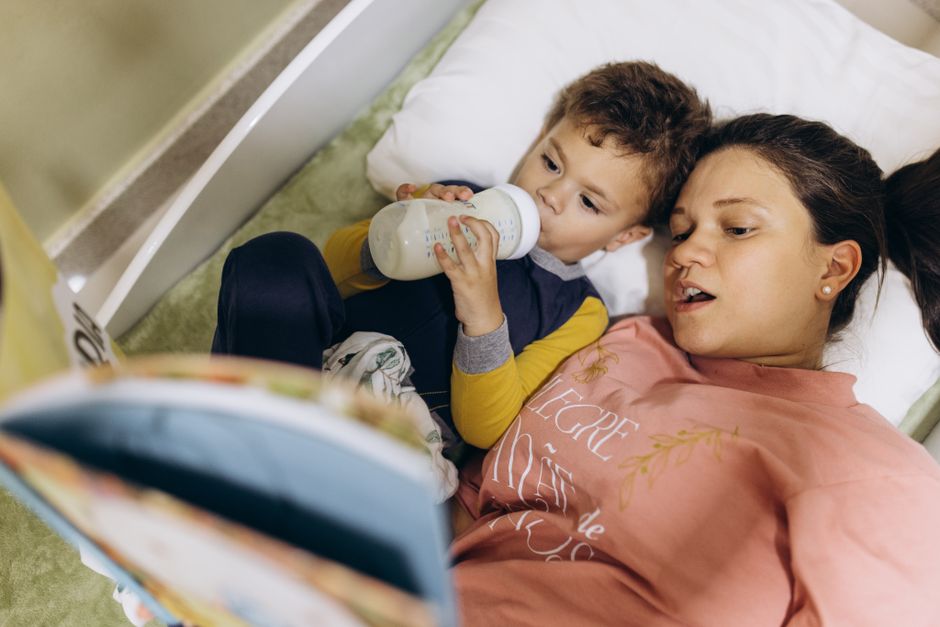
Buy a simple visual cue only after the routine itself is stable. A clock or sound machine can reduce repeated questions, but it cannot repair an overly late bedtime, a long nap, or a stimulating bedroom. For most families, a paper bedtime chart and a dim lamp are enough.
When a time-to-rise clock earns its place
A visual clock helps children who wake early and cannot tell whether it is morning. The LittleHippo Mella Ready to Rise is listed around $49.99 at major retailers and uses colored facial cues to show sleep, wake-up, and quiet time. It suits toddlers and preschoolers who understand colors but cannot read a clock. Set the wake cue to a realistic time. A glowing face at 6:00 a.m. will not solve a child who is chronically overtired.
When a sound machine earns its place
The Hatch Rest 2nd Gen is listed at $69.99 on Hatch’s site and combines a night-light, sound machine, and time-to-rise cue. The Yogasleep Hushh+ costs $49.99 on the manufacturer’s site, offers more than 20 sounds, and claims up to 20 hours of battery life. For travel, the Hushh+ is the better pick because it is compact and rechargeable. For a fixed bedroom, the Hatch Rest is the more useful all-in-one choice.
Keep any sound machine at a low, comfortable level and place it away from the child’s head. Do not buy a gadget if your child already sleeps well. Spending $50 to $70 on a device that adds another button to bedtime is not progress.
6. Know when a routine problem may be a health problem
A bedtime routine is useful for ordinary resistance. It is not a treatment for breathing problems, chronic pain, severe anxiety, or a sleep disorder. Ask a pediatric clinician for guidance if your child snores loudly and often, gasps, pauses in breathing, struggles to breathe, wakes with headaches, or remains unusually sleepy during the day.
Red flags to record for the clinician
- Nightly loud snoring rather than occasional snoring during a cold.
- Gasping, choking, pauses, heavy sweating, or unusual breathing effort.
- Repeated night terrors, sleepwalking that creates safety risks, or persistent bedwetting after a change in sleep.
- Daytime sleepiness, major mood changes, poor concentration, or difficulty waking.
Do not use melatonin as the first fix
Melatonin is not a substitute for a schedule, and child dosing deserves medical guidance. Keep supplements locked away because accidental ingestion can happen. Start with timing, light, routine, and the sleep environment. If those steps fail after consistent use, bring a two-week sleep log to the child’s clinician. Include bedtime, estimated sleep time, wake time, naps, night waking, snoring, and screen use.
Frequent snoring with gasping or breathing pauses deserves medical attention. The Children’s Hospital of Philadelphia guidance on child snoring explains why repeated symptoms should not be dismissed as a behavior problem.
7. The final comparison: choose the smallest routine that solves the real problem
The winning routine is the one your family can repeat when everyone is tired. Start without products. Add one tool only when it solves a specific problem, such as early waking, travel, or a bedroom that needs steady background sound.
| Problem | Best first move | Optional tool | Clear verdict |
|---|---|---|---|
| Bedtime takes too long | Use a four-step, 30-minute routine with fixed limits. | None | Skip the gadget. The routine needs fewer negotiations. |
| Child wakes before the agreed time | Set a consistent wake time and use a visual cue. | LittleHippo Mella, about $49.99 | Best for preschoolers who understand colors. |
| Noise from siblings or the street interrupts sleep | Reduce room noise and keep the device away from the bed. | Hatch Rest 2nd Gen, listed at $69.99 | Best fixed-room option when a night-light and clock are useful. |
| Sleep routine must travel | Repeat the same book, phrase, and lights-out order away from home. | Yogasleep Hushh+, $49.99 and up to 20 hours of battery life | Best portable sound option, but not required. |
| Loud snoring or breathing pauses | Contact a pediatric clinician. | No sleep gadget | Medical assessment comes first. |
For most families, the best starting plan is simple: protect the wake time, begin a 30-minute wind-down, remove screens, read one familiar book, and respond to stalling with calm repetition. Give that plan 10 to 14 nights before making major changes. The routine is the intervention. Products are only supporting actors.
Medical Disclaimer: This content is for informational purposes only and does not constitute medical advice. Always consult a qualified healthcare professional before making health-related decisions.