Changing toothpaste sounds like the smallest possible household decision. In practice, it can expose every weak point in the brushing routine: hurried mornings, children who expect a mountain of foam, adults who brush on autopilot, and a travel bag that is never packed until the taxi is outside.
A useful reset does not begin by declaring one tube the answer to every dental concern. It begins by separating the product from the habit. Toothpaste can support a routine, but the routine still has to place soft bristles where plaque collects, last long enough to cover the whole mouth, and happen consistently when the family is tired, late, or away from home.
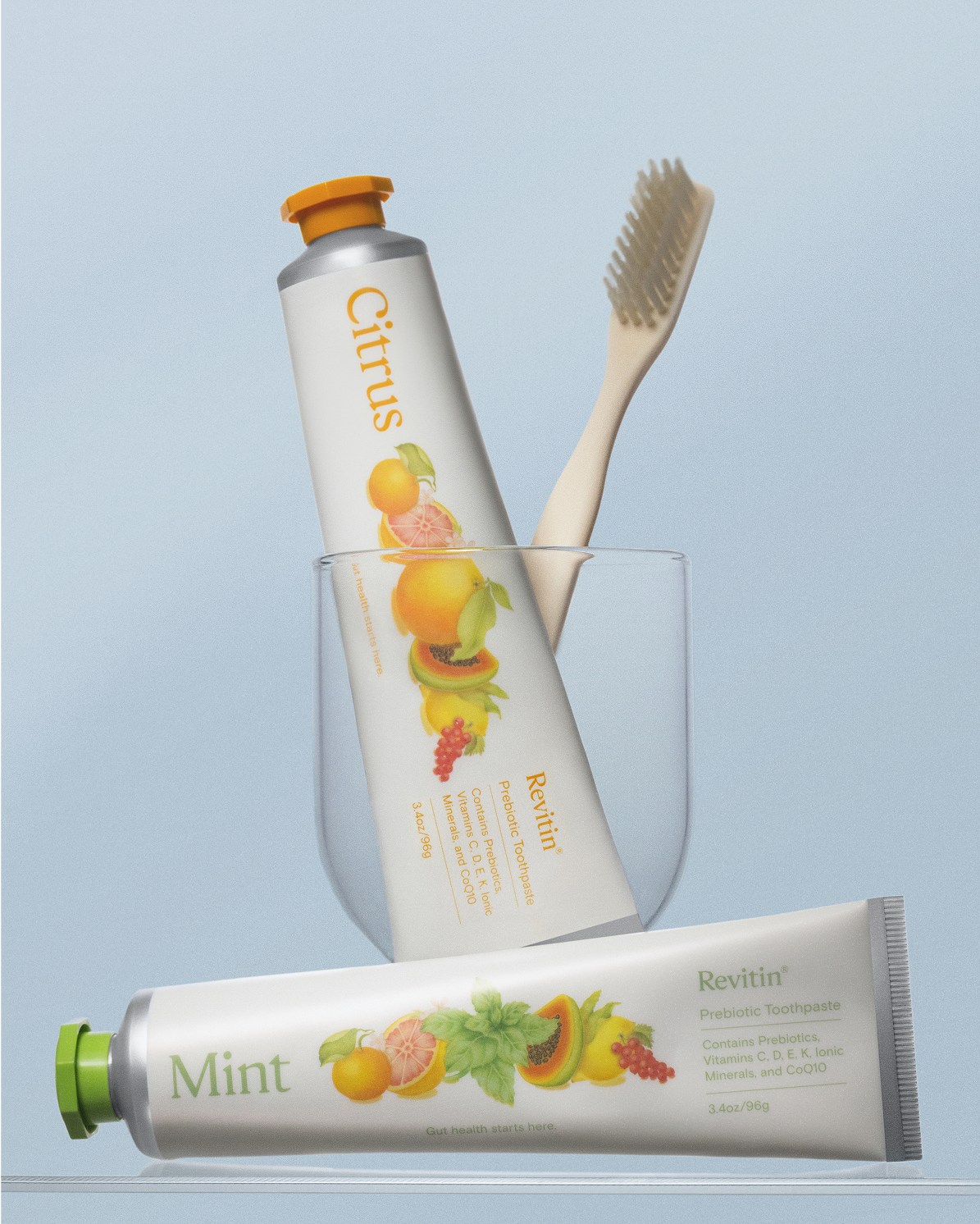
Revitin takes a noticeably different route from many conventional pastes. The brand describes its formula as fluoride-free and SLS-free, with prebiotic nutrients, vitamins, minerals, CoQ10, cranberry seed oil, and naturally derived flavours. That makes it an interesting option for households specifically looking for a lower-foam, microbiome-focused product. It also means the first few brushes may feel unfamiliar. The goal of this guide is to make that transition practical rather than dramatic.
Start with the bathroom, not the tube
Before changing products, watch one ordinary brushing session. Do not improve it yet. Notice where the brush is stored, whether the bristles can dry, how long everyone actually brushes, and which part of the mouth gets the least attention. A new toothpaste cannot solve a brush that is worn flat or a routine that ends after forty seconds.
The most effective household changes are usually physical. Put the toothbrushes where they are easy to reach. Give each one enough air. Move the timer within sight. Keep a small cup available for anyone who needs it. If a younger child requires hands-on help, leave space for an adult to stand beside or behind them without twisting both people into the sink.
Expect less foam, not less work
SLS is a detergent commonly used to create foam. Revitin does not contain it, so the mouth may not fill with bubbles in the way some people expect. Foam is a sensory signal, not a stopwatch and not proof that every tooth surface has been reached. When the signal changes, replace it with a better one: a sequence.
Divide the mouth into four zones. Begin in a different zone every few days so the same area is not always left until last. Angle the bristles gently toward the gumline, use small controlled movements, and let the brush do the contacting rather than pressing harder to compensate for the quieter texture. Spit when finished and follow the directions given for the product and by your dental professional.

A two-minute sequence everyone can follow
Families do not need identical technique, but a shared order reduces negotiation. The sequence below is simple enough for an adult to demonstrate and specific enough to reveal where time is disappearing.
0:00-0:30: outer surfaces
Use light pressure along the cheek-facing surfaces. Move methodically from one side to the other instead of jumping toward the teeth that feel easiest to reach.
0:30-1:00: inner surfaces
Turn the brush for the tongue-facing surfaces, including the narrow space behind the front teeth. This is where a smaller brush head can make the routine less awkward.
1:00-1:30: chewing surfaces
Slow down over grooves in the molars. Children often race through this section even though the back teeth are the hardest for them to inspect.
1:30-2:00: missed edges
Return to the gumline and the last molars, then clean the tongue gently if that is part of the routine recommended for you.
Choose flavour for cooperation, not novelty
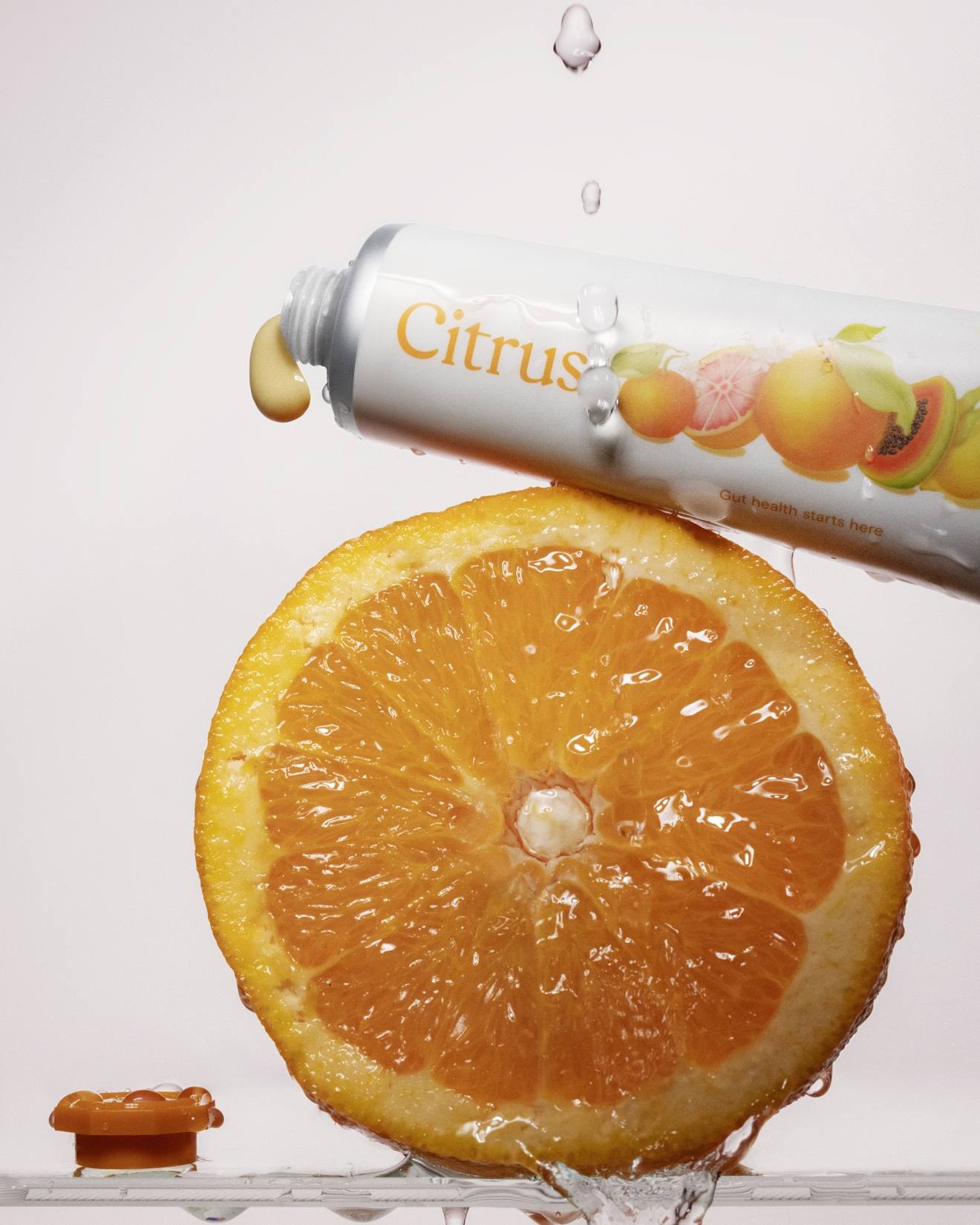
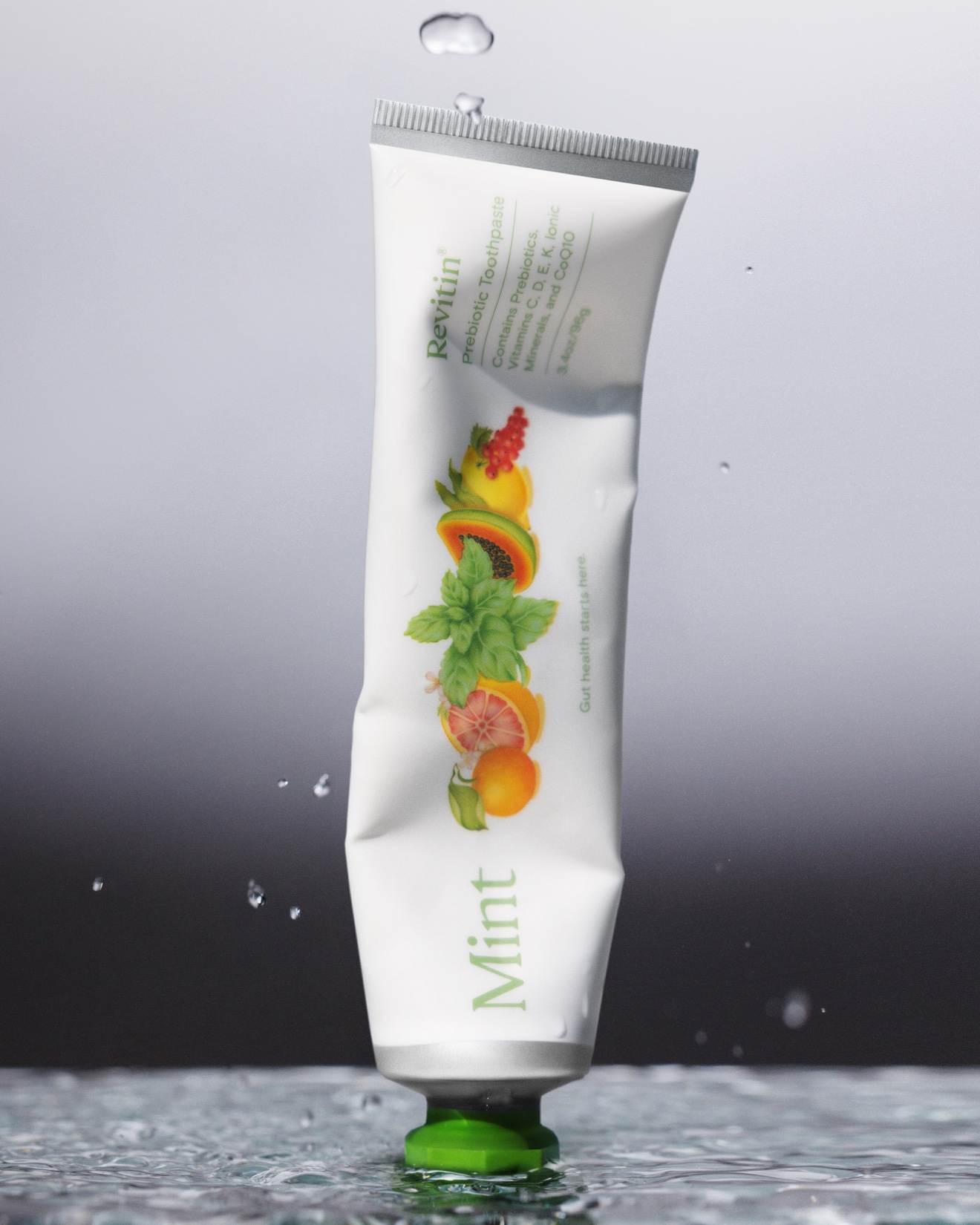
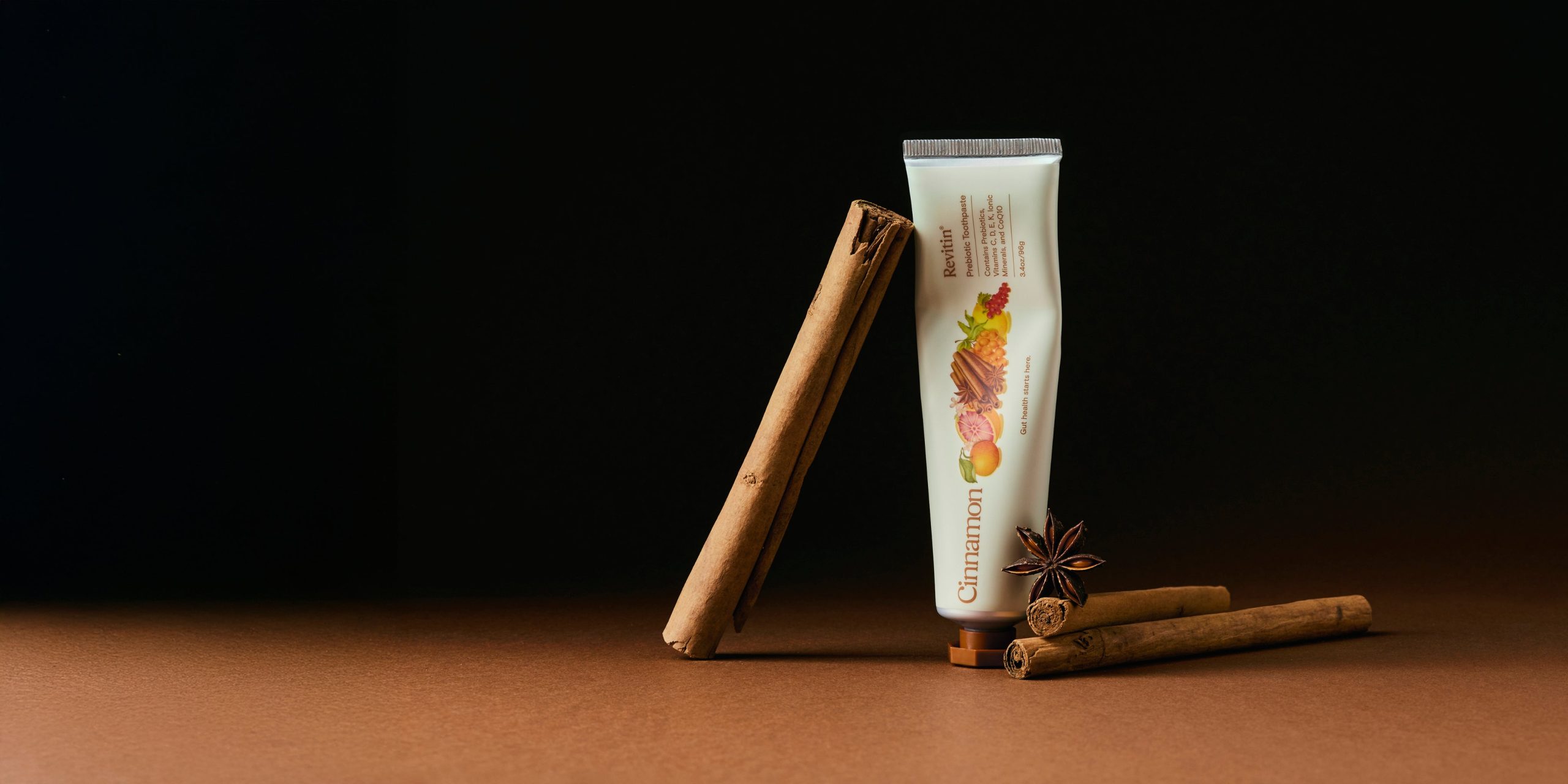
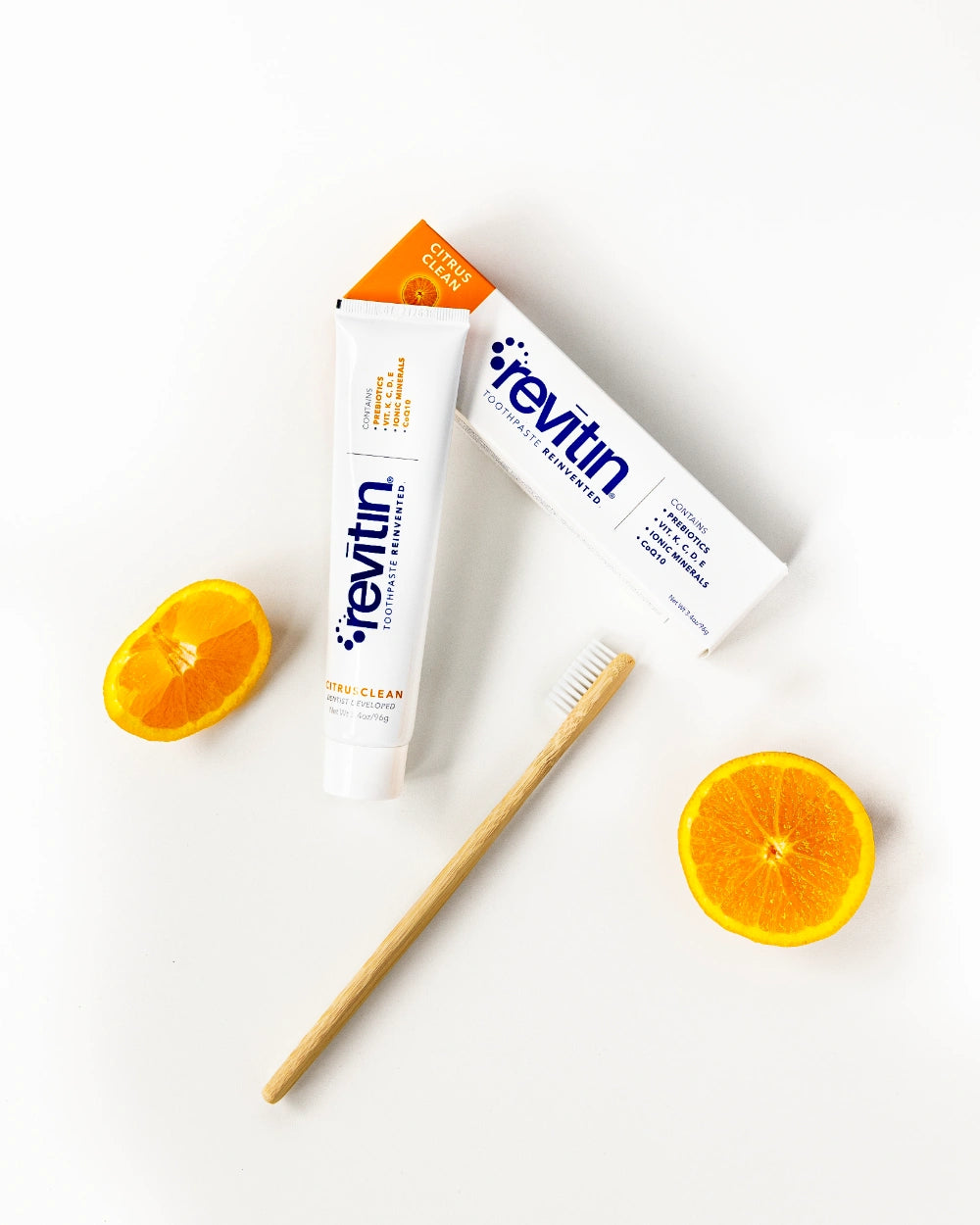
A toothpaste can have an excellent ingredient list and still sit unused if the flavour turns brushing into an argument. Revitin currently offers citrus and mint options. Treat that choice as a routine decision, not a personality test. Citrus may appeal to someone who dislikes sharp mint; mint may feel more familiar to another family member. A mixed household does not need one universal tube.
Introduce the new flavour on a calm evening rather than during the busiest school morning. Use the normal amount recommended for that person’s age and dental plan. Explain that the texture and foam may feel different. Avoid promising that everyone will love it immediately. Two or three ordinary uses give a better answer than one highly supervised trial.
Keep adult supervision specific
“Brush properly” is too vague to help a child. Give one observation at a time: reach the back tooth, slow down near the gumline, or turn the brush for the inside surface. Younger children may need an adult to complete the brushing after they have had their own turn. The hand skills required to clean every surface develop gradually, and independence should not be confused with complete technique.
Store toothpaste where the appropriate adult can control the amount for children who are likely to use too much. Revitin states that its formula is safe if swallowed, but that does not remove the need for supervision or individual dental advice. A product label answers what is in the tube; a dentist answers what a particular child’s teeth, enamel, cavity history, diet, and local water supply require.
The fluoride conversation belongs with your dentist
Revitin is fluoride-free. Fluoride recommendations vary with age, cavity risk, medical history, diet, and local water exposure. If you are considering a fluoride-free toothpaste for a child, someone with active decay, braces, dry mouth, enamel changes, or frequent sensitivity, discuss the choice with a qualified dentist. This article is general household guidance and is not a substitute for personalised dental care.
Make morning and evening feel different
The morning routine is usually about speed. Prepare it the night before: brushes upright, timer ready, toothpaste easy to identify. Keep the order fixed – toilet, wash, brush, dress, or whatever sequence fits the household. The less the family has to decide, the less likely brushing becomes the step that disappears.
The evening routine can be slower and more diagnostic. Look at the brush head. Ask whether any spot felt tender. Check whether a child is avoiding one side. Put the travel tube back if it was borrowed. A calm evening check catches small routine failures before they become the new normal.
Protect the routine when the family travels
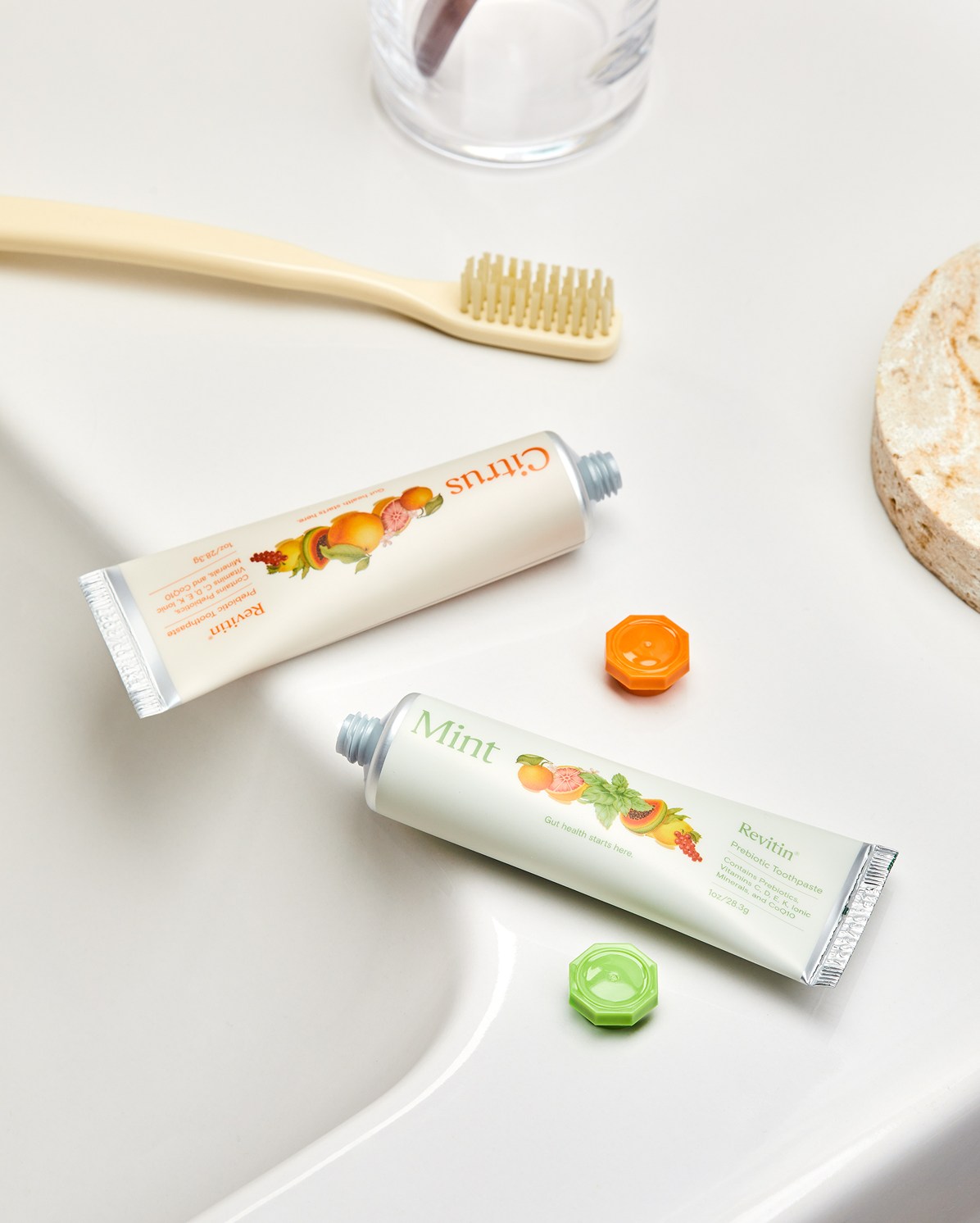
Travel breaks habits because the objects and cues move. Pack the toothbrush and toothpaste together in a ventilated case. Put the kit in hand luggage when possible. On the first night, place it beside the sink before anyone gets tired. If children move between two homes, duplicate the basic setup rather than expecting the brush to travel perfectly every time.
A travel routine should be smaller, not looser. Keep the same two-minute sequence and the same supervision. What can change is the equipment: a compact tube, a folding cup, or a manual brush instead of an electric one. Consistency comes from the order of actions, not from recreating the entire home bathroom.
The seven-day routine audit
At the end of a week, judge the system rather than searching for a dramatic result. Did brushing happen twice a day more consistently? Did anyone stop early because the flavour or texture felt wrong? Was the tube easy to control? Did the quieter foam make people rush, or did the timer replace that cue successfully?
A gentle-brushing reset is successful when the product and the routine stop competing for attention. The paste should be easy to reach, the flavour should not create resistance, and the household should know what two minutes of useful brushing actually looks like. That is a more durable goal than chasing the strongest foam or the newest claim on a box.
Compare the current Revitin options. Review citrus, mint, full-size, and travel-size choices along with the complete ingredient list before deciding whether the formula fits your household.