A toothpaste label is short enough to read while standing in a shop, yet difficult enough to send most people back to the front of the box. Familiar words sound reassuring. Unfamiliar words sound suspicious. Neither reaction tells you what an ingredient is doing in the formula.
The practical approach is to sort the list by function. Every toothpaste needs a base, a cleaning system, flavour and texture support, and a reason for any added active or nutritional ingredients. Revitin adds another category: ingredients the brand describes as supporting the oral microbiome. Reading those groups separately makes the formula easier to evaluate without turning one ingredient into a miracle.
This field guide uses Revitin’s current citrus and mint ingredient information as a real label example. It does not grade the formula for every person. Tooth decay risk, gum health, dry mouth, sensitivity, age, medication, diet, and fluoride exposure can change what a dentist recommends.
Read in four passes instead of one
Ingredient lists are ordered by formula conventions and concentration, not by how understandable the words are. Reading from top to bottom without a system can make a common thickener seem more important than the entire cleaning base. Four passes create a clearer picture.
The base is not filler
Revitin lists vegetable glycerin, water, calcium carbonate, dental silica, and xanthan gum among the structural parts of its formulas. Glycerin helps retain moisture so the paste does not dry out in the tube. Water carries and blends ingredients. Xanthan gum controls consistency. Calcium carbonate and dental silica contribute to the physical cleaning and polishing system.
This is useful context because “natural” does not mean a product can skip formulation. A paste still needs to stay stable, leave the tube predictably, spread across the brush, and contact tooth surfaces without becoming either watery or cement-like. The better question is not whether an ingredient name sounds domestic. It is whether its role is clear and whether the complete formula suits the user.
What “prebiotic” means on this label
In food, a prebiotic is generally understood as a substrate used by beneficial microorganisms. Oral-care language applies that idea to the ecosystem in the mouth. Revitin presents cranberry seed oil and Chondrus crispus, a seaweed-derived ingredient, as prebiotic components intended to support a balanced oral environment rather than simply pursuing a stronger detergent effect.
That distinction matters, but the word should not carry more weight than it can hold. “Prebiotic” on a toothpaste does not guarantee a particular clinical result for every user. It describes the formula’s approach. Daily technique, diet, saliva flow, professional cleaning, existing disease, medication, and consistency remain part of the real picture.

Cranberry seed oil
Revitin describes cranberry seed oil as a prebiotic nutrient that supplies essential fatty acids and supports the oral environment. On the label, treat it as a supporting oil rather than the cleaning base.

Chondrus crispus and plant ingredients
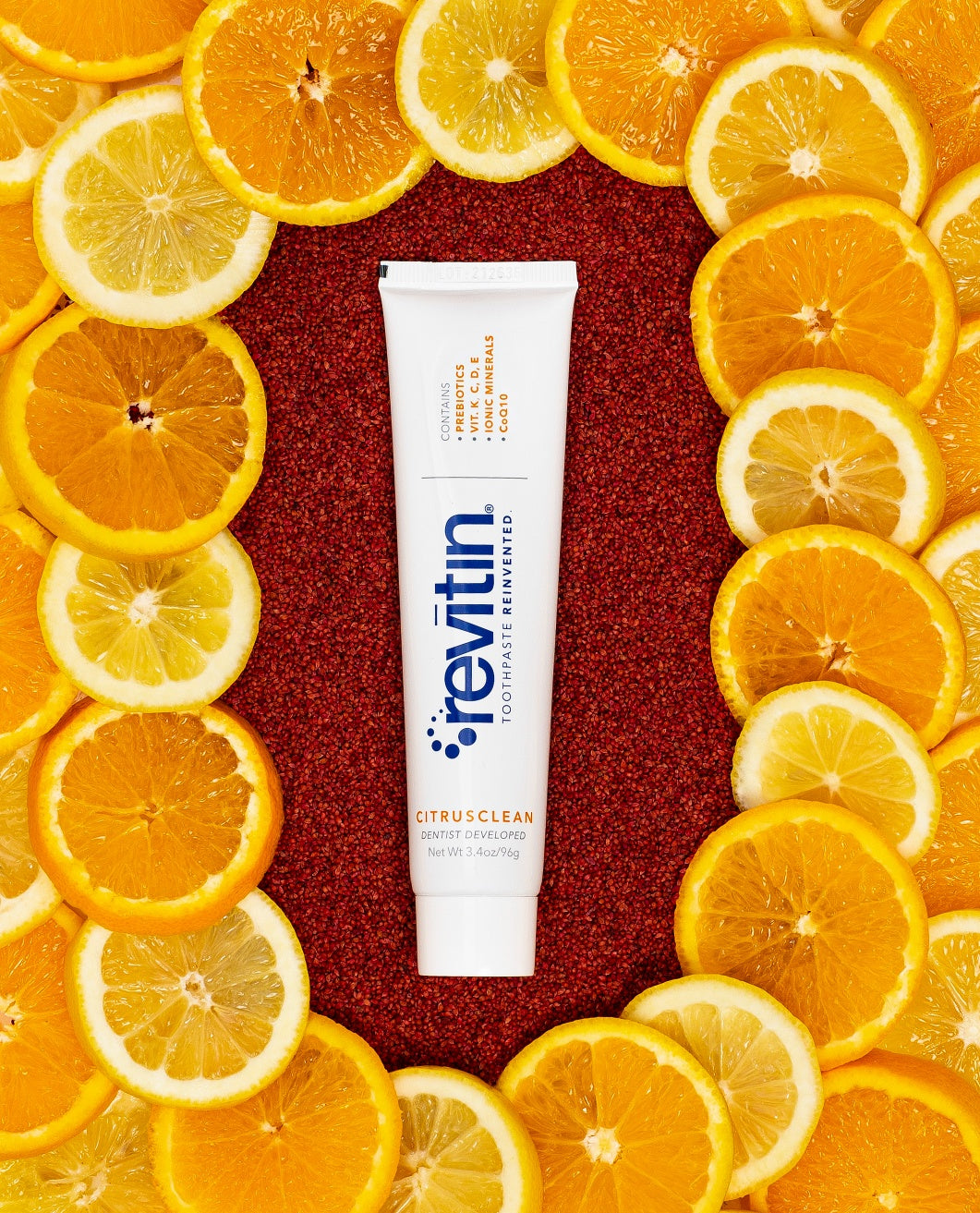
Chondrus crispus is seaweed used for both texture and the formula’s prebiotic positioning. Fruit and botanical imagery helps explain the product visually, but the ingredient list remains the authoritative reference.
The cleaning system deserves its own line
A toothpaste still has to help remove debris and surface film. Revitin uses calcium carbonate and hydrated dental silica as mild abrasive or polishing components. Quillaja saponaria extract is presented as a natural lifting and foaming agent. The result may feel different from a paste built around sodium lauryl sulfate, commonly shortened to SLS.
Less dramatic foam does not mean the brush can move faster. Mechanical contact remains central. Brush gently and systematically for the time recommended by your dental professional. If a product causes persistent irritation, discomfort, unusual sensitivity, or a reaction, stop using it and seek advice rather than trying to “push through” an adjustment period.
| Label group | Examples in Revitin | Question to ask |
|---|---|---|
| Base and texture | Vegetable glycerin, water, xanthan gum | Does the paste spread and rinse in a way I can use consistently? |
| Physical cleaning | Calcium carbonate, dental silica | Is this suitable for my enamel, sensitivity, restorations, and brushing pressure? |
| Lifting and foam | Quillaja saponaria extract | Am I judging cleaning by foam, or by a complete brushing sequence? |
| Prebiotic positioning | Cranberry seed oil, Chondrus crispus | What does the manufacturer claim, and what result do I personally need? |
| Flavour | Tangerine, lemon, spearmint, vanilla | Will the flavour make regular brushing easier or harder? |
Vitamins and CoQ10: supporting ingredients, not shortcuts
Revitin highlights vitamins C, D, E, and K2 along with CoQ10 and MSM. The brand connects these ingredients with antioxidant support, mineralisation, gum tissue, and the wider oral environment. Those are manufacturer descriptions of why the ingredients are included. They should not be translated into a promise that toothpaste alone will correct bleeding gums, rebuild damaged enamel, or treat periodontal disease.
The useful label-reading move is to ask where an ingredient sits in the total routine. A nutrient can be part of a thoughtful formula while brushing technique, interdental cleaning, diet, saliva, smoking status, health conditions, and dental treatment continue to matter. If a symptom is ongoing, the next step is an examination, not a more elaborate ingredient list.

Vitamins C, D, E, and K2
The formula uses several vitamins as part of its nutrient-focused approach. Their presence is one characteristic of the product; it does not replace dietary adequacy or professional care.
CoQ10 and MSM
Revitin describes CoQ10 and MSM in relation to tissue and inflammatory pathways. Consumers should read those descriptions as product information, not as permission to self-treat swelling, pain, sores, or gum disease.
Read the “free from” list with the same care
Revitin states that its current formula is free from fluoride, SLS, gluten, dyes, peanuts, sugar, xylitol, and GMOs. A list like this is helpful when a person is avoiding a specific ingredient, but absence is not automatically superiority. Each omission answers a different question.
SLS affects detergent action and foam. Dyes affect colour. Sugar and sweeteners relate to taste and formulation. Gluten and peanuts matter to people managing particular allergies or sensitivities. Fluoride is different because it is part of mainstream cavity-prevention guidance for many people. Choosing a fluoride-free formula should be an individual decision made with cavity risk and professional advice in view.
Do not let the side panel replace a dental plan
Ask a dentist before changing to a fluoride-free toothpaste for a young child or for anyone with active cavities, repeated decay, braces, dry mouth, enamel defects, extensive restorations, or a history of gum disease. This guide explains a label and is not a substitute for diagnosis, preventive advice, or personalised dental treatment.
Mint and citrus are not identical labels
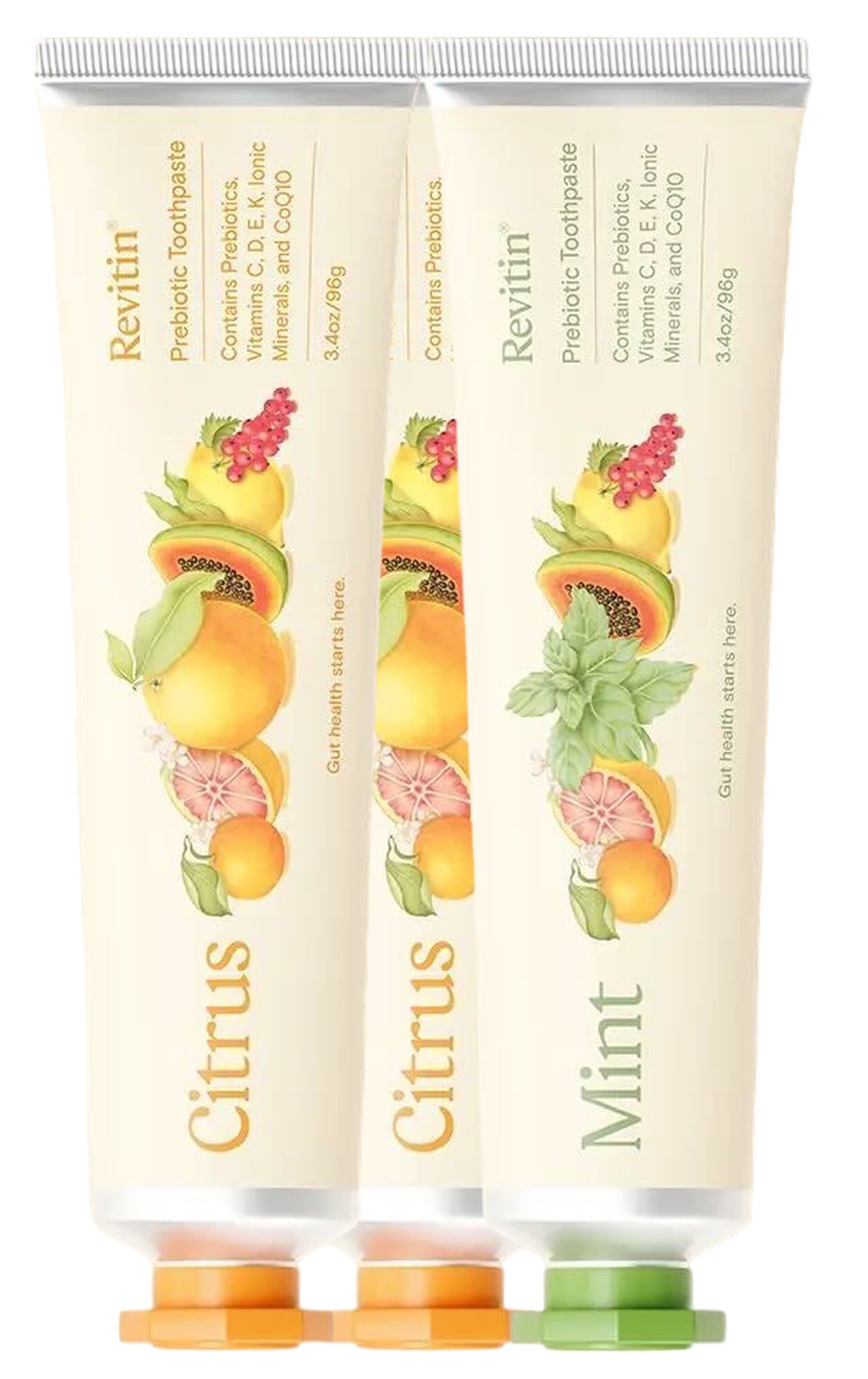
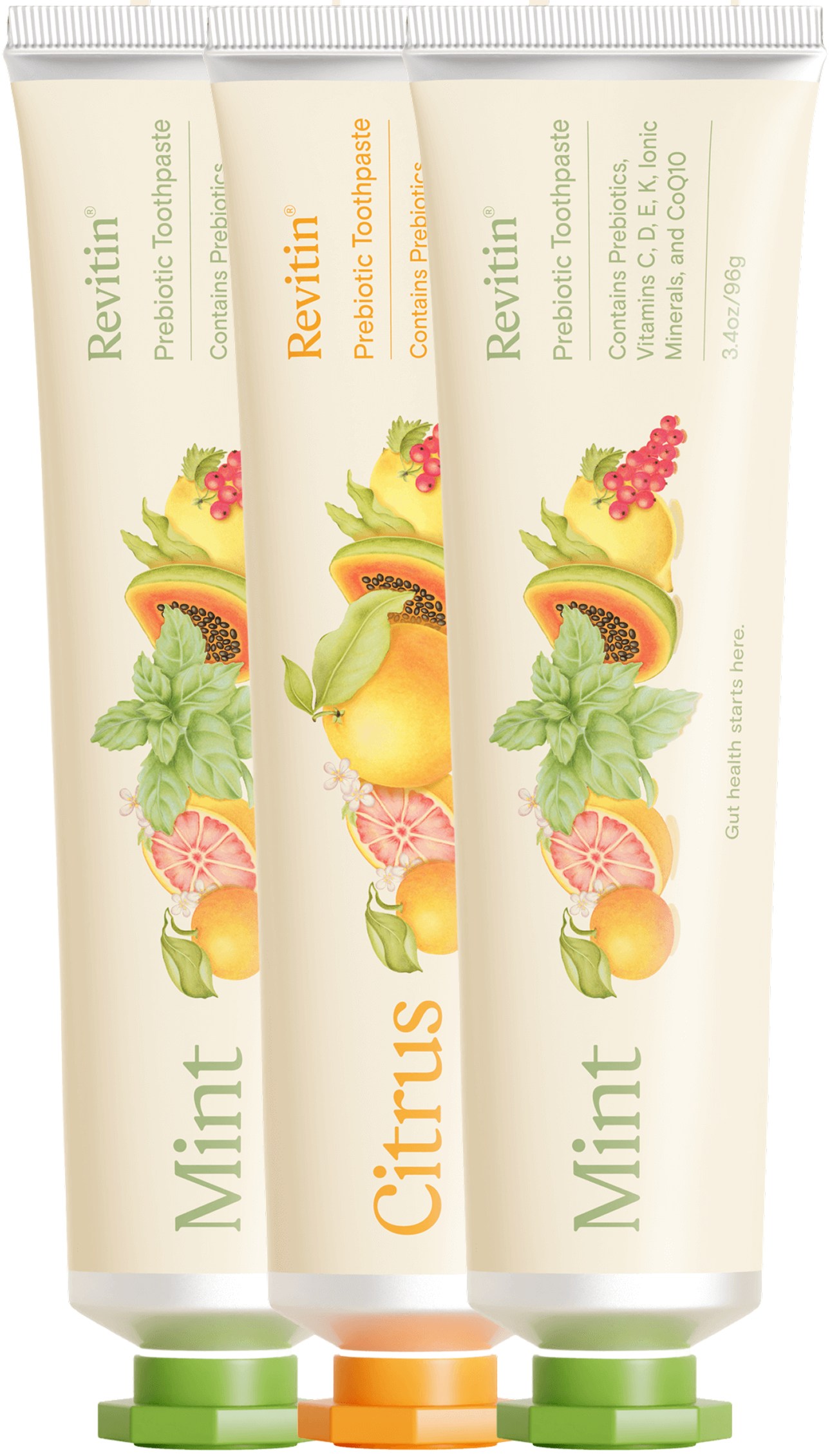
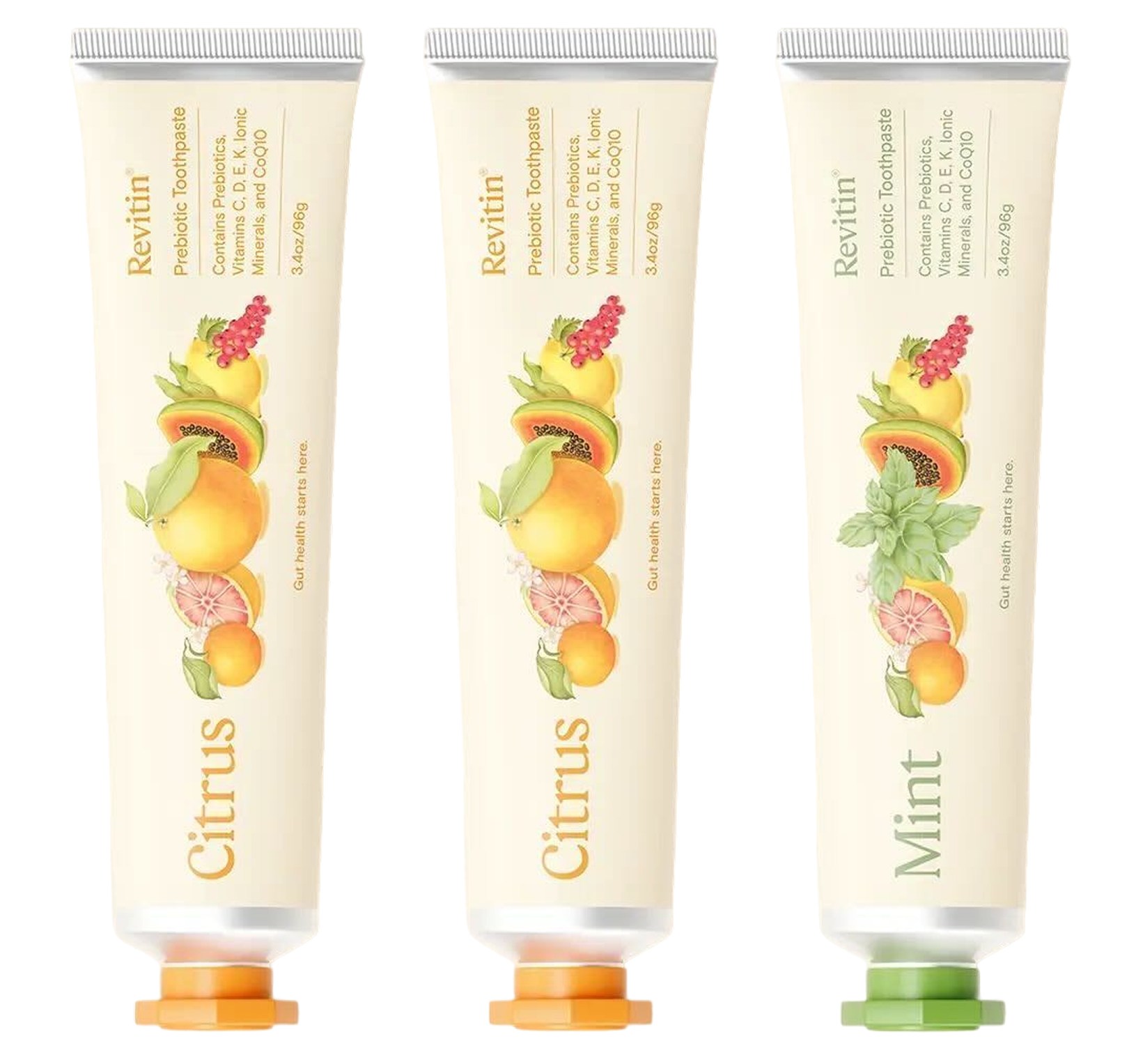
The citrus version uses tangerine and lemon oils for flavour. The mint version uses spearmint and includes ingredients such as sea buckthorn and vanilla in the current list. Product formulas can change, so read the tube and official listing you are actually buying. Do not assume that a review of one flavour automatically covers the other.
For a household, flavour can be a compliance issue. Someone who finds strong mint uncomfortable may prefer citrus. Another person may associate mint with a clean finish and dislike fruit flavours. If several people use different tubes, mark or store them clearly so the choice remains intentional rather than becoming whichever cap is closest.
Five questions worth taking to the shelf
What is my actual reason for switching?
Write down the problem in plain language: dislike of strong foam, flavour preference, ingredient avoidance, dry-mouth comfort, or curiosity about the microbiome approach.
Which claim comes from the manufacturer?
Keep product descriptions attached to their source. A brand can explain its formulation; your own dental condition still needs individual assessment.
What remains unchanged?
Two deliberate brushing sessions, interdental cleaning as advised, sensible sugar frequency, regular examinations, and attention to new symptoms still matter.
Does this variant suit the user?
Check flavour, texture, allergies, age, supervision needs, and the amount recommended by a qualified professional.
When will I review the decision?
Routine comfort can be reviewed after several uses. Dental outcomes should be discussed over an appropriate interval with the professional who knows your mouth.
A good label reading ends with fewer mysteries, not bigger promises. Revitin’s formula is distinctive because it combines an SLS-free cleaning system with prebiotic positioning, plant oils, vitamins, minerals, and two flavour routes. That may make it a useful option for some households. The label tells you how the product is built; your habits and dental history tell you whether it belongs in the routine.
Read the complete current formula. Compare the official citrus and mint ingredient lists, available sizes, and usage information before making a household choice.