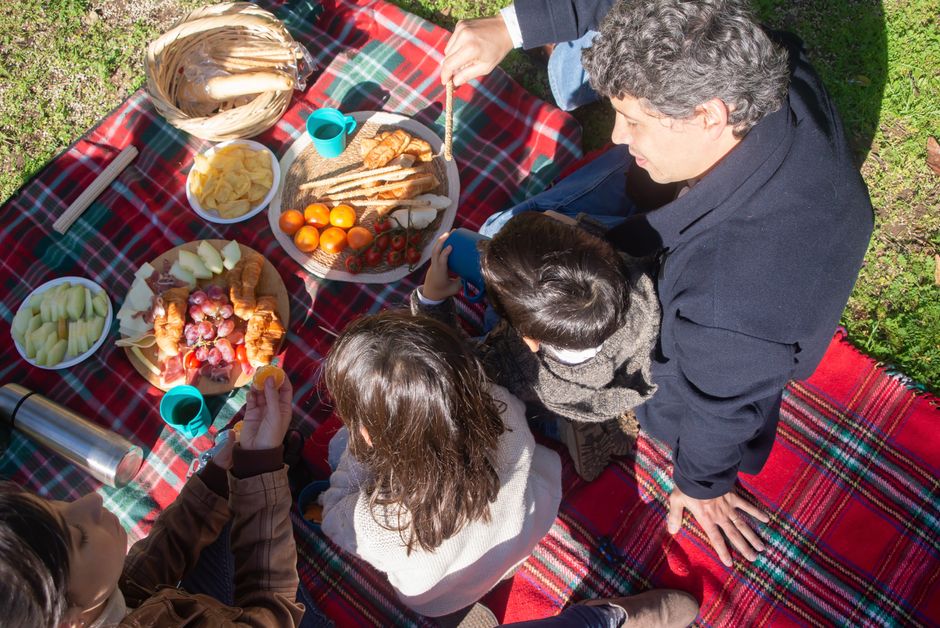
A common misconception is that healthy picnic food must mean a limp salad, warm hummus, or plain raw vegetables. The real problem is poor planning: foods with too much moisture lose texture, chilled foods warm too quickly, and large shared dishes sit out longer than anyone expects. A better picnic uses sturdy ingredients, small portions, separate sauces, and a clear serving clock.
This guide focuses on general United States food-safety guidance. No state laws are discussed here, and local health rules may differ for organised events or commercial food service.
Why Healthy Picnic Food Goes Bad in Warm Weather
Temperature changes bacteria growth
Perishable foods need temperature control from the moment they leave the refrigerator. That clock includes travel, setup, serving, and the time a container sits open on the blanket.
That rule applies to more than meat. Cooked grains, cut melon, dairy dips, egg dishes, chicken salad, soft cheese, and cooked beans can all become risky as they warm. Pack them cold, keep the cooler shaded, and bring smaller portions so the main supply stays chilled.
Moisture changes texture
Heat is only half the problem. Water moves between ingredients while food sits. Salt draws water from tomatoes and cucumbers. Dressing softens lettuce. Ice melts into containers. The result may still look wholesome, but it tastes flat and feels soggy.
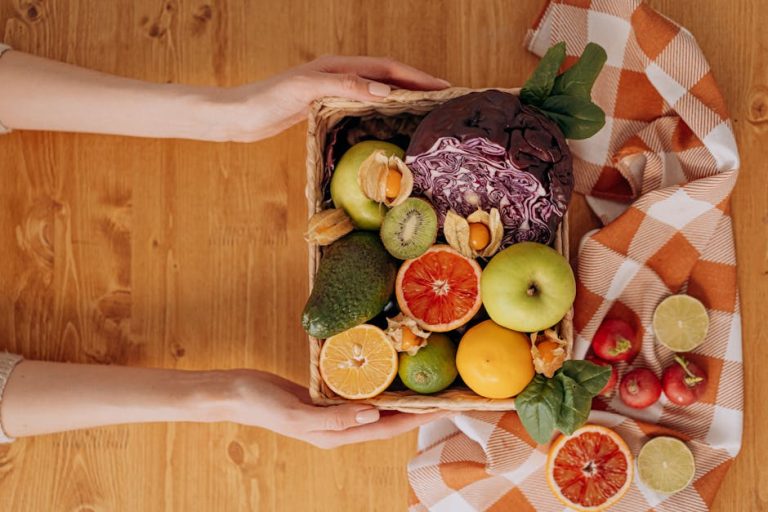
Use firm produce such as carrots, snap peas, radishes, grapes, apples, and bell peppers. Cook grains until tender but not soft. Drain canned beans well. Store vinaigrette, yogurt sauce, salsa, and hummus in separate sealed containers. Add them immediately before eating.
The first principle: build around stability
The best picnic meal is not the most elaborate one. It is the meal that stays safe and appetizing after travel, handling, and a warm afternoon. Pair one sturdy carbohydrate with protein, colourful produce, and a controlled amount of fat. Whole-grain pita, chickpeas, roasted vegetables, grapes, and a lemon dressing usually hold up better than a fully assembled creamy pasta salad.
For a reliable safety reference, review the USDA outdoor food-safety guidance before packing foods for a long outing.
How to Build a Balanced Picnic Box Without Guesswork

A five-part formula
Start with a simple structure instead of collecting random snacks. Each person needs enough food to feel satisfied, but a picnic does not need to resemble a catered buffet. The following sequence creates variety while keeping preparation manageable.
- Choose one filling base. Pack whole-grain wraps, quinoa, barley, roasted potatoes, or whole-grain crackers. Aim for about 1 cup of cooked grains or 1 medium wrap per adult.
- Add two colourful plants. Use one crisp item, such as snap peas or peppers, and one sweet item, such as berries, grapes, peaches, or melon.
- Pack one fat-based flavour. A tablespoon or two of tahini dressing, guacamole, olives, pesto, or nut butter adds richness. Keep it separate so it does not soften the meal.
- Bring water first. Carry plain water, sparkling water, or unsweetened iced tea before adding juice or soda. Warm days increase fluid needs, and sweet drinks can crowd out food that provides more lasting energy.
Use portions that match the outing
A short two-hour park visit needs less food than a six-hour beach day. For a light meal, pack one wrap or grain bowl, 1 cup of produce, a small protein portion, and one fruit. For a longer day, add a shelf-stable snack such as roasted chickpeas, unsalted nuts, or whole-grain crackers, then keep perishable foods in a separate chilled section.
Cut food into serving-size portions at home. This reduces repeated handling and lets people open only what they plan to eat. It also makes leftovers easier to judge. If a container has sat warm for too long, discard it rather than relying on smell or appearance.
Picnic Food Safety Timing: A Simple Temperature Table
Pack cold food before leaving
Refrigerate cooked foods overnight when possible. Pack them cold, not merely cool, and place frozen gel packs around the food rather than under only one container. A cooler works best when it stays full, remains closed, and sits in shade. Keep drinks in a separate cooler if possible because frequent opening warms the food cooler.
Separate safe food from serving risk
Do not place a serving spoon used for raw meat onto cooked food. Do not reuse a plate that held raw poultry or seafood unless it has been washed with hot, soapy water. Keep ready-to-eat foods above raw ingredients in the cooler, and use a clean utensil for each dish.
A small refrigerator thermometer can help if the outing is long. If the cooler has lost its ice and the food feels warm, the safest choice is to discard perishable items. Reheating does not always remove toxins that bacteria may have produced.
Which Picnic Foods Work Best for Different Weather?
What works on a mild day?
On a mild day, a chilled lentil salad with parsley, roasted peppers, cucumber, and lemon dressing is a strong choice. Keep the dressing separate until serving. Add whole-grain pita, grapes, and a small portion of feta for a complete meal. The lentils provide fibre and plant protein, while the crisp vegetables add contrast without relying on mayonnaise.
What works on a very hot day?
Choose foods with fewer fragile dairy and egg components. Pack peanut butter and banana whole-grain sandwiches, roasted chickpeas, whole apples, oranges, carrots, snap peas, and sealed water. If you bring chicken, eggs, yogurt, hummus, or cut melon, use a well-packed cooler and serve those foods first. My verdict for a hot beach day is a mostly shelf-stable menu with one small chilled meal, not six separate perishable dishes.
What works for children or mixed preferences?
Use a build-your-own box: whole-grain crackers, turkey or tofu cubes, cucumber rounds, berries, cheese cubes, and a small dip. Put each food in its own section so one disliked ingredient does not contaminate the rest. Skip foods that crumble into sand or require a knife. Whole fruit, mini wraps, and bite-size vegetables are easier to eat outdoors than a large dressed salad.
For mixed dietary needs, label containers before leaving home. A simple note such as “contains peanuts,” “vegetarian,” or “dairy-free” prevents guessing. The best menu is the one that gives each person a safe, satisfying option without forcing the entire group to eat the same dish.
What to Skip and How to Rescue a Warm Picnic
The fast decision
The opening misconception, resolved
Always consult a qualified healthcare professional before making health-related decisions.