
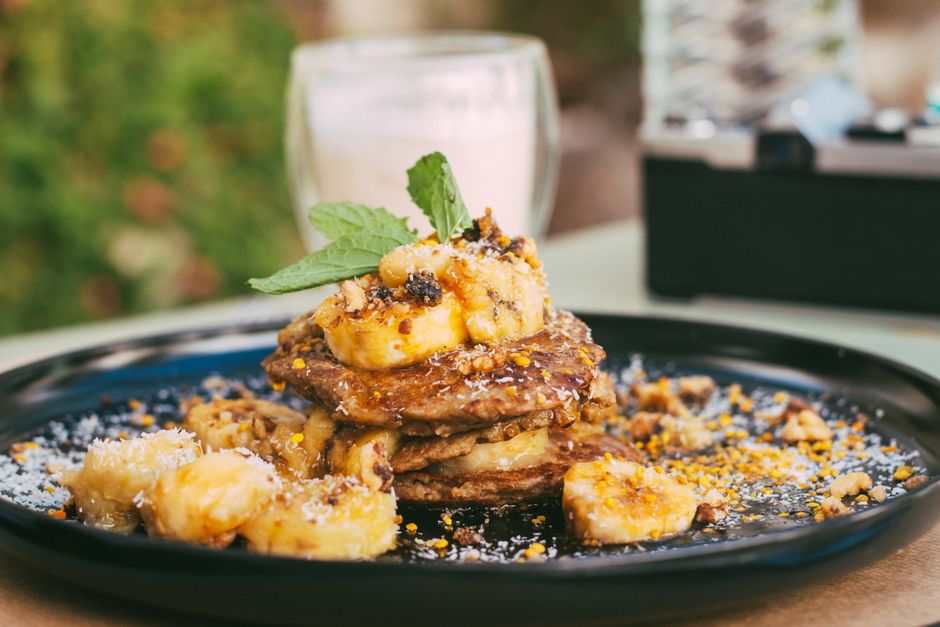
A stack of three small pancakes with two tablespoons of syrup can reach roughly 50 to 60 grams of carbohydrate before fruit, milk, or extra toppings arrive. That explains why Pancake Day can produce a cheerful breakfast at 8 a.m. and hungry, tired children by 10:30. The fix is not banning pancakes. Build the meal so the pancakes come with fibre, protein, and a little fat.
Why pancakes can leave children hungry by mid-morning
The best Pancake Day fix is balance, not a sugar-free rule. Plain flour and syrup digest quickly, while fibre, protein, and fat slow the meal down and help children stay satisfied.
Start with the breakfast math
Most pancake batter supplies carbohydrate but not much protein or fibre. A single medium pancake may contain around 12 to 18 grams of carbohydrate, depending on its size and recipe. Three pancakes can therefore form most of the meal before syrup adds another quick source of sugar. This does not make pancakes unhealthy. It means the stack needs supporting foods.
Add three anchors to the plate
Give each child a source of protein, a source of fibre, and a small amount of fat. Plain yogurt, eggs, milk, seeds, fruit, or nut butter can fill those gaps. For a simple family plate, serve two small pancakes with a boiled egg, sliced banana, and one teaspoon of syrup. That plate feels generous because it has different textures and colours, yet the syrup no longer carries the whole flavour.
Use hunger as the test
A successful breakfast should carry a child toward the next meal without a desperate snack request. Watch the pattern rather than chasing a perfect number. If a child is hungry again after one hour, add protein or fruit next time. If the child feels too full, reduce the stack and keep the yogurt or egg.
How to build a balanced pancake batter from scratch
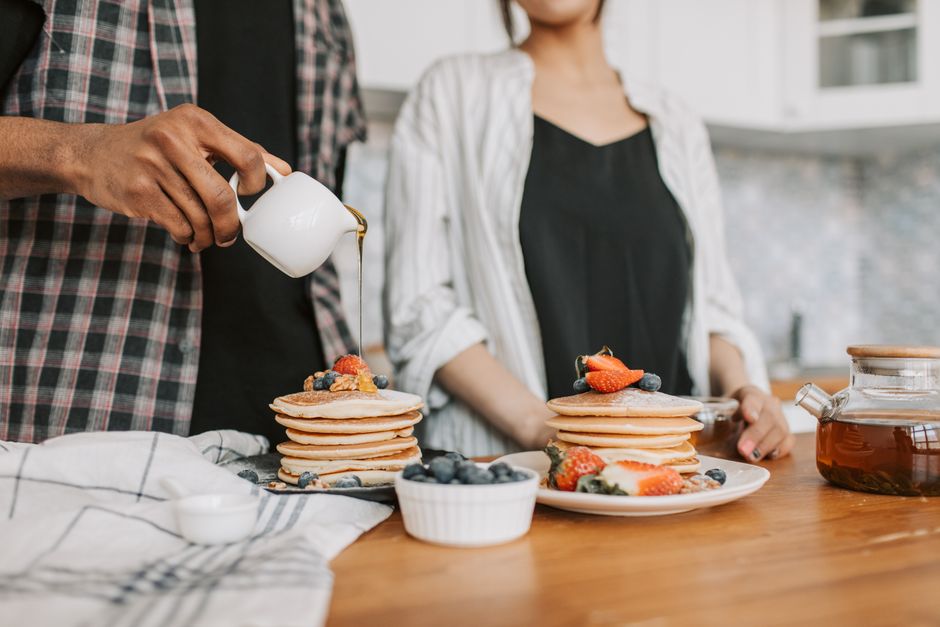
The most useful family formula is two parts flour, one part liquid, one egg, and enough leavening to make the pancakes light. Then replace part of the flour with oats or whole-wheat flour and keep the added sugar low.
Mix the dry ingredients first
For four servings, whisk together 1 cup whole-wheat flour, 1 cup plain flour, 2 teaspoons baking powder, 1 teaspoon cinnamon, and a pinch of salt. Add 1 tablespoon sugar if the family expects a sweeter pancake, but do not add more. The toppings can supply the sweetness later.
Add protein and moisture
Beat 2 eggs with 1 1/2 cups milk and 1/2 cup plain yogurt. Pour the wet mixture into the dry ingredients and stir only until no large dry patches remain. A few small lumps are useful. Overmixing develops the flour and can make the pancakes rubbery, which often leads parents to cover them with extra syrup.
Rest, then adjust
Leave the batter for 5 minutes. Whole-wheat flour and oats absorb liquid as they stand, so the mixture may thicken. Add 1 tablespoon milk at a time until a spoonful spreads slowly but still holds its shape. Cook a test pancake first. If it browns before the centre sets, lower the heat; if it stays pale and dense, give the pan more time to warm.
Which flour and topping swaps work best for families?
The best swap is the one that improves fullness without making the pancakes so unfamiliar that children reject them. Change one part at a time, and keep the topping sweet enough to make the meal feel like Pancake Day.
Use this practical swap table
Choose one sweet topping
Do not pile fruit, syrup, chocolate spread, and sweetened yogurt onto the same plate. That turns a sensible batter into a high-sugar breakfast. The clear winner for most families is sliced banana with a small spoon of maple syrup. Children still get a familiar sweet note, but the fruit supplies bulk and the portion is easy to control.
How to cook pancakes so they stay soft without extra syrup
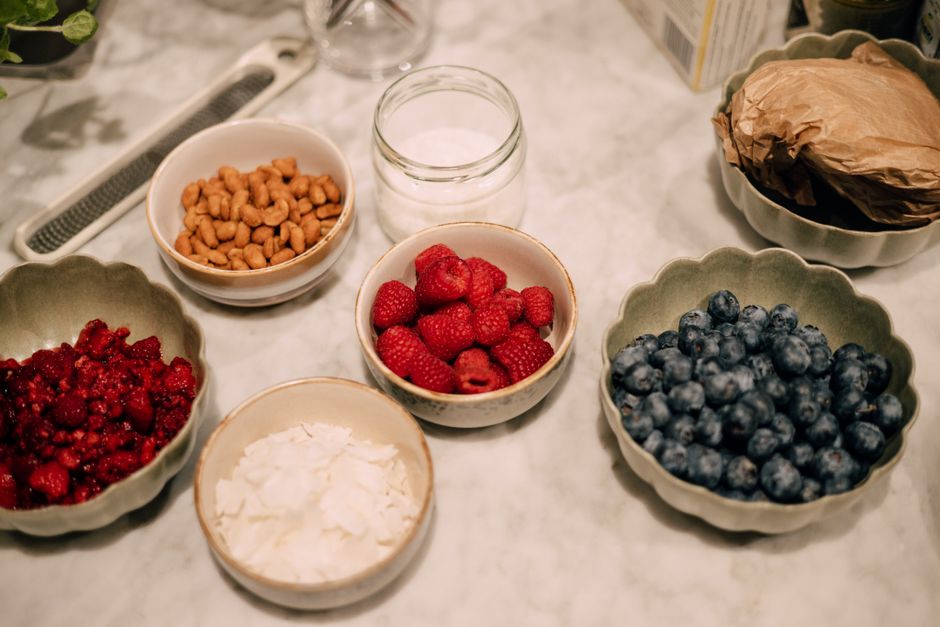
Texture controls topping pressure. Dry, tough pancakes invite more syrup, while soft pancakes taste pleasant with a small amount. Follow this five-step routine for a reliable batch.
- Preheat the pan for five minutes. Use medium-low heat and a heavy non-stick or cast-iron pan. A drop of water should sizzle gently, not vanish instantly.
- Measure the batter. Pour 3 tablespoons for child-sized pancakes or 1/4 cup for adult-sized pancakes. Consistent portions cook at the same speed.
- Wait for the surface bubbles. Flip when bubbles appear across the top and the edges look set. Flipping too early tears the centre; waiting until the top is completely dry creates a tough pancake.
- Cook the second side briefly. Give it 60 to 90 seconds, then lift the pancake. Pressing down with the spatula pushes out steam and makes the middle flat.
- Hold the batch correctly. Place cooked pancakes on a plate covered with a clean tea towel. Do not stack them under foil for a long time, because trapped steam can make them damp.
The clear verdict on cooking fat
Use a thin wipe of neutral oil or butter for the first pancake, then add more only when the pan looks dry. A large pool of butter browns before the batter cooks and makes the outside greasy. Medium-low heat gives the best balance: a tender centre, a lightly browned edge, and less need for syrup.
Can children eat pancakes before school?
Yes, if the serving matches the child and the pancake is part of a balanced breakfast. The useful question is not whether pancakes are allowed. Ask if the plate contains enough protein and fibre to carry the child through the morning.
How many pancakes should a younger child have?
Start with one small pancake, then offer more if the child remains hungry. A preschool child may need one or two 3-inch pancakes, while an older child may need two or three. Add fruit and yogurt before automatically adding another pancake. Appetite changes from day to day, especially after sports, poor sleep, or a growth spurt.
What if the child refuses whole grains?
Use a gradual change. Begin with 75% familiar flour and 25% whole-wheat or oat flour for two batches. Then move to half and half if the texture is accepted. Cinnamon, banana, and vanilla can make the new flavour feel familiar. Do not hide a large amount of bran in the batter, because the gritty texture often creates stronger resistance.
What if the child has diabetes or a food allergy?
For diabetes, follow the child’s personal carbohydrate plan from their healthcare team rather than guessing from a recipe. For allergies, check every label and prevent cross-contact on the pan, spatula, and mixing bowl. Almond flour is not a safe swap in a nut-free home, and oat products may need a certified gluten-free label for someone with coeliac disease.
How to serve Pancake Day so the family stays full
The winning family setup is a small pancake stack, one protein food, one fruit, and a measured sweet topping. Put the toppings in bowls and let children build their plate, but serve the syrup in a teaspoon rather than leaving a large bottle on the table.
Use a simple serving plan
- Cook two small pancakes per adult and start children with one or two.
- Add sliced banana, berries, or stewed apple for fruit.
- Offer plain Greek yogurt, eggs, or milk for protein.
- Give each person 1 to 2 teaspoons of maple syrup instead of a free-pour bottle.
- Keep water available, especially if the meal includes salty bacon or sausages.
Prepare the night before
Mix the dry ingredients in a covered bowl, portion the fruit, and place the yogurt in the refrigerator. In the morning, whisk the wet ingredients into the dry mix and cook only what the family will eat. Extra pancakes freeze well: cool them fully, separate them with baking paper, and store them in a sealed container for up to two months. Reheat in a toaster or pan until hot throughout.
Return to the breakfast test
That opening stack no longer has to end in a 10:30 crash. Two soft pancakes with oat or whole-wheat flour, fruit, yogurt, and a measured spoonful of syrup still feel festive, but the meal now has enough fibre and protein to last. Pancake Day stays special because the family gets the fun of the stack without asking sugar to do all the work.
Always consult a qualified healthcare professional before making health-related decisions.