I’ve been dealing with anxiety for about eight years now. Not the “nervous before a presentation” kind — the chest-tightening, can’t-sleep, replaying-every-conversation kind. I tried the stuff you see on Instagram. I bought the weighted blanket. I downloaded four meditation apps. Most of it didn’t do much.
But some things did. Not because they’re magical, but because they target the actual mechanisms behind poor mental health. Here’s what I learned after years of trial and error — the strategies that moved the needle, the ones that didn’t, and why.
Why Most Mental Health Advice Fails
The problem with most mental health advice is that it treats symptoms, not causes. “Just breathe” doesn’t help when your brain is screaming at 3 AM. “Think positive” is useless when you can’t stop catastrophizing.
I spent $200 on a weighted blanket from Gravity. It’s fine. It’s a blanket. It didn’t fix my anxiety. I tried ashwagandha supplements — the KSM-66 kind that everyone raves about — and felt nothing after three months. The research on ashwagandha for stress reduction is real, but it’s modest. A 2026 meta-analysis in Frontiers in Psychology showed a 15-20% reduction in cortisol on average. Not nothing, but not a cure.
The real issue is that most people look for a single fix. A pill. A gadget. A breathing technique. Mental health improvement is more like fixing a leaky roof — you need to patch multiple spots before the rain stops coming in.
Here’s what I stopped doing:
- Chasing supplements — unless you have a diagnosed deficiency, most are expensive urine
- Expecting apps to fix deep issues — Headspace is great for beginners, but it won’t rewire trauma
- Waiting for motivation — it never comes. You have to build systems.
The Sleep Non-Negotiable: What Actually Works

If you don’t sleep well, nothing else matters. I learned this the hard way after six months of 5-hour nights. My anxiety was through the roof. My focus was garbage. I was irritable with everyone.
The standard advice — no screens, cool room, no caffeine after 2 PM — is correct but incomplete. Here’s what I found actually moves the needle:
Morning light exposure. Not through a window. You need to go outside within an hour of waking. 10-15 minutes of direct sunlight, even on cloudy days. This sets your circadian rhythm better than any supplement. I use a pair of $30 Blue Light Blocking glasses from Amazon (the orange-lens kind) at 8 PM to signal my brain that day is over. Cheap, effective.
Temperature drop. Your core body temperature needs to drop 1-2°F to fall asleep. A hot bath 90 minutes before bed works because it triggers a rebound cooling effect. I keep my bedroom at 65°F (18°C). No exceptions.
The 10-minute rule. If I’m in bed and can’t sleep after 10 minutes, I get up. I go to the living room, read a physical book (no phone), and wait until I feel drowsy again. Staying in bed awake trains your brain to associate the bed with wakefulness. This is called stimulus control therapy and it’s one of the most effective non-drug interventions for insomnia.
One thing I tried that failed: melatonin. I took 5mg, then 10mg. It made me groggy but didn’t fix my sleep onset. The science backs this up — melatonin is best for jet lag, not chronic insomnia. Save your money.
Anxiety Management: Three Techniques That Beat Medication (For Me)
I’m not anti-medication. SSRIs work for millions of people. But I wanted to try everything else first. Here are the three techniques that actually reduced my anxiety baseline.
1. The 5-4-3-2-1 grounding technique. When panic hits, I name: 5 things I can see, 4 things I can touch, 3 things I can hear, 2 things I can smell, 1 thing I can taste. This forces your brain out of the amygdala (fight-or-flight) and into the prefrontal cortex (logical processing). It works because it’s specific and sensory. It’s not woo — it’s neuroscience.
2. Worry time. I schedule 15 minutes at 5 PM every day to worry. If anxious thoughts pop up outside that window, I write them down and tell myself I’ll deal with them at 5 PM. This sounds stupid. It works. After two weeks, my brain stopped randomly firing anxiety because it knew there was a designated time for it. This is a core component of Cognitive Behavioral Therapy (CBT) and has decades of research behind it.
3. Box breathing. Inhale 4 seconds, hold 4 seconds, exhale 4 seconds, hold 4 seconds. I do this for 2 minutes when I feel the physical symptoms of anxiety — racing heart, shallow breathing. The key is the exhale. Long exhales activate the vagus nerve, which triggers the parasympathetic nervous system (rest-and-digest).
I tried the Calm app for a year. It’s well-produced, but the guided meditations never clicked for me. I switched to Insight Timer (free, no subscription) and found a 10-minute body scan from a teacher named Diana Winston. That single track did more for my anxiety than a year of Calm.
How to Improve Focus Without Willpower
Mental health isn’t just about feeling good — it’s about functioning. Poor focus is often a symptom of underlying anxiety or sleep debt. But even after fixing those, I still struggled to concentrate.
The solution wasn’t an app. It wasn’t a supplement. It was environment design.
The phone goes in another room. Not on silent. Not face-down. In a different room. The mere presence of a phone reduces cognitive capacity — a 2017 study from the University of Texas found that participants performed worse on cognitive tests when their phone was on the desk, even if it was turned off.
I use the Pomodoro technique with a twist. 25 minutes work, 5 minutes break. But during the break, I don’t look at a screen. I stretch, walk around, or stare out a window. This prevents the dopamine crash that comes from checking social media.
Noise cancellation. I bought the Sony WH-1000XM4 headphones ($248 on Amazon) specifically for the noise-canceling feature. They’re not perfect — the ear cups get warm after an hour — but they block out 90% of ambient noise. I pair them with brown noise (not white noise — brown noise is deeper and less harsh) on a free YouTube track. The combination lets me enter flow state in under 5 minutes.
What didn’t work: focus supplements. I tried L-theanine (200mg), Rhodiola Rosea, and even Modafinil (don’t recommend — prescription-only and the side effects aren’t worth it). L-theanine gave me a mild calm, but nothing transformative. The research on focus supplements is weak at best.
| Technique | Cost | Effectiveness (1-10) | Time to see results |
|---|---|---|---|
| Morning light exposure | $0 | 9 | 3-5 days |
| Worry time (CBT) | $0 | 8 | 2 weeks |
| Box breathing | $0 | 7 | Immediate |
| Stimulus control therapy | $0 | 8 | 1 week |
| Sony WH-1000XM4 | $248 | 8 | Immediate |
| Blue light blocking glasses | $30 | 6 | 3-7 days |
| Weighted blanket | $200 | 4 | Varies |
| Melatonin supplements | $15 | 3 | Unreliable |
When Professional Help Is the Real Answer
Everything I’ve described here works for mild to moderate anxiety and sleep issues. But there’s a line. If you’ve tried these strategies for 4-6 weeks and your symptoms are the same or worse, you need a professional.
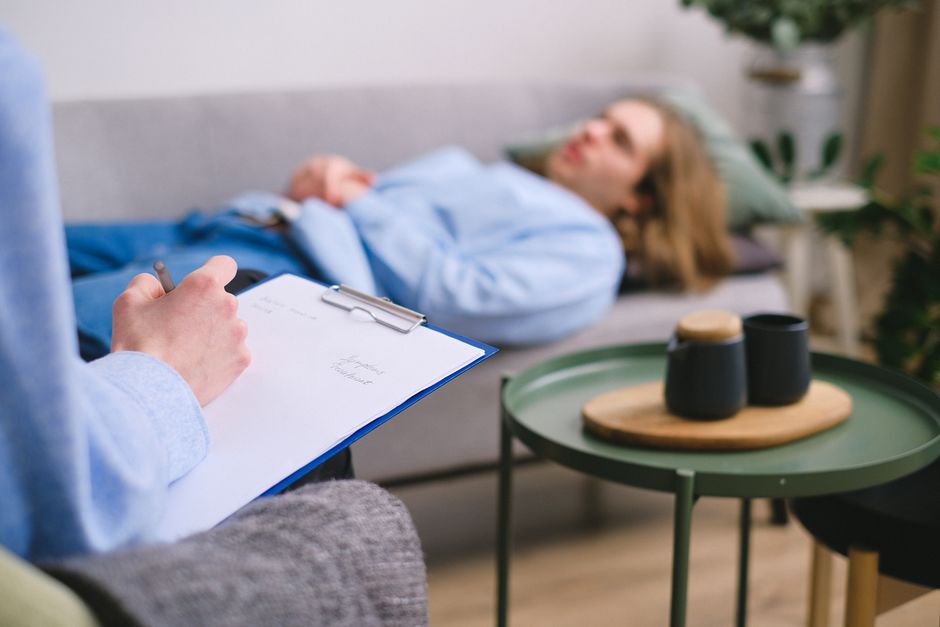
I hit that wall in 2026. I was doing all the right things — exercise, sleep hygiene, meditation — and still waking up with a racing heart at 3 AM. A therapist diagnosed me with generalized anxiety disorder (GAD) and recommended CBT. Six sessions changed things I couldn’t fix on my own.
The mistake I made was waiting too long. I thought needing help meant I was failing. It doesn’t. Mental health is like physical health — sometimes you need a specialist, not a home remedy.
I also tried BetterHelp ($260/month for weekly sessions). It was fine. The therapist was competent, but the platform’s matching algorithm put me with someone who specialized in trauma when I needed CBT. I switched to a local therapist who took my insurance ($30 copay per session). Way better.
If you’re in crisis — suicidal thoughts, self-harm, psychosis — this article isn’t for you. Call 988 (the Suicide and Crisis Lifeline) or go to an emergency room. Self-help has limits.
For everyone else: start with sleep. Then anxiety management. Then focus. Build in that order. Give each strategy two weeks before judging it. And if nothing changes after a month of consistent effort, find a therapist who does CBT. It’s the most evidence-based approach we have.
Medical Disclaimer: This content is for informational purposes only and does not constitute medical advice. Always consult a qualified healthcare professional before making health-related decisions.