You wake up late. Again. The kids need to be at school in 22 minutes. Your laptop’s already pinging with Slack notifications. You grab the first thing that looks like breakfast — a protein bar with “ancient grains” on the wrapper, a smoothie from the drive-thru, or a banana you eat while backing out of the driveway.
By 10:15 AM, you’re crashing. Head foggy, stomach growling, reaching for coffee number three.
Here’s what most articles won’t tell you: the problem isn’t that you’re eating breakfast on the go. The problem is that most “convenient” breakfast foods are engineered to fail you. They spike your blood sugar, lack protein density, and leave you hungrier than if you’d eaten nothing at all.
This article breaks down what actually makes a grab-and-go breakfast work — the nutrient ratios, the labeling tricks, and the specific foods that hold you until lunch without requiring a blender, stove, or more than 3 minutes of your morning.
What Your Morning Hunger Actually Means
Morning hunger isn’t just an empty stomach. It’s a complex hormonal signal involving ghrelin, cortisol, and your body’s circadian clock. When you eat the wrong thing, you don’t just fail to satisfy hunger — you actively trigger a cycle that makes you hungrier later.
The core problem: most portable breakfasts are carbohydrate bombs disguised as health food.
The Granola Bar Problem
A standard Nature Valley Oats ‘n Honey bar contains 29g of carbohydrates, 12g of sugar, and only 3g of protein. That’s a blood sugar spike followed by a crash, guaranteed. The KIND Healthy Grains Dark Chocolate Chunk bar? 22g carbs, 7g sugar, 2g protein. Slightly better on sugar, still a protein desert.
Blood sugar stability is the single most overlooked factor in morning food choices. When your blood glucose spikes at 7:45 AM, your pancreas releases insulin to shuttle that sugar into cells. The overshoot drops your blood sugar below baseline by 10:00 AM. Your brain, which runs primarily on glucose, panics. You get cravings, brain fog, irritability.
The fix isn’t willpower. It’s protein and fiber.
Why Protein Before Noon Matters More Than You Think
Research from the American Journal of Clinical Nutrition found that protein at breakfast reduces ghrelin (the hunger hormone) more effectively than protein at lunch or dinner. A 30g protein breakfast keeps you fuller longer than a 15g protein breakfast — and the effect isn’t linear. There’s a threshold effect around 25-30g where satiety signaling really kicks in.
Most grab-and-go options give you 5-10g. That’s why you’re hungry by 10 AM.
The 3-Minute Morning Framework
Forget elaborate meal prep. Forget overnight oats in mason jars that you’ll make once and abandon. The framework that actually works has three components, and you can assemble them in under 3 minutes:
- Protein anchor: 20-30g of complete protein. Greek yogurt, hard-boiled eggs, cottage cheese, quality protein shake, or leftover dinner protein.
- Fiber vehicle: 5-8g of fiber. This slows gastric emptying and smooths the blood sugar curve. Berries, chia seeds, a small apple, or a high-fiber wrap.
- Fat finisher: 10-15g of healthy fats. Nuts, seeds, avocado, or full-fat dairy. Fat triggers CCK (cholecystokinin), a hormone that tells your brain you’re done eating.
That’s it. Three components. No recipes. No cooking.
Example assembly: One Fage Total 5% Greek yogurt cup (18g protein) + a handful of raspberries (8g fiber) + a tablespoon of chia seeds stirred in (5g fat, extra fiber). Total time: 90 seconds. Total protein: ~22g. You’ll make it to noon without thinking about food.
The Labeling Traps That Fool Smart Shoppers
Food manufacturers know you’re looking for “healthy” and “protein” on labels. They’ve engineered products to trigger those search terms while delivering nutritionally hollow food. Here are the three traps to spot:
Trap 1: “Made With Whole Grains”
“Made with” is a legally meaningless phrase. A product can contain 2% whole grain flour and 98% refined flour and still print “made with whole grains” on the front. Look at the ingredient list: if “whole grain” or “whole wheat” isn’t the first ingredient, it’s mostly refined flour. The Dave’s Killer Bread bagels claim whole grains but still deliver 48g of carbs with only 5g of fiber and 11g of sugar. That’s a dessert bagel.
Trap 2: “Good Source of Protein”
The FDA allows “good source of protein” on any food with 5-9g of protein per serving. Five grams. That’s less than one egg. A RXBAR protein bar has 12g — better, but still half of what you need for morning satiety. The term “high protein” requires 10g or more, but even that’s inadequate for breakfast. Ignore front-label protein claims entirely. Read the actual grams on the nutrition panel.
Trap 3: The Smoothie Shop Deception
A Jamba Juice Strawberry Surf Rider smoothie (small) contains 72g of sugar. Seventy-two. That’s more than two Snickers bars. Even “all fruit” smoothies concentrate sugars without the fiber matrix that whole fruit provides. Blending breaks down cell walls and makes sugar hit your bloodstream faster. If you’re buying a smoothie, demand the nutrition panel. Most chains hide it on their website.
| Product | Protein (g) | Sugar (g) | Fiber (g) | Verdict |
|---|---|---|---|---|
| Nature Valley Oats ‘n Honey bar | 3 | 12 | 2 | Skip — dessert bar |
| KIND Dark Chocolate Chunk bar | 2 | 7 | 3 | Skip — protein desert |
| RXBAR Chocolate Sea Salt | 12 | 13 | 5 | Acceptable — add Greek yogurt |
| Fage Total 5% (1 cup) + berries | 22 | 8 | 5 | Ideal — hits all three targets |
| Premier Protein shake (11 fl oz) | 30 | 1 | 3 | Good protein anchor — add fiber |
When Breakfast Bars Actually Make Sense
Sometimes you genuinely can’t carry yogurt or peel an egg. You’re on a plane. You’re in a car at 5:30 AM. You need something shelf-stable that fits in a pocket.
In those cases, a bar isn’t ideal, but some are far less bad than others. The criteria: minimum 10g protein, minimum 5g fiber, under 8g added sugar, and real food ingredients you recognize.
The IQBAR Almond Butter Chip meets this: 12g protein from pea and pumpkin seed protein, 8g fiber from tapioca and flaxseed, and only 1g of sugar. It tastes like a dense brownie — not delicious, but not offensive. The No Cow Dipped bar has 20g protein and 15g fiber, though the texture is chalky and the sugar alcohol content may cause digestive issues for some people.
These are emergency rations, not daily drivers. If you’re eating a protein bar every morning, you’re missing the fiber diversity and phytonutrients from whole foods. Use bars for the mornings when there’s genuinely no other option.
The Leftover Breakfast No One Discusses
Breakfast foods are a cultural construct, not a biological requirement. Your stomach doesn’t know it’s 7:30 AM. It processes protein the same way regardless of what time the clock shows.
Leftover dinner makes the best grab-and-go breakfast available. Period.
A cold chicken thigh has 23g of protein. A slice of last night’s frittata has 15g. A container of lentil soup has 12g of protein and 8g of fiber. These foods are already cooked, already paid for, and nutritionally superior to any packaged breakfast product.
The only barrier is psychological. We’ve been told breakfast means cereal, toast, or smoothies. But in Japan, a traditional breakfast includes grilled fish, rice, and miso soup. In Turkey, it’s olives, cheese, and eggs. These cultures aren’t eating Frosted Flakes.
Next time you make dinner with a quality protein source, cook an extra portion. Package it while you’re cleaning up. Tomorrow morning, grab it and go. Zero extra effort, perfect nutrition.
Quick Assembly Combinations That Work
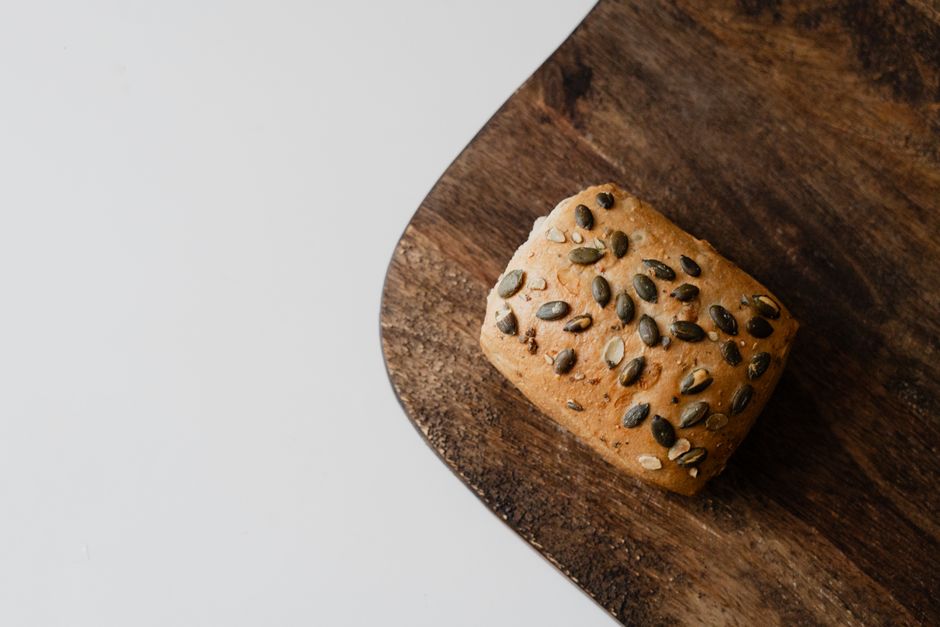
These aren’t recipes. They’re assembly instructions. No cooking, no blending, no prep beyond opening containers. Each hits the 20g+ protein threshold with fiber and fat included:
- The Yogurt Power Bowl: 1 cup Fage Total 5% Greek yogurt + 2 tbsp chia seeds + 1/2 cup frozen blueberries (they thaw by the time you eat). 25g protein, 12g fiber. Grab a spoon.
- The Egg-and-Go: 2 pre-boiled eggs (boil 6 on Sunday) + 1 small avocado with everything bagel seasoning + 1 small apple. 18g protein, 12g fiber. The avocado you can eat with a spoon straight from the skin.
- The Savory Wrap: 1 Siete Almond Flour tortilla + 3 slices Applegate turkey breast + 1 slice provolone + handful of spinach. Roll it cold. 24g protein, 5g fiber. Eat it in the car.
- The Cottage Cheese Combo: 1 cup Good Culture full-fat cottage cheese + 1/4 cup pumpkin seeds + cherry tomatoes. 28g protein, 4g fiber. Sounds weird, tastes savory and satisfying.
- The Emergency Shake: 1 Premier Protein shake (30g protein) + 1 small pear eaten whole. The shake covers protein, the pear provides fiber and chew satisfaction that drinking alone misses.
What You Lose When You Skip Breakfast Entirely
Intermittent fasting has made skipping breakfast fashionable. For some people, it works. For many, it backfires.
The research on breakfast skipping is messy because “breakfast” means different things in different studies. Skipping a sugary cereal breakfast? Probably fine. Skipping a protein-rich breakfast when you’re already stressed and under-slept? Different story.
Cortisol is naturally highest in the morning. Adding the stress of fasting can push it higher, especially in women. A 2026 study in the journal Nutrients found that women who skipped breakfast had higher cortisol levels and reported more stress than breakfast eaters. Men showed less of this effect.
The practical takeaway: if you feel good skipping breakfast, keep doing it. If you’re irritable, foggy, or binging at lunch, your body is telling you it needs morning fuel. Listen to it. A 3-minute protein assembly isn’t a major time investment for the cognitive payoff.
If you’re someone who genuinely can’t stomach food before 10 AM, try a protein shake only. Liquid calories are easier to tolerate and still provide the amino acids your brain needs for neurotransmitter production. A Fairlife Core Power shake has 26g of protein and tastes like melted ice cream. It’s 170 calories and takes 30 seconds to drink.
Medical Disclaimer: This content is for informational purposes only and does not constitute medical advice. Always consult a qualified healthcare professional before making health-related decisions.