
The CDC says children ages 6 to 17 need at least 60 minutes of moderate-to-vigorous activity each day. Picture a family leaving after breakfast, following a short loop, stopping for water and a playground, then getting home before tired legs create an argument. That is the right basic model: enjoyable movement, a clear route, and an easy way to stop.
This guide covers route planning, pacing, weather, equipment, common mistakes, and realistic Easter schedules. The advice is general health and safety information. The guide does not interpret the laws of a particular state. Helmet, child-seat, trailer, and e-bike rules differ by state and sometimes by city.
Why family walks and bike rides work for Easter health
Movement does not need to look like exercise
Walking and cycling solve a simple problem: children need regular movement, while families often have limited time and mixed fitness levels. A walk lets one person move slowly, stop to look at flowers, or take a short playground break. A bike ride can raise the pace for older children while a younger child rides in a trailer or child seat. The shared activity also gives adults a way to model steady movement without giving a lecture about health. The CDC notes that children ages 3 to 5 should be active throughout the day, while children ages 6 to 17 should get at least 60 minutes of activity daily. A holiday outing can contribute to that total, but it does not need to provide the entire amount at once.
The best Easter plan has an easy exit
Choose a route with a nearby bus stop, car park, public toilet, café, or shortcut. That detail matters more than a scenic viewpoint at the far end. Young children often change energy levels quickly, and spring weather can turn a dry path into mud within minutes. The clearest verdict is this: a shorter route that the family finishes comfortably is better than a longer route that ends with pain, hunger, or a rushed return. Build the outing around conversation, birds, seasonal flowers, and a picnic stop. Those details make movement feel like part of the holiday rather than a task added to it.
How to choose a family-friendly Easter route
Compare distance, terrain, and escape points
Route length should match the slowest or youngest participant, not the adult who plans the trip. Use the table as a starting point, then reduce the distance if the weather is cold, the path is hilly, or anyone is returning from illness.
Match the route to the surface
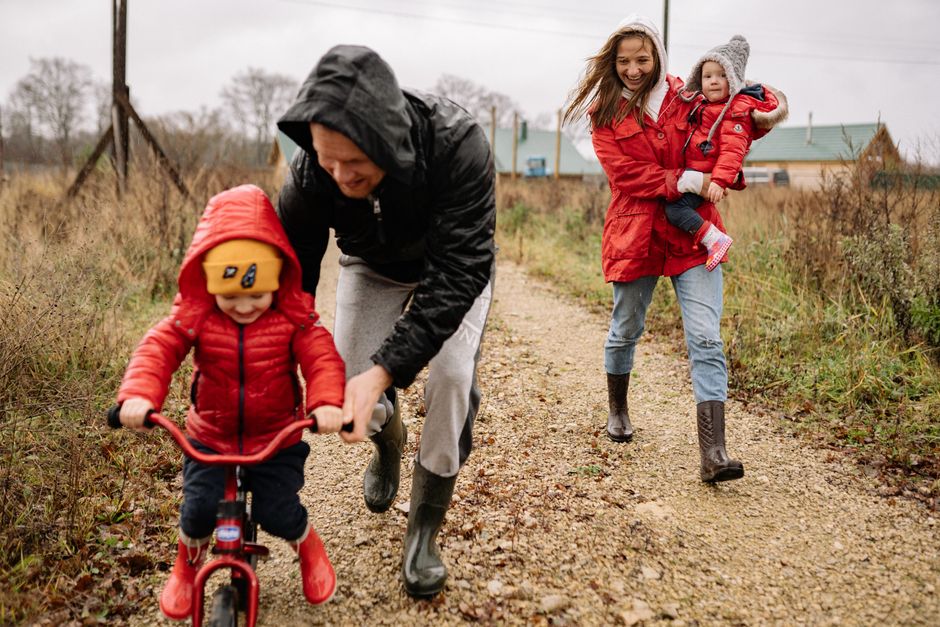
For a stroller, balance bike, or child trailer, firm and fairly smooth ground is the safer choice. Gravel can work, but deep stones make steering harder and increase vibration. A narrow path beside fast traffic deserves extra caution even if the map labels it as a cycle route. Check the route on foot or through current local information when possible. A trail may be open in summer but flooded, icy, or closed for maintenance during the Easter period. The strongest route choice combines a low-traffic surface, regular stopping places, and at least one short return option.
How hard should the walk or ride feel?
What pace is right for children?
A useful test is conversation. Most family outings should allow children to speak in full sentences, ask questions, and notice what is around them. Short hills may make breathing faster, but the group should recover after slowing down. Adults should not set the pace from the front and assume everyone else can follow. Put the slowest rider near the middle of the group, use planned water stops, and agree on a simple signal for stopping. For children who are new to cycling, ten minutes of riding followed by five minutes of walking or exploring may work better than one uninterrupted hour.
When should the family turn around?
Turn back before the group reaches exhaustion. Warning signs include repeated falls, unusual quietness, shivering, a child dragging one foot, dizziness, or a refusal to drink. Hunger can look like bad behavior, so carry a snack before anyone becomes distressed. Stop the ride immediately after a crash and check for pain, confusion, bleeding, or trouble using a limb. Seek medical help for serious symptoms. The clear recommendation is to protect the return journey: plan the halfway point as the decision point, not as the place where the family begins debating what to do next.
What to pack for an Easter family outing
Use a short, practical packing list
A well-packed day bag prevents minor problems from ending the outing. Pack less than you think you need, but cover the situations that are hard to solve outdoors.
- Water for each person, with extra water for warm weather or long rides.
- Simple food such as bananas, sandwiches, oat bars, or crackers.
- A lightweight waterproof layer and one warm layer for each child.
- Plasters, antiseptic wipes, prescribed medicines, and any allergy treatment the family normally carries.
- Sun protection, including a hat and sunscreen suitable for the child’s age.
- A phone with the route saved offline, a small power bank, and an emergency contact card.
- A pump, spare tube, tire levers, and a basic multitool for bicycle outings.
- A towel or changing layer for wet seats, muddy shoes, and unexpected puddles.
Make food and water part of the route
Do not wait for a child to ask for a drink. Offer water at the start, around the halfway point, and before the final stretch. A snack stop gives children a reason to keep moving without using sweets as the only reward. Keep food easy to open while seated and avoid carrying anything that creates a choking risk for a child who is still eating with close adult supervision.
Keep one adult responsible for route navigation and another responsible for the youngest child when possible. That division reduces distraction at road crossings and busy trail entrances.
What should a realistic Easter activity plan look like?
Build the day around one main outing
Choose one main walk or ride and leave room for food, rest, and unplanned stops. A useful schedule is breakfast, preparation, a 45- to 90-minute outing, a snack or picnic, and a short optional playground visit. Older children may want a longer ride on another day, but stacking a long ride, a crowded attraction, and a late meal often turns a healthy plan into an exhausting one. Keep the first outing short enough that the family can finish with energy left.
Final verdict for Easter holidays
Use a child’s own bike only when the fit and skill level are right; use a trailer or walking route when they cannot control a bicycle safely. The family that leaves after breakfast, follows a manageable loop, pauses before anyone is worn out, and returns with enough energy for lunch has met the real goal. It can begin with one safe, enjoyable Easter walk or bike ride that the family wants to repeat tomorrow.
Always consult a qualified healthcare professional before making health-related decisions.