

How do you enjoy Easter chocolate without turning one festive weekend into a month of grazing?
The answer is not to label chocolate as forbidden. That approach often creates stronger cravings and makes a large basket feel like a last chance to eat everything. A better plan gives chocolate a clear place in the day, keeps portions visible, and protects the foods that support your health: meals with protein, fibre, fruit, vegetables, and water.
Why Easter chocolate feels harder to moderate
Abundance changes your eating cues
Most people do not struggle with one chocolate egg on Easter Sunday. The trouble starts when treats sit on the kitchen counter for two weeks. Each pass creates another decision. A handful of mini eggs while making coffee feels small, but several handfuls can quietly become a full snack. Later, a cream-filled egg after dinner adds more sugar and saturated fat without creating much fullness.
Chocolate also combines three strong eating cues: sweetness, fat, and a soft or crunchy texture. That combination makes it easy to eat quickly. The brain registers the pleasure before the stomach has time to signal that enough has been eaten. Packaging adds another cue. A large bag suggests that the food is meant to be eaten repeatedly, while individually wrapped pieces create a natural pause.
Moderation needs a visible boundary
Set the boundary before you open the package. Put one portion on a plate or in a small bowl, then store the rest somewhere less convenient. Do not eat directly from a family-size bag. You lose track of the amount and make the next bite automatic.
A healthy diet does not require every food to provide vitamins, protein, or fibre. Treats can simply be enjoyable. The balance comes from the pattern around them. The American Heart Association’s added-sugar guidance gives most women a daily limit of 25 grams and most men a limit of 36 grams. That limit applies to the whole day, not just chocolate.
How much chocolate fits a healthy Easter day?
There is no universal Easter allowance because calorie needs, age, activity, and health conditions differ. A useful starting point is a small portion that you can enjoy slowly without replacing a proper meal.
Use the label instead of guessing
Chocolate portions vary sharply. One brand may call three squares a serving, while another counts one large bar as a serving. Read the package for calories, added sugar, saturated fat, and serving size. The figures below show how to turn a label into a simple decision.
| Portion | How to use it | What to check |
|---|---|---|
| 10 g | A small taste after a meal | Useful when the rest of the day already includes sweet foods |
| 20 g | A planned snack with tea or coffee | Check whether it stays below about 120 calories on your label |
| 30–35 g | A full chocolate serving for many bars | Compare added sugar and saturated fat before choosing |
| 50 g or more | A large treat, not an automatic daily portion | Count it as part of the day’s discretionary calories |
Make the portion satisfying
Eat the chocolate after lunch or dinner if it tends to make you hungrier on an empty stomach. Pair it with fruit, yogurt, or a meal rather than adding it to an already large snack. The NHS sugar guidance sets an adult free-sugar limit of 30 grams per day. It also recommends smaller packs and smaller portions. That is a practical rule for Easter: buy less, serve less, and enjoy the portion you chose.
The mistakes that turn one treat into a week of grazing
Five habits to remove first
- Keeping an open basket in sight. Move chocolate into a cupboard and leave one planned portion available. Distance breaks the automatic grab-and-eat loop.
- Skipping meals to save calories. Arriving at Easter lunch very hungry makes it harder to stop after one treat. Eat a normal breakfast with protein and fibre.
- Calling dark chocolate unlimited. A higher cocoa percentage can mean less sugar, but it does not remove calories or saturated fat. Cocoa percentage is not a free pass.
- Using exercise as repayment. A walk can support mood and blood sugar control, but it should not become punishment for eating dessert. That mindset can make food more stressful.
What to do after an unplanned extra
Do not compensate by fasting or cutting out carbohydrates the next day. Return to regular meals, drink water, and put the remaining treats away. One larger serving is a single event. The pattern becomes a problem only when it repeats without a boundary.
For children, avoid making chocolate a reward for finishing vegetables or a test of self-control. Give a small serving with the family meal or planned snack, then offer normal meals again. Adults can model the same behavior by eating slowly and stopping without dramatic comments about being good or bad.
When dark chocolate is not the best choice
Does dark chocolate always beat milk chocolate?
No. Dark chocolate often contains less sugar than milk chocolate, but it can contain just as many calories and a high amount of saturated fat. Some dark bars also taste bitter enough that people add other sweets afterward. If a small milk-chocolate egg gives you more satisfaction than half a dark bar plus extra snacks, the milk-chocolate egg may be the better practical choice.
Who should take extra care?
People managing diabetes should count the carbohydrate and sugar in the actual portion rather than rely on a cocoa percentage. People with milk, soy, nut, or other food allergies must read the allergen statement because chocolate is often made on shared equipment. Anyone with a condition that requires a specific diet should follow advice from their clinician or registered dietitian.
Dark chocolate also contains caffeine and related compounds. If chocolate affects your sleep, keep it earlier in the day or choose a smaller portion. If reflux, migraines, or stomach symptoms reliably follow chocolate, treat that pattern as useful information instead of forcing the food into your diet because it is supposed to be healthier.
The best Easter treat is the one that gives you pleasure without creating a second problem. That may be dark chocolate, milk chocolate, a homemade dessert, or no chocolate at all.
A simple Easter plan you can follow
Before shopping
- Choose one or two treats you genuinely want. Do not buy every seasonal flavour because it is available.
- Pick a package that matches your plan. Individual pieces or a small bar work better than a large open bag.
- Check the label for serving size, calories, added sugar, saturated fat, and allergens.
During the celebration
- Eat a normal meal first. Include protein, vegetables, or fruit so chocolate is a pleasure rather than the main source of energy.
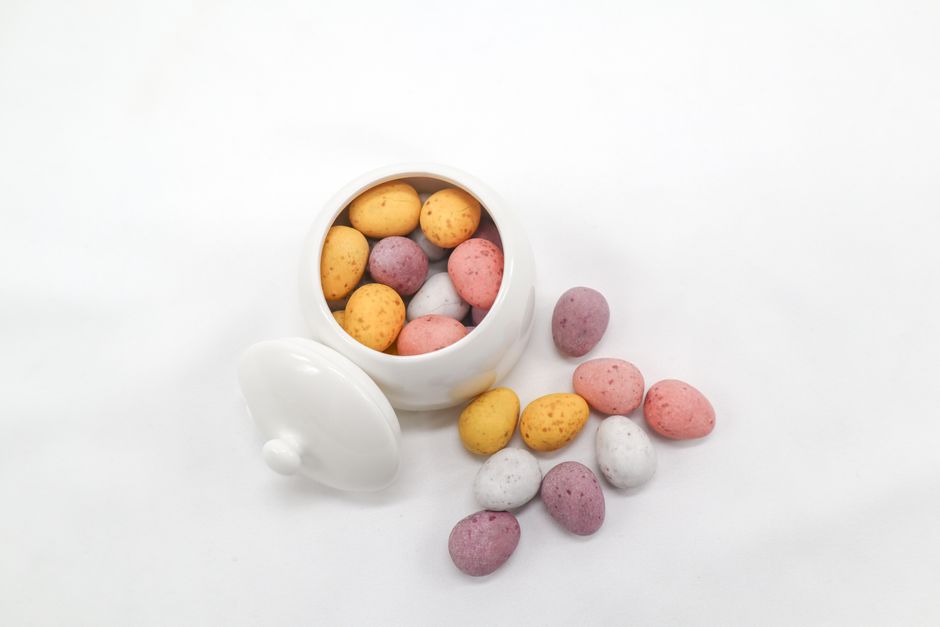
- Put your portion on a plate. Sit down, remove the wrapper, and eat it slowly enough to notice the flavour.
- Pair the treat with water, tea, or coffee without extra sugar. Avoid turning chocolate into a drink, dessert, and snack in the same sitting.
- Store leftovers out of sight. If the basket is a family tradition, divide the treats among people instead of leaving the full supply in one place.
For most healthy adults, a 10-to-30-gram portion can fit comfortably into an Easter day when the rest of the diet is balanced. The exact amount matters less than the system: planned portion, proper meal, visible limit, and no punishment afterward. Easter treats can stay festive without taking over the week.
Always consult a qualified healthcare professional before making health-related decisions.