
The common mistake is treating late spring like summer. It is not. Cool mornings, wet grass, strong sun, pollen, and fast weather changes can turn a simple park workout into a miserable session. The fix is not more equipment. It is a smarter plan that matches the season.
Why late spring is the best time for park workouts
Late spring is the best outdoor training window because it gives you enough warmth to move hard without the heat stress of midsummer. That makes it easier to run, climb hills, perform bodyweight circuits, and stay outside long enough to build useful fitness.
Use the weather instead of fighting it
Start with the temperature, not the calendar. A 10 to 18°C morning with light wind is ideal for intervals and strength work. Once the temperature climbs above 20°C, shorten hard efforts and add water breaks. Check the hourly forecast before leaving. A dry 12°C session beats a warm workout under a thunderstorm warning.
Late spring also gives you longer daylight. Use that extra time for a proper warm-up and a calm cooldown. Do not sprint from your car to a pull-up bar and call the first ten minutes training.
Train for the surface beneath you
Grass works well for mobility, walking lunges, bear crawls, and low-impact conditioning. A flat paved path suits running intervals and brisk walking. Wet wood, muddy slopes, and slick painted lines are different. They raise the chance of slipping, especially during lateral movements.
My verdict is simple: choose a park with one flat loop, one sturdy bench, and a dry open area. That combination gives you enough variety for a full session without turning the workout into a search for equipment.
How to build a 30-minute park workout
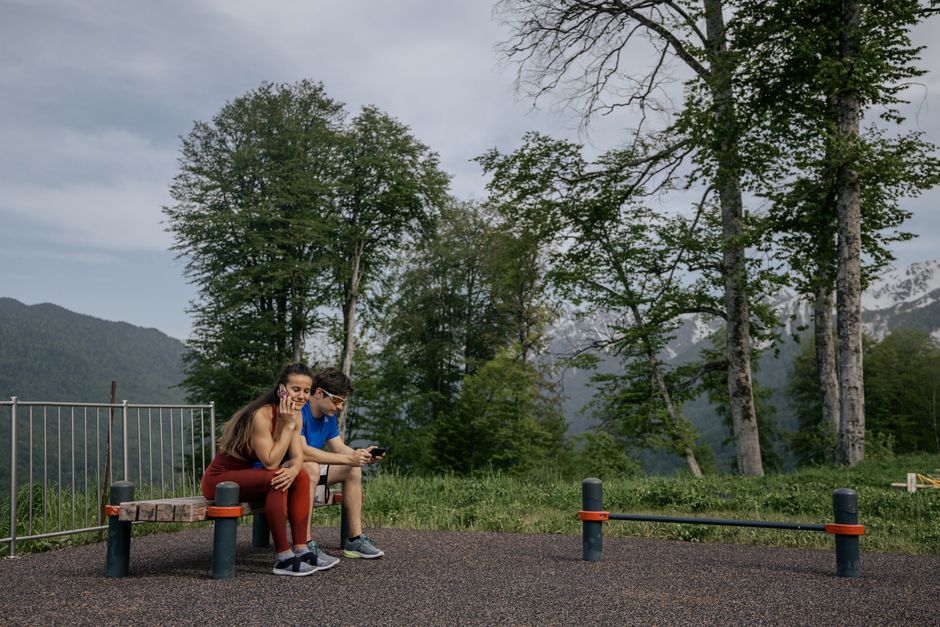
A useful park workout does not need ten exercises. It needs a clear order: raise your temperature, train strength, add a cardio push, then bring your breathing down. The schedule below works for beginners and regular exercisers because you can change the pace without changing the structure.
The simple late-spring workout schedule
| Minutes | Block | What to do |
|---|---|---|
| 0-4 | Warm-up | Walk, arm circles, ankle rolls, bodyweight squats |
| 4-10 | Strength | Bench squats, incline push-ups, reverse lunges |
| 10-16 | Cardio | Fast walk or easy run for 45 seconds, easy pace for 45 seconds |
| 16-22 | Power and balance | Step-ups, single-leg hinges, controlled mountain climbers |
| 22-27 | Conditioning | Three rounds of 30-second brisk effort and 30-second recovery |
| 27-30 | Cooldown | Slow walking, calf stretch, hip-flexor stretch, deep breathing |
Set the right effort level
Keep the strength work at a pace that leaves two clean repetitions in reserve. If your knees cave inward during step-ups or your back rounds during mountain climbers, stop the set. For cardio, use the talk test: you should speak a short sentence during recovery, but not hold a full conversation during the hard interval.
Do this session two or three times per week. Add five minutes before adding harder exercises. The winner is the plan you can repeat on a rainy Tuesday, not the plan that looks impressive once.
Which group exercise format actually works?
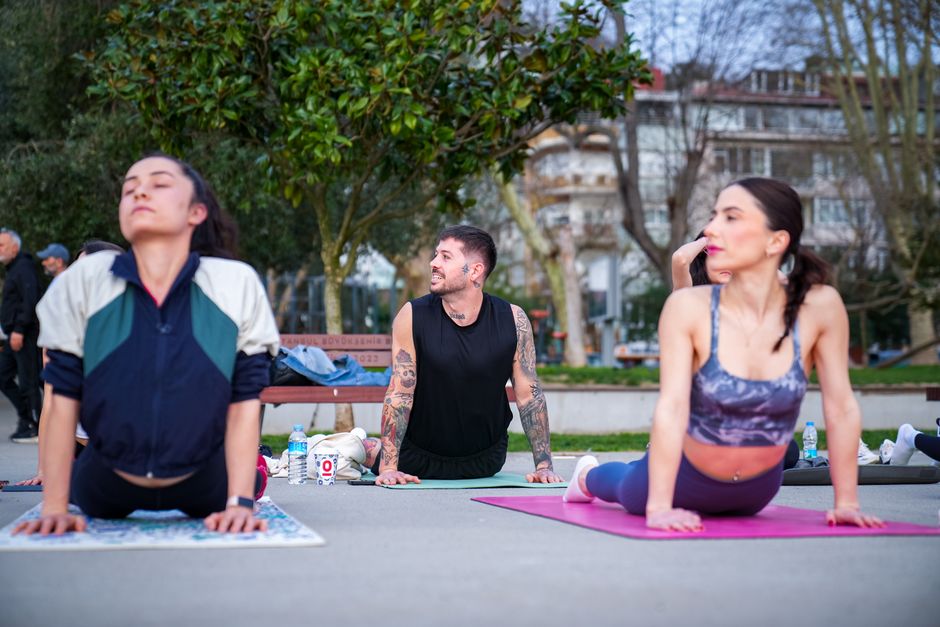
Large outdoor classes are not automatically better. The best group exercise format gives you a fixed start time, a clear level of difficulty, and enough space to move without copying a stranger’s poor technique. Pick the format that removes your biggest excuse.
1. Choose a coached circuit for structure
- Beginner: Pick a class with stations lasting 30 to 45 seconds and at least 30 seconds of rest. You need time to learn the movement.
- Intermediate: Choose a circuit with squats, pushes, pulls, carries, and short cardio intervals. That mix trains more than endless burpees.
- Advanced: Look for a class that scales load and pace separately. A faster runner should not be forced to use a heavier weight.
2. Choose a walking group for consistency
A walking group sounds modest, but it often beats a heroic boot camp. A 45-minute brisk walk three times a week can build aerobic fitness, reduce sitting time, and give you a reliable social cue. Choose a group that starts within 15 minutes of your home or workplace. Long travel kills attendance.
3. Choose a small training pod for accountability
Three to six people is the sweet spot for a self-run park session. One person brings the timer, one picks the route, and everyone completes the same work-rest pattern. Keep the plan written down. Improvised sessions turn into chatting, waiting, and one person doing all the work.
My pick is a coached circuit for skill and a walking group for long-term consistency. If a class leaves you too sore to train for four days, it is the wrong class, no matter how intense the instructor sounds.
How do you train safely in changing spring weather?
The safest late-spring workout is the one you can adjust within five minutes. Weather changes faster than many people expect, and the park gives you little shelter. Build a decision rule before you leave so pride does not make the decision for you.
When should you cancel?
Cancel outdoor training for lightning, hail, severe wind, or a heat warning. Wet grass alone is not a reason to cancel, but it is a reason to remove sprints, jumps, and fast lateral drills. A soaked bench can also become a slip hazard. Move the session to a paved path or switch to walking.
Pay attention to pollen. If your eyes itch, your throat feels tight, or breathing becomes harder than normal, leave the park and follow the plan your clinician has given you for allergies or asthma. Do not treat breathing trouble as a lack of toughness.
How should you dress?
Dress in layers that you can remove. A breathable base layer, light mid-layer, and thin rain shell cover most cool mornings. Wear a cap during strong sun, even when the air feels mild. Late-spring sun can burn exposed skin before you notice the heat.
What should you do after rain?
Inspect the route before starting hard work. Look for standing water, exposed roots, loose gravel, and mud on slopes. Use shorter steps on slick ground. Keep your eyes several metres ahead instead of staring at your feet.
The best safety rule is a 10-minute test. Walk easily, perform five squats, and jog for one minute. If the surface, breathing, or weather feels wrong, change the session immediately. A lower-intensity workout preserves the habit. A needless injury breaks it.
What weekly plan keeps outdoor fitness consistent?

Use three fixed sessions and one optional social session. That is enough to improve fitness without making the park your second job.
A practical seven-day schedule
- Monday: 30-minute park workout with strength and run-walk intervals.
- Tuesday: Easy 30- to 45-minute walk, preferably with a group.
- Wednesday: Rest or 15 minutes of mobility at home.
- Thursday: Repeat the park workout, adding one interval only if the first session felt controlled.
- Friday: Rest. Do not turn every free day into a hard day.
- Saturday: Optional coached circuit, social hike, or longer steady walk.
- Sunday: Easy movement and a route check for the coming week.
When should you change the plan?
Change one variable at a time. Add five minutes, one interval, or a slightly steeper route. Do not add all three in the same week. If soreness changes your walking pattern, take an extra recovery day. If motivation drops, attend the group session and reduce the intensity.
The opening misconception was that late spring needs a summer-style workout. It does not. The winning approach is smaller, steadier, and ready for real weather: a flat route, a clear 30-minute structure, a group when accountability helps, and enough flexibility to change course. That is how a park workout becomes a habit instead of a one-week experiment.
Always consult a qualified healthcare professional before making health-related decisions.