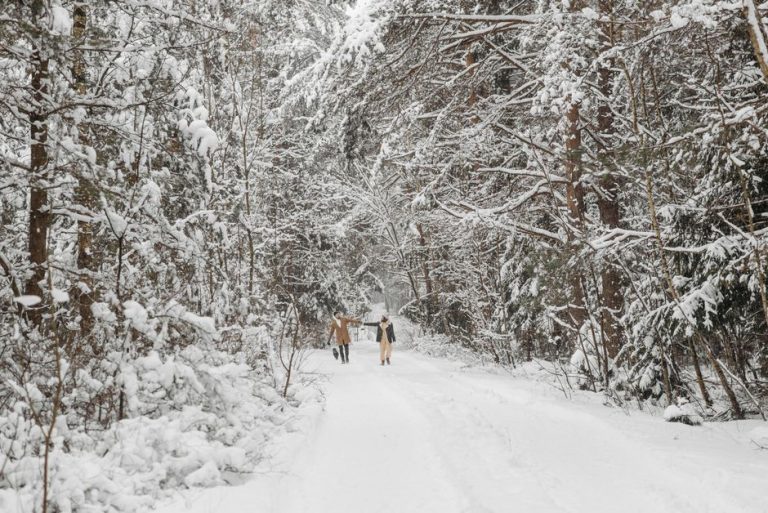
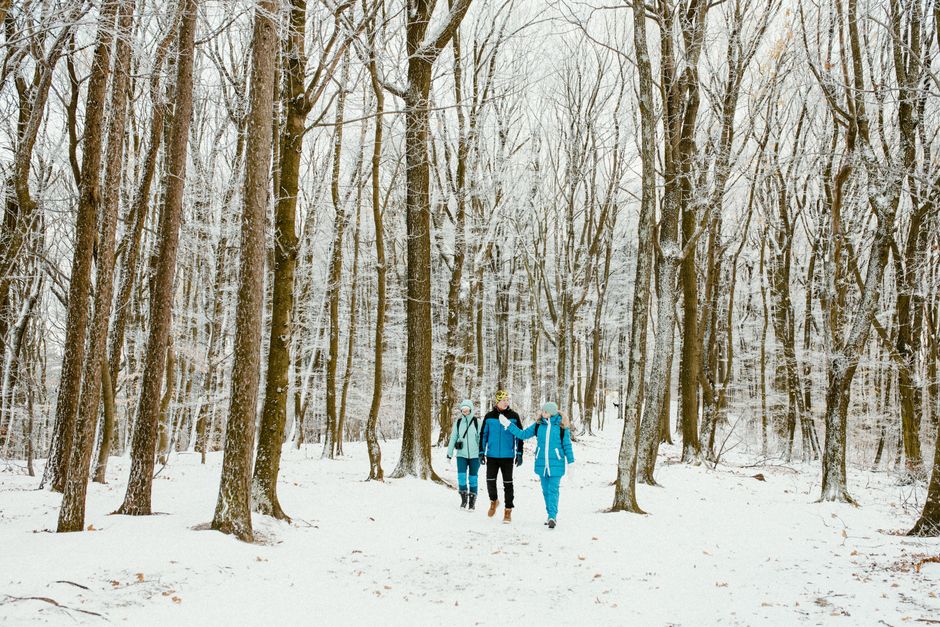
Children ages 6 to 17 need at least 60 minutes of physical activity each day, but that does not mean paying for a ski resort, trampoline park, or expensive class. The best cold-weather weekend usually needs three things: a short plan, a warm backup, and one activity everyone can finish together.
The goal is not to fill every hour. It is to make movement easy enough that nobody spends Saturday morning negotiating, searching for missing gloves, or deciding what to do next. A two-hour outdoor block, a low-cost indoor challenge, and a shared meal can create a full weekend without turning it into a costly event.
Why Cold-Weather Activity Matters for Family Health
Short bursts still count
Winter activity does not need to look like a formal workout. A 20-minute walk to a playground, 15 minutes of hill climbing, and a game of tag in the yard can add up. Children often move more when the activity has a clear purpose. Walk to find five different bird calls. Race to the next street sign. Carry a thermos to a park bench and make hot chocolate there.
Adults benefit from the same structure. A brisk walk raises body temperature, improves circulation, and gives families a reason to leave the house. Keep the first outing short. If the weather feels harsh after ten minutes, the family can turn around without calling the day a failure.
Cold does not equal unsafe
Use the real conditions, not the season label, to make the decision. Wind, wet clothing, ice, poor visibility, and very young children matter more than the calendar. Check the local forecast before leaving, choose a route near shelter, and bring one more warm layer than you expect to need.
Skip outdoor play during thunderstorms, dangerous wind chills, flooding, or icy surfaces that make falls likely. Children with asthma or other health conditions may need a clinician-approved plan for cold air. The clear verdict: regular winter movement is worthwhile, but a flexible plan beats forcing an outdoor activity in unsafe conditions.
How to Build a Winter Weekend That Actually Happens
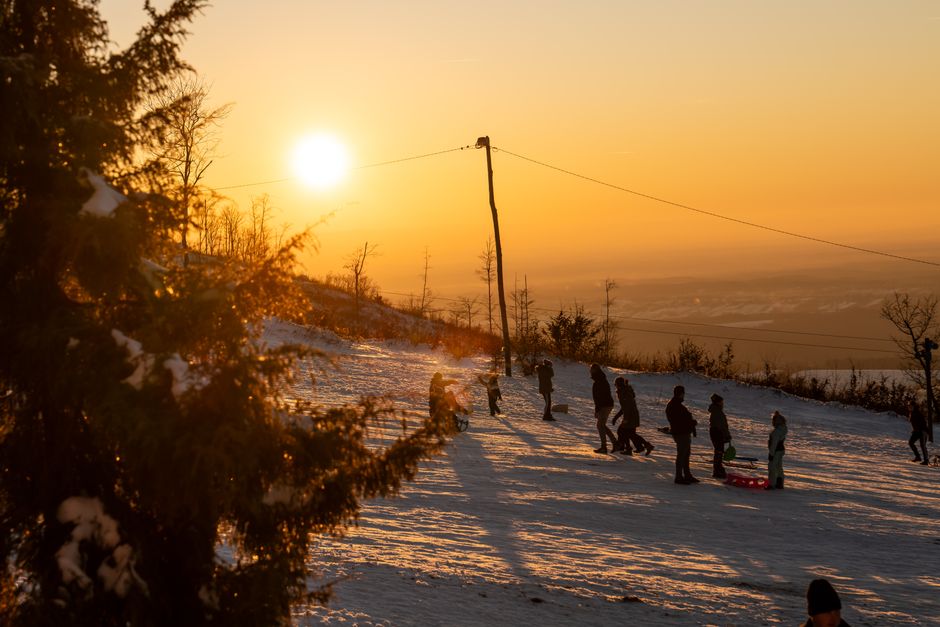
Plan two activity anchors, not a packed itinerary. One anchor should involve outdoor movement. The second should work indoors or close to home. This keeps the weekend active without making every hour depend on perfect weather.
1. Choose the two-hour anchor
Pick one destination within 30 minutes of home: a free trail, public library, community center, school playground, or open field. Set a simple finish line, such as reaching a viewpoint, completing a scavenger hunt, or walking one mile. A specific target works better than “get some exercise.”
2. Add a low-cost challenge
Give each family member one job. One person reads the map. One takes photos of winter textures. One counts stairs, bridges, or red doors. One carries the snack bag. These small roles reduce complaints because everyone has a reason to stay involved.
3. Protect the return home
Pack dry socks, water, a snack, and a plastic bag for wet clothes. Plan a warm finish within 30 minutes of returning: soup, a bath, board games, or a short movie. Do not schedule another paid event immediately afterward. The best weekend plan leaves enough energy for Sunday.
A practical two-day rhythm looks like this: Saturday morning outdoor movement, Saturday afternoon recovery and indoor play, Sunday morning a neighborhood mission, and Sunday afternoon free time. That structure creates activity without making the family feel managed.
Free and Low-Cost Winter Ideas With a Realistic Budget
The strongest low-cost combination
The best value is a neighborhood movement challenge followed by a library or community-center activity. It gives children outdoor time, warmth, variety, and a clear destination. Use a printed map or a free phone map. Avoid turning every outing into a restaurant trip, since food often becomes the largest hidden cost.
| Activity | Time | Typical family cost | Movement built in |
|---|---|---|---|
| Neighborhood photo scavenger hunt | 45 to 75 minutes | $0 | Walking, stairs, carrying a phone or list |
| Library walk and indoor game hour | 90 minutes | $0 to $5 | Walking plus standing and active games |
| Free museum or community-center day | 2 hours | $0 to $20 | Walking, stairs, and exploration |
| Park loop with packed lunch | 2 to 3 hours | $8 to $15 | Walking, climbing, balance, and play |
| Home obstacle course | 30 to 60 minutes | $0 | Squats, crawling, jumping, and balance |
Make indoor time active
Indoor activity does not require a finished basement or special equipment. Use painter’s tape to mark a balance line. Put cushions on the floor for stepping stones. Set a timer for five rounds: animal walks, dance, balloon volleyball, hallway bowling, and a quiet stretch. Keep each round under five minutes. Short rounds work well when ages and fitness levels vary.
For a four-person family, a useful weekend budget is $0 for two local walks, $10 for groceries used in a packed lunch, and up to $20 for one paid indoor admission. That keeps the total near $30 while leaving room for weather changes. The verdict: choose one paid highlight at most, then build the rest around public spaces and home-based games.
What Winter Gear Is Worth Buying—and What Is Not

Spend money on warm base layers before buying activity-specific equipment. Comfortable children stay outside longer, and base layers work for walking, sledding, hiking, and school recess. You do not need a family ski wardrobe for ordinary weekend movement.
The best first purchase
The REI Co-op Lightweight Base Layer Crew Top – Kids’ is listed at about $29.95, while the Midweight Base Layer Crew Top – Kids’ is about $34.95. The lightweight version suits active children who heat up quickly. The midweight version is the better pick for slower walks or cold, dry weather. Both are more useful than a thick cotton sweatshirt, which holds moisture next to the skin.
For families who already know merino works for them, the Smartwool Classic Thermal Merino Crew Base Layer Top – Kids’ usually lists around $65 to $70. It costs much more, but it handles repeated wear and odor better than many basic synthetics. My clear pick for most families is the REI Co-op midweight top because it gives enough warmth at roughly half the price.
When a cheaper layer wins
The Patagonia Capilene Midweight Base Layer Bottoms – Kids’ have a listed price around $39 and make sense for children who dislike bulky snow pants. The North Face DotKnit Thermal Base Layer Set – Kids’ lists around $70, but it is harder to justify for occasional park trips. Buy the cheaper layer when your family takes short walks, washes clothing often, or has several children sharing a seasonal budget.
What not to buy first
Do not begin with snowshoes, technical hiking boots, GPS watches, or a complete matching outerwear system. Borrow specialized gear from a library of things, outdoor club, neighbor, or rental program before spending. Replace worn gloves and wet socks first. Gear should solve a repeated problem, not create a new hobby your family may use twice.
Why Winter Plans Fail and How to Keep Going
What if one child refuses to go?
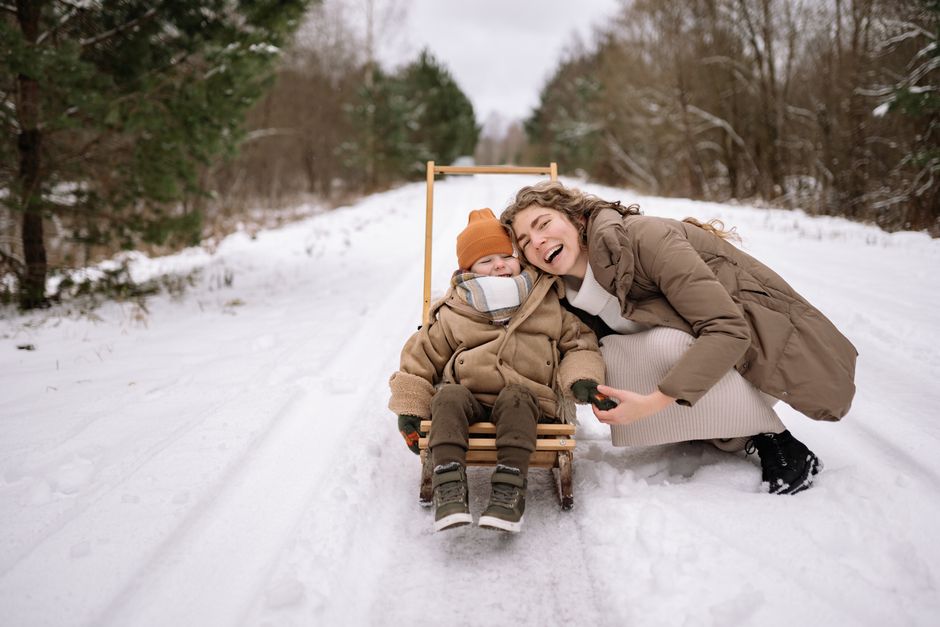
Lower the starting demand. Offer a 15-minute walk with permission to return, rather than announcing a three-hour outing. Let the reluctant child choose the route or carry the snack. A small win is more useful than a forced day that makes the next weekend harder.
What if the weather changes?
Use a simple switch rule before leaving home. If rain, ice, or wind crosses the family’s safety limit, replace the trail with a library walk, indoor obstacle course, or community-center visit. Do not spend 45 minutes debating after everyone is dressed. The backup should already be chosen.
What if the activity becomes too competitive?
Change the scoring. Count teamwork, unusual discoveries, or completed tasks instead of speed. A family hike should not turn into a race that leaves one child behind. Keep the pace slow enough for conversation and fast enough to stay warm.
The most reliable winter routine is modest: one outdoor block, one indoor backup, and one warm meal shared afterward. Once families learn that cold months can support simple movement without high costs, weekends stop waiting for spring. They become a steady part of the family’s health routine, with new local routes and challenges to discover as the season changes.
Medical Disclaimer: This content is for informational purposes only and does not constitute medical advice. Always consult a qualified healthcare professional before making health-related decisions.