By the time an individual reaches the age of 80, they may have lost up to 50 percent of their skeletal muscle mass compared to their peak years in early adulthood. This biological reality, known as sarcopenia, is not merely a cosmetic concern or a natural part of “slowing down.” It is a clinical progression that directly correlates with loss of independence, increased fall risk, and metabolic decline. While resistance training remains the primary intervention, the nutritional component—specifically the intake of high-quality protein—is where most seniors fail to meet the threshold required for muscle protein synthesis.
Older adults face a unique physiological hurdle called anabolic resistance. This means the aging body requires a higher concentration of amino acids, particularly leucine, to trigger the same muscle-building signals that a 20-year-old achieves with a much smaller meal. Consequently, the standard Recommended Dietary Allowance (RDA) of 0.8 grams of protein per kilogram of body weight is increasingly viewed by geriatric researchers as insufficient. For those over 65, the target often shifts to 1.2 to 1.5 grams per kilogram. Achieving this through whole foods alone can be difficult due to reduced appetite or dental issues. This is where high-quality protein powders become a strategic necessity rather than a luxury supplement.
Why do seniors need more protein than younger adults?
The primary driver for increased protein needs in the elderly is the aforementioned anabolic resistance. In younger populations, the body is highly sensitive to insulin and amino acid intake. A small chicken breast or a glass of milk is often enough to stimulate muscle repair. However, as we age, the molecular pathways that signal muscle growth become “deaf” to low doses of protein. Research suggests that while 20 grams of whey protein might maximize muscle protein synthesis in a young man, a senior may require 35 to 40 grams of the same protein to achieve a similar physiological response.
Beyond muscle maintenance, protein is the bedrock of the immune system and bone density. Collagen, the most abundant protein in the body, provides the structural framework for bones. When protein intake is chronically low, the body may strip nitrogen from muscle tissue to support vital organ function, leading to a frailty spiral. Furthermore, many seniors suffer from “anorexia of aging,” a natural decline in hunger. Protein powders provide a high-nutrient density in a liquid format that is easier to consume when a full steak or a large portion of beans feels overwhelming.
The role of the Leucine Trigger
Not all proteins are created equal for the aging body. The “Leucine Trigger” hypothesis is a critical concept for anyone shopping for supplements in this category. Leucine is a branched-chain amino acid (BCAA) that acts as the primary signal for the mTOR pathway, which is essentially the body’s “on switch” for building muscle. For seniors, a protein powder must provide at least 2.5 to 3 grams of leucine per serving to overcome anabolic resistance. This is why whey protein is frequently cited as the gold standard in clinical studies; its leucine content is naturally higher than most plant-based sources.
What is the best type of protein for older muscle health?
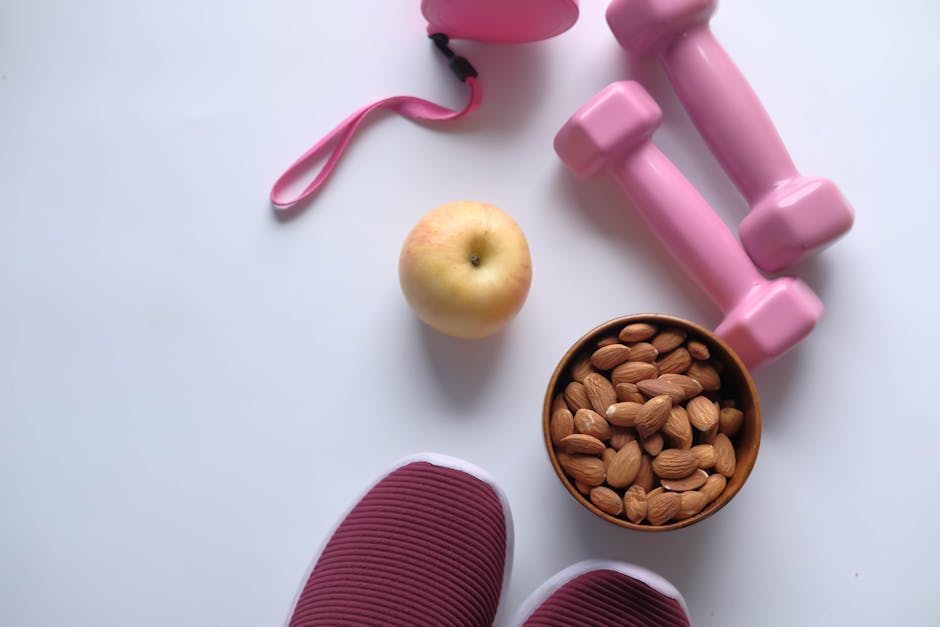
When navigating the aisles of a retail pharmacy or an online storefront like those found via Awin retail partners, the sheer variety of protein sources can be paralyzing. For the elderly, the choice usually boils down to three main categories: whey, casein, and plant-based blends. Each has a specific metabolic profile that suits different times of the day or digestive capabilities.
Whey protein isolate is widely considered the most effective for seniors. It is a “fast-acting” protein, meaning it is rapidly digested and results in a sharp spike of amino acids in the bloodstream. This spike is exactly what is needed to overcome the higher threshold of anabolic resistance. Isolate versions are filtered to remove most lactose and fat, making them better for those with sensitive stomachs. Casein, on the other hand, is a “slow-release” protein. It clots in the stomach and releases amino acids over six to eight hours. This makes it an excellent choice for a pre-bedtime snack to prevent muscle breakdown during the overnight fast.
Plant proteins have historically been viewed as inferior for seniors because they often lack certain essential amino acids or have lower leucine levels. However, modern formulations that blend pea, rice, and hemp can achieve a complete amino acid profile. For a senior following a vegan diet or dealing with a severe dairy allergy, these blends are viable, provided the dosage is increased to compensate for the slightly lower bioavailability compared to whey.
| Protein Type | Digestion Speed | Leucine Content | Best Use Case |
|---|---|---|---|
| Whey Isolate | Fast | Very High | Post-exercise or breakfast |
| Micellar Casein | Slow | Moderate | Before sleep |
| Pea/Rice Blend | Medium | Moderate (if blended) | Dairy-free/Vegan needs |
| Collagen | Fast | Very Low | Joint and skin health only |
Top-rated protein powders for seniors: Features and pricing
Choosing a specific product requires balancing protein quality, caloric density, and price. Many products marketed specifically to “seniors” are often lower in actual protein and higher in sugar than standard fitness-oriented powders. It is often better to look for high-purity “clean” powders and customize them at home. Below are several options frequently available through major retail outlets.
Optimum Nutrition Gold Standard 100% Whey
This is perhaps the most widely recognized protein powder globally, often retailing for approximately $44.99 for a 2lb tub. It utilizes a blend of whey isolate, concentrate, and peptides. Each serving provides 24 grams of protein and roughly 5.5 grams of naturally occurring BCAAs, including a significant dose of leucine. The primary advantage here is the consistency of the flavor and the ease of mixing; it doesn’t require a blender. A potential drawback for some seniors is the inclusion of artificial sweeteners like acesulfame potassium, which can leave a metallic aftertaste.
Garden of Life Raw Organic Protein
For those who prefer a plant-based route, this product (retailing around $38.00 for 20oz) offers 22 grams of protein derived from 13 raw sprouted ingredients. It includes fat-soluble vitamins and live probiotics, which can assist with the digestive issues common in older age. The pro is the exceptionally clean ingredient list—no synthetic flavors or sweeteners. The con is the texture; plant proteins are inherently grittier than dairy, which might be off-putting for those with sensory sensitivities or who prefer a smooth milkshake consistency.
Ensure Max Protein
Ensure is a brand deeply embedded in the clinical nutrition space. Their Max Protein shakes (roughly $11.00 for a 4-pack of ready-to-drink bottles) are designed for convenience. With 30 grams of protein and only 1 gram of sugar, they target the exact needs of a senior looking to maintain muscle without a glucose spike. The main benefit is the “grab-and-go” nature, requiring no prep. However, the cost per gram of protein is significantly higher than buying bulk powder, and it contains several stabilizers and thickeners (like carrageenan) that some users prefer to avoid.
Note on Collagen: While collagen peptides are popular for joint health, they are not a complete protein. They lack tryptophan and are very low in leucine. Do not rely on collagen as your primary protein source for muscle maintenance.
How to choose protein powder with digestive sensitivities in mind

Aging often brings changes to the gastrointestinal tract. A decrease in the production of lactase—the enzyme needed to digest dairy—is common, leading to bloating or gas after consuming whey concentrate. If you experience discomfort, switching to a Whey Protein Isolate is the first step. Because the isolation process removes nearly all the lactose, most people with mild intolerances can handle it without issue.
Another factor is the presence of sugar alcohols like erythritol or xylitol. These are frequently used in “low carb” protein powders to provide sweetness without calories. In some seniors, these can cause osmotic diarrhea or significant bloating. If you have a sensitive stomach, look for powders sweetened with stevia or monk fruit, or better yet, buy an unflavored version and add your own fruit or a drop of honey. Unflavored powders also offer the versatility of being stirred into savory dishes like soups or mashed potatoes without altering the flavor profile toward “chocolate” or “vanilla.”
The importance of digestive enzymes
Some premium protein powders now include added digestive enzymes such as protease or amylase. These can be particularly beneficial for older adults whose natural enzyme production may be waning. Protease helps break down long protein chains into absorbable amino acids more efficiently. If you find that protein shakes leave you feeling “heavy” for hours, a product with an added enzyme blend or taking a separate digestive enzyme supplement alongside your shake can drastically improve tolerance.
What are the key ingredients to look for besides protein?
While protein is the star of the show, certain co-factors can enhance its effectiveness for the elderly. When scanning the label of a supplement at a retail store, look for these specific additions that support musculoskeletal health. These ingredients often differentiate a generic fitness supplement from one that is truly optimized for healthy aging.
- Vitamin D3: There is a synergistic relationship between Vitamin D and protein. Low levels of Vitamin D are associated with reduced muscle strength and a higher risk of falls. Many seniors are chronically deficient. A protein powder that includes 1,000 IU or more of D3 can help bridge this gap.
- HMB (Beta-hydroxy-beta-methylbutyrate): This is a metabolite of leucine. Clinical trials have shown that HMB is particularly effective at preventing muscle wasting during periods of bed rest or illness in the elderly. It is found in specialized clinical powders like Ensure Enlive.
- Calcium and Magnesium: To support bone density alongside muscle growth, these minerals are essential. Magnesium also plays a role in muscle relaxation and can help prevent the nocturnal leg cramps that many seniors experience.
- Fiber: High-protein diets can sometimes lead to constipation if fiber intake isn’t adjusted. Some protein powders include 3-5 grams of soluble fiber (like inulin or chicory root), which helps maintain bowel regularity.
Avoiding the “Sugar Trap”
Many meal replacement shakes marketed to seniors are surprisingly high in maltodextrin or corn syrup solids. These are essentially sugars that can cause rapid spikes in blood glucose, which is problematic for the large percentage of seniors with pre-diabetes or Type 2 diabetes. Always check the “Added Sugars” line on the nutrition facts panel. Aim for less than 3 grams per serving. If a product lists sugar as one of the first three ingredients, it is likely more of a weight-gain shake than a health supplement.
Practical ways to incorporate protein powder into a daily diet

Drinking a chalky shake with water is rarely an appealing prospect. To make protein supplementation a sustainable habit, it needs to be integrated into existing meals. The most effective time for a senior to consume protein is at breakfast. Most people eat a carbohydrate-heavy breakfast (toast, cereal) and back-load their protein at dinner. However, the body cannot “store” protein; it needs a steady supply throughout the day to keep the muscle-building machinery running.
- The Protein-Fortified Oatmeal: Prepare your oatmeal as usual, but once it is cooked, stir in a scoop of vanilla whey protein. You may need to add an extra splash of milk or water to maintain the texture. This turns a low-protein meal into a powerhouse containing 30+ grams of protein.
- Smoothie Enhancements: Use a blender to combine a scoop of unflavored or berry-flavored protein with Greek yogurt, a handful of spinach, and frozen blueberries. The Greek yogurt adds even more protein and a creamy texture, while the berries provide antioxidants.
- Baking and Soups: Unflavored pea or whey protein can be added to pancake batter, muffin mixes, or even stirred into warm (not boiling) soups. Be careful not to boil whey protein directly, as it can denature and change the texture of the liquid, making it “clumpy.”
- The “Proffee”: For coffee lovers, mixing a scoop of chocolate protein powder into your morning coffee (use a handheld frother for best results) creates a high-protein mocha that starts the day with an amino acid spike.
Consistency is more important than perfection. Whether you choose a high-end isolate from a specialized retailer or a convenient ready-to-drink option from a local pharmacy, the goal remains the same: hitting that 1.2 to 1.5 grams per kilogram target. By prioritizing high-leucine sources and managing digestive comfort, the elderly can significantly slow the progression of sarcopenia and maintain their physical autonomy well into their later decades. Nutrition is a tool; when used with the precision of a deep researcher, it becomes a formidable defense against the biological toll of time.