Forget the idea that any freshly squeezed juice is automatically good for stress. A 12-ounce glass of cold-pressed apple-orange-pineapple juice contains 40–50 grams of sugar, no meaningful magnesium, and nothing that directly touches cortisol regulation. It tastes clean. It photographs well. It does not help with chronic stress in any clinically meaningful way.
The recipes that actually work are built differently — lower sugar, higher mineral content, and specific adaptogenic or anti-inflammatory ingredients added with intention. Here is how to build them.
Why Sweet Juice Often Makes Stress Worse
Cortisol and blood sugar are tightly linked — and most fruit-forward juices push both in the wrong direction.
Cortisol signals the liver to release glucose as part of the stress response. When you add a high-fructose juice on top of that, you compound blood sugar fluctuation. The crash that follows then triggers additional cortisol release. It is a feedback loop, not a relief valve.
This does not mean fruit is off the table entirely. It means the ratio matters. A juice that is 70% vegetables and 30% fruit behaves very differently metabolically than the reverse. The real goal is a low glycemic load, high magnesium content, and specific ingredients that support the HPA axis — the hormonal system governing cortisol production.
One more thing worth saying upfront: stress relief marketing gets attached to almost anything. Cucumber water with mint is a pleasant beverage. It is not a cortisol intervention. The ingredients that actually affect cortisol are specific, and the rest of this article covers only those.
The Ingredients With Real Evidence Behind Them
Each ingredient below earns its place based on human trial data — not animal studies, not cell research. The dose matters, the form matters, and the timing matters.
Ashwagandha: The One Adaptogen Worth the Hype
Ashwagandha (Withania somnifera) has the most consistent evidence of any adaptogen for cortisol reduction. A 2019 randomized controlled trial published in Medicine found that 240mg of KSM-66 ashwagandha extract reduced serum cortisol by approximately 22% compared to placebo over 60 days. That is a real, measurable effect in human participants under controlled conditions.
Ashwagandha does not juice — it is a root that is powdered or extracted. Add it as a stir-in after juicing. Navitas Organics makes an organic ashwagandha powder that blends without clumping. Gaia Herbs produces a liquid extract that integrates more smoothly into cold juice. One teaspoon of powder (roughly 300mg) or 1ml of liquid extract per serving is the standard dose. The flavor is earthy and slightly bitter — pair it with lemon or ginger to compensate.
Important note: ashwagandha is contraindicated with certain thyroid medications and sedatives. If you take either, check with your doctor before making this a daily habit.
Tart Cherry: The Evening Cortisol Tool
Montmorency tart cherries are naturally high in melatonin and anthocyanins. Both support the evening cortisol decline that allows restful sleep. A 2018 pilot study in the American Journal of Therapeutics found that two cups of Montmorency tart cherry juice daily improved sleep efficiency and reduced insomnia severity scores over two weeks. Cortisol and sleep quality reinforce each other — improving one tends to improve the other.
Juicing fresh tart cherries is seasonal and expensive. Lakewood Organic Pure Tart Cherry juice ($12–$15 for 32oz at most health retailers) uses Montmorency cherries with no added sugar and is the most practical option. Use 8–10oz as a base for evening recipes, diluted slightly if you prefer it less tart.
Magnesium-Dense Greens
Magnesium deficiency directly heightens the HPA axis stress response. A 2026 review in Nutrients linked low magnesium status to elevated anxiety and higher cortisol reactivity under pressure. The average person consumes roughly 66% of the daily magnesium RDA — a meaningful shortfall when the body is under regular stress.
Spinach is the most practical green for juicing: it yields high juice volume and contains approximately 157mg of magnesium per raw cup. Swiss chard delivers roughly 150mg per cup. Two large handfuls of spinach in a recipe adds real magnesium — not enough to replace a dedicated supplement if you are clinically deficient, but a meaningful contribution stacked onto dietary sources.
Red and Yellow Bell Pepper: Adrenal Vitamin C
The adrenal glands — which produce cortisol — have the highest vitamin C concentration of any organ in the body. Chronic stress depletes adrenal vitamin C rapidly. Replenishing it supports healthy cortisol regulation. Red bell peppers contain approximately 190mg of vitamin C per medium pepper. Yellow bell peppers are even higher at around 341mg per cup. That is nearly three times the vitamin C of an orange, with a fraction of the fructose. Bell pepper is the single most efficient vitamin C source for a low-sugar stress juice.
Beet Root and Ginger
Beet root’s dietary nitrates convert to nitric oxide in the body, relaxing blood vessel walls — a direct counter to the vascular tension that accompanies acute stress. One small beet delivers roughly 200–300mg of dietary nitrate when juiced. Ginger at 2–4 grams per day (approximately a 1-inch piece) has demonstrated measurable anti-inflammatory effects on cytokines that are elevated during chronic stress. It also significantly improves the palatability of vegetable-heavy blends. That alone makes it worth including in every recipe here.
Five Recipes to Make This Week
These are complete recipes with specific quantities per single serving (approximately 12–14oz of finished juice). Use a masticating juicer for green-heavy recipes; a centrifugal model is adequate for beet and carrot bases.
- The Cortisol Reset (Morning)
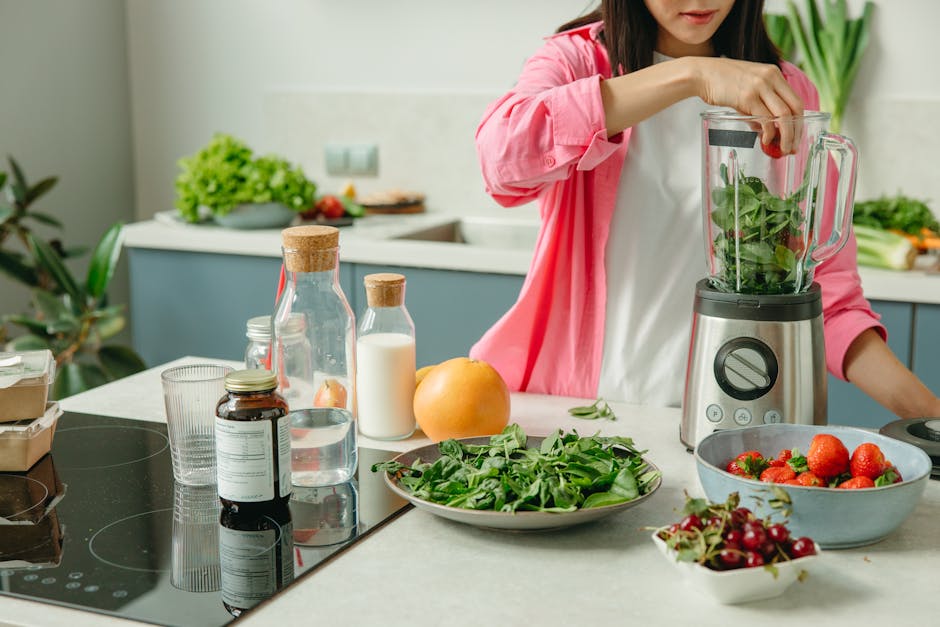
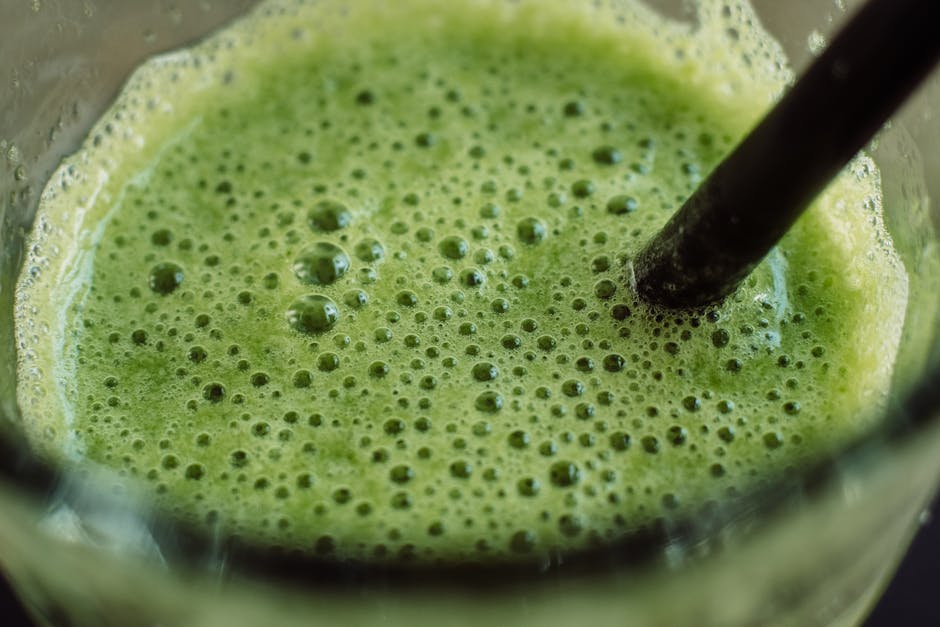
2 large handfuls baby spinach, 1 medium cucumber, 1 red bell pepper, 1/2 lemon peeled, 1-inch ginger piece, 1 tsp Navitas Organics ashwagandha powder stirred in after juicing. Drink within 20 minutes — the vitamin C from the bell pepper degrades quickly once exposed to air. This is the most functionally complete recipe on this list. - The Evening Wind-Down
8oz Lakewood Organic tart cherry juice, 2 stalks celery, 1/2 small beet, 1/2-inch ginger, 1/4 cup Swiss chard. Juice the vegetables first, then stir into the tart cherry juice as the base. Drink 45–60 minutes before bed. The tart cherry delivers melatonin support; the beet helps normalize blood pressure after a high-cortisol day. - The Adrenal Support Blend (Mid-Morning)
3 stalks celery, 1 large cucumber, 2 green apples with skin on, 1 lemon peeled, 1/2-inch fresh turmeric root, pinch of black pepper added after juicing. Black pepper’s piperine increases curcumin absorption by up to 2,000% — a small amount goes a long way. This is the most approachable recipe here in terms of flavor. The green apple keeps glycemic load moderate while making it drinkable without effort. - The Physical Tension Formula (Afternoon)
1 medium beet, 2 medium carrots, 1 orange peeled, 1-inch ginger, 1 small handful flat-leaf parsley. Parsley is one of the most magnesium-dense herbs available — roughly 30mg per half cup. The beet-carrot base is naturally sweet enough to carry the recipe; the orange adds vitamin C and rounds out the flavor. This one genuinely tastes good without compromise. - The Midday Reset (Light Option)
1 cup fresh pineapple chunks, 1/2 cucumber, 2 stalks celery, 1/2 lime peeled, small handful fresh mint, 1 tsp magnesium glycinate powder stirred in after blending. Now Foods and Pure Encapsulations both make unflavored magnesium glycinate powder that dissolves cleanly. Pineapple’s bromelain contributes mild anti-inflammatory effects. This is the lightest recipe here — appropriate if your stress manifests as digestive tightness rather than tension headaches.
Which Juicer Actually Works for These Recipes
Leafy greens are where inexpensive juicers fail completely. The centrifugal mechanism spins fast, generates heat, and leaves significant juice in the pulp — particularly with spinach and chard. Here is a direct comparison of the four categories worth knowing about.
| Juicer | Type | Price | Leafy Green Yield | Best Recipes | Verdict |
|---|---|---|---|---|---|
| Breville JE98XL Juice Fountain Plus | Centrifugal | ~$150 | Poor — wet pulp, low extraction | Recipes 3, 4 (beet, carrot, apple) | Reasonable entry point for hard produce. Weak on spinach and chard. |
| Omega NC900HDC | Masticating horizontal | ~$350 | Excellent — 25–30% more juice from greens | All five recipes | Best all-rounder. The clear pick for regular green-heavy juicing. |
| Hurom H-AA Slow Juicer | Masticating vertical | ~$400 | Very good | All five recipes | Performs comparably to the Omega but costs more. Easier to load produce. |
| NutriBullet Pro 900 | Blender | ~$100 | N/A — retains all fiber | Recipe 5 (Midday Reset) | Not a juicer. Different texture entirely. Useful only for adaptogen powder blends. |
The Omega NC900HDC is the right choice for anyone making green-heavy recipes more than twice a week. Extracting 25–30% more juice from spinach means more magnesium and chlorophyll per batch, and you use less produce over time — which partially offsets the higher upfront cost.
If you are starting with beet-and-carrot-forward recipes and working up to greens, the Breville JE98XL at $150 is a reasonable starting point. Just know its limitations before you get frustrated with spinach output.
Three Reasons Your Stress Juice Is Not Working
Is the fruit-to-vegetable ratio flipped?
The most common mistake: four apples, two oranges, and a token handful of spinach — then calling it a stress relief juice. Four medium apples contain roughly 76 grams of sugar. For cortisol management, the vegetable base needs to dominate, with fruit used sparingly for flavor. If your juice tastes like fruit punch, it is functioning like fruit punch. The fix is simple — rebuild the recipe from the vegetable side and add fruit last, in small amounts, only as needed for palatability.
Are you drinking it at the wrong time?
Cortisol follows a predictable daily rhythm, peaking between 6am and 8am and declining through the afternoon into evening. Drinking an adaptogen-heavy blend at 9pm does almost nothing to address that morning cortisol spike. Match the recipe to the time: vitamin C and ashwagandha in the morning when cortisol is most active; tart cherry and magnesium in the evening when cortisol should be declining and melatonin production begins. Timing is not a minor detail — it is where most juicing routines go wrong.
Are you measuring results on the wrong timeline?
Ashwagandha requires 4–8 weeks to show measurable cortisol effects in controlled trials. Magnesium repletion, if you are running a meaningful deficit, takes several weeks of consistent intake. Juicing for stress is not an acute intervention — it is a nutritional strategy that compounds over time.
Three days of green juice will not move your cortisol numbers. Neither will two weeks. The participants in ashwagandha trials who saw the 22% cortisol reduction were taking it consistently for 60 days. People who report meaningful stress reduction from juicing routines have typically maintained them for 6–10 weeks without interruption.
Start with the Cortisol Reset each morning and the Evening Wind-Down 45 minutes before bed. Run that two-recipe routine for eight straight weeks before evaluating whether it is working. That is the actual trial period — and it matches the timeline every piece of credible clinical research on these ingredients uses.
Medical Disclaimer: This content is for informational purposes only and does not constitute medical advice. Always consult a qualified healthcare professional before making health-related decisions.