
Which vitamin supplement is actually worth your money? That sounds like a simple question. The supplement industry has spent decades making sure it isn’t.
The global supplement market hit $177 billion in 2026. A significant portion of that revenue flows from products with weak evidence, poor bioavailability, and zero third-party testing. The challenge isn’t finding a supplement — it’s finding one that does what the label claims.
This guide covers which vitamins have genuine clinical backing, how to read a supplement label without being misled, which specific products pass quality standards, and when taking a supplement can actively hurt you.
The Evidence Scorecard: How Major Vitamins Actually Compare
Not all vitamins carry equal research support. Some have decades of randomized controlled trials behind them. Others ride on weak correlation data dressed up as causation. Here’s the breakdown:
| Vitamin / Mineral | Who Needs It | Evidence Strength | Best Form | Standard Daily Dose |
|---|---|---|---|---|
| Vitamin D3 | Most adults, especially indoor workers | Strong | Cholecalciferol (D3) | 1,000–2,000 IU |
| Magnesium | People with poor diet, chronic stress, poor sleep | Strong | Glycinate or Malate | 200–400 mg elemental |
| Vitamin B12 | Vegans, vegetarians, adults over 50 | Strong | Methylcobalamin | 500–1,000 mcg |
| Folate | Pregnant women, MTHFR gene variants | Strong | Methylfolate (5-MTHF) | 400–800 mcg |
| Omega-3 | People eating little oily fish | Moderate to Strong | EPA + DHA from fish oil | 1–2 g EPA+DHA combined |
| Vitamin C | Rarely needed with a fruit-rich diet | Weak (healthy adults) | Ascorbic acid | 500 mg max |
| Iron | Women with heavy periods, confirmed deficiency | Essential if deficient | Ferrous bisglycinate | Test first — never guess |
| Zinc | Short-term cold reduction only | Moderate | Zinc gluconate or picolinate | 15–30 mg short-term only |
Vitamins with consistent clinical support
Vitamin D3, magnesium, B12, and folate have the strongest evidence for supplementation in populations with documented deficiency or high deficiency risk. Vitamin D deficiency affects an estimated 40% of U.S. adults — particularly those who work indoors or live in northern latitudes. Magnesium deficiency is similarly widespread due to soil depletion and processed food diets. B12 deficiency is nearly universal in strict vegans who don’t supplement.
Where food consistently beats supplements
Vitamin C, vitamin A, and potassium are better absorbed from whole foods than from pills. Most adults eating vegetables get enough vitamin C from diet alone. Supplementing beyond 500 mg/day shows no additional benefit and may raise kidney stone risk. With iron: supplementing without a confirmed blood deficiency can be actively harmful over time, causing liver damage and oxidative stress at high doses.
Bioavailability: Why the Cheapest Vitamin Often Does Nothing

Two supplements can both say “Magnesium 500mg” on the label and deliver completely different results. The reason is bioavailability — what percentage of an active ingredient your body actually absorbs. This is where most supplement buyers waste money without realizing it.
The form problem: oxide vs. glycinate vs. citrate
Magnesium oxide has roughly 4% bioavailability. That 500mg tablet delivers around 20mg of usable magnesium. Magnesium glycinate and malate have bioavailability between 60–80%. That’s not a marginal difference. It’s the difference between a supplement that works and one that produces nothing except a lighter wallet.
The same principle applies to B12. Cyanocobalamin is the cheapest form and appears in most grocery store multivitamins. Methylcobalamin is the form your body actually uses, requiring no conversion step. For people with MTHFR gene variants — common across 10–15% of the population — cyanocobalamin may not convert properly at all. Methylcobalamin costs more. It’s worth the price difference.
Folate vs. folic acid follows the same logic. Methylfolate (5-MTHF) is the bioactive form. Folic acid requires enzymatic conversion that some people can’t complete efficiently. If you’re pregnant or trying to conceive, this is not a minor distinction.
Fat-soluble vitamins and timing
Vitamins A, D, E, and K dissolve in fat, not water. Taking them on an empty stomach wastes a significant share of the dose. Take these with a meal containing at least 10 grams of fat — avocado, eggs, olive oil, or any normal meal qualifies. Vitamin D absorption increases up to 50% when taken with a high-fat meal compared to fasting.
Gummies, tablets, capsules — does format matter?
Gummies are convenient but regularly underdeliver. Heat during manufacturing degrades certain vitamins. Multiple 2026 ConsumerLab reviews found gummy vitamin D and B12 products containing significantly less active ingredient than the label stated. Capsules outperform tablets for most nutrients because they dissolve faster and don’t require binders that slow absorption. If you use gummies for palatability, check that the product has third-party verification.
Third-Party Testing: The Only Quality Signal You Can Trust
The FDA does not approve supplements before sale. Manufacturers self-report ingredient amounts with no mandatory pre-market verification. The only real quality signal comes from independent labs. Here are the four certifications worth trusting:
- USP Verified — United States Pharmacopeia confirms that the product contains what the label claims, with no harmful contaminants. Nature Made, Kirkland Signature (Costco), and several Solgar products carry this mark.
- NSF International — Similar scope to USP, with additional safety screening. Widely respected in clinical and athletic supplement circles.
- Informed Sport — Most rigorous for banned substance screening. Critical for competitive athletes. Less necessary for general supplementation.
- ConsumerLab — An independent subscription service publishing lab test results for hundreds of products. Excellent for comparing specific brands head-to-head before buying.
What these certifications don’t tell you
They verify content and purity — not that the supplement will produce a specific health outcome for you. Certification equals quality control, not a clinical guarantee.
Red flags to walk away from
Proprietary blends that hide individual ingredient doses. “Natural” and “whole food” claims without any third-party seal. Products listing “Vitamin D” without specifying D2 or D3. Anything marketed as treating a named disease condition — that crosses from supplement to drug territory under FDA rules, and companies making those claims are either misinforming buyers or inviting regulatory action.
The Deficiency-First Rule
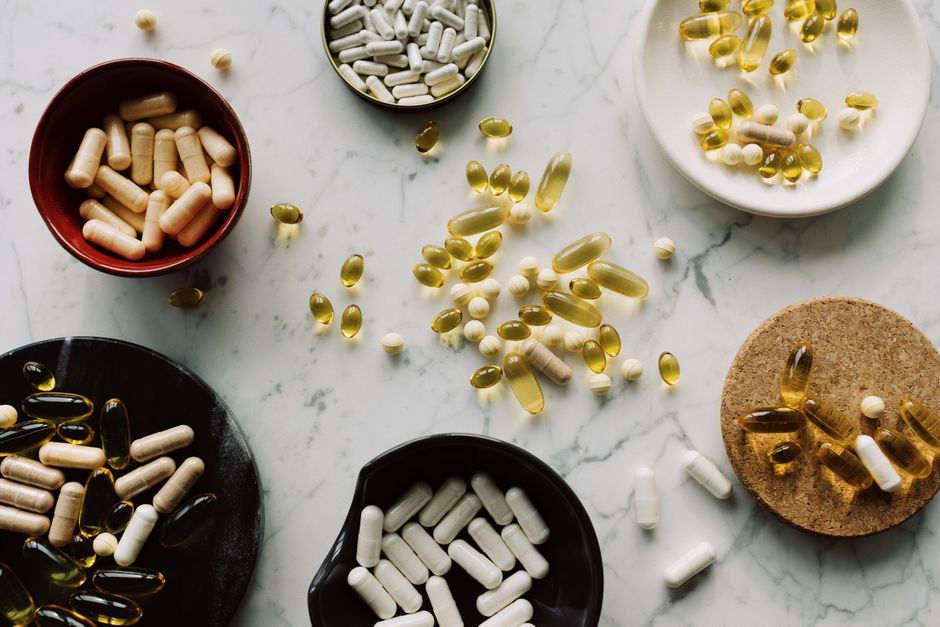
Get bloodwork before spending money on supplements. A standard panel covering vitamin D, B12, iron, and magnesium costs $50–$150 without insurance — far less than most people spend on supplements in a year. Supplementing a vitamin you aren’t deficient in produces no measurable benefit. For fat-soluble vitamins, it creates real risk.
Specific Vitamin Supplements Worth Buying
These are concrete picks — not conditional suggestions. Each has verified quality, the correct bioavailable form, and a strong track record in third-party testing.
Best vitamin D3 supplement
Nature Made Vitamin D3 2000 IU (approximately $12 for 90 softgels) is the default choice for most adults. USP Verified, D3 form (not D2), taken with a fat-containing meal. For people needing higher doses or with documented absorption issues, Thorne Vitamin D/K2 Liquid Drops (approximately $25 for 1 fl oz) deliver 500 IU D3 plus 20 mcg K2 as MK-4 per drop. D3 and K2 work together for calcium metabolism — the combination matters more than either alone at higher dose ranges.
Best magnesium supplement
The pick is NOW Foods Magnesium Glycinate 200mg (approximately $20 for 180 capsules). Glycinate form, 200mg elemental magnesium per serving, NSF tested, no unnecessary fillers. Do not buy magnesium oxide — the form is nearly inert at physiological doses.
Best B12 and omega-3 picks
Solgar Methylcobalamin B12 1000 mcg (approximately $18 for 60 sublingual nuggets) dissolves under the tongue, bypassing absorption issues some people face in the gut. Sublingual delivery reaches the bloodstream faster than swallowed tablets. For omega-3s, Nordic Naturals Ultimate Omega (approximately $45 for 60 softgels) delivers 1,280 mg EPA+DHA per two-capsule serving with third-party oxidation testing included. Rancid fish oil is a real and common problem in budget brands — oxidized omega-3s may promote the inflammation they’re supposed to reduce.
When Vitamin Supplements Cause Harm
Can you overdose on vitamins?
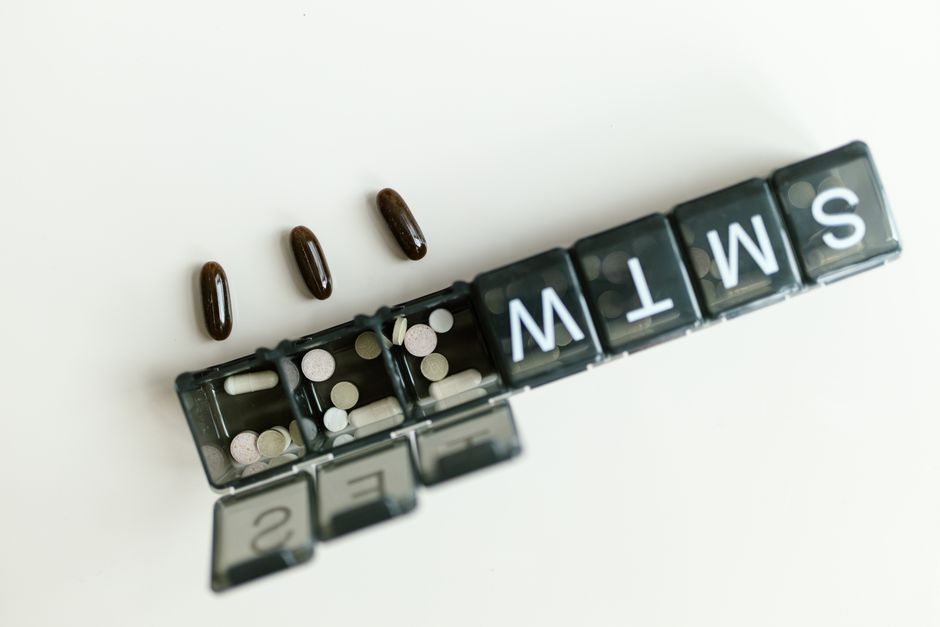
Yes — specifically fat-soluble vitamins (A, D, E, K). These accumulate in body fat and the liver rather than flushing out. Chronic vitamin D intake above 10,000 IU/day causes toxicity in most adults: hypercalcemia, impaired kidney function, and cardiovascular effects. High-dose vitamin A during pregnancy causes birth defects at doses some prenatal supplements approach. Even water-soluble vitamins aren’t fully safe at high doses: sustained B6 intake above 100 mg/day causes peripheral nerve damage. Vitamin C above 2,000 mg/day elevates kidney stone risk in people with an oxalate stone history.
Do supplements interact with common medications?
Several interactions are frequently missed. Vitamin K supplements directly counteract warfarin. Calcium and magnesium compete for absorption — taking both simultaneously reduces the effectiveness of each. Iron blocks absorption of certain antibiotics (fluoroquinolones, tetracyclines) and thyroid medications like levothyroxine. St. John’s Wort, sold widely as a mood supplement, reduces the effectiveness of birth control pills, antiretrovirals, and organ rejection medications. Always disclose what you’re taking to your prescribing doctor — “it’s just a supplement” is not a safe assumption.
Which supplement categories should you skip entirely?
Products with proprietary blends
Medical Disclaimer: This content is for informational purposes only and does not constitute medical advice. Always consult a qualified healthcare professional before making health-related decisions.