Most home gyms are graveyards for expensive machines that get used twice. The Peloton that becomes a clothes rack. The Bowflex that collects dust. That’s not a workout problem — it’s a planning problem.
Here’s the truth: you don’t need a room full of gear to get strong at home. You need maybe four pieces of equipment, chosen for your specific goal, and a plan to use them. This article skips the fluff and tells you exactly what to buy, what to skip, and why.
The Minimum Viable Home Gym: Three Pieces That Cover Everything
If I had to start from zero with $300, here’s what I’d buy. No machines. No gimmicks. Just three items that let you train every major muscle group with progressive overload.
Adjustable Dumbbells
Fixed dumbbells take up an entire wall. Adjustable ones take up a shoebox. The Bowflex SelectTech 552 (5-52.5 lbs, $429) is the gold standard, but the PowerBlock Elite EXP 90 (5-90 lbs, $599) gives you more range for heavier lifts. If your budget is tight, the Yes4All Adjustable Dumbbells ($180, 20-40 lbs per pair) work fine for beginners. Look for a quick-change mechanism — you don’t want to spend your rest periods unscrewing collars.
Resistance Bands
Bands are cheap, portable, and deceptive. A set from WODFitters ($45, 5-band set with varying resistance) gives you 30-150 lbs of resistance for under $50. They’re not a replacement for heavy weights, but they add variable resistance at the top of movements where your muscles are strongest. Use them for pull-up assistance, banded push-ups, and glute work.
A Pull-Up Bar
The Iron Gym Total Upper Body Workout Bar ($30) fits most doorframes without screws. It handles 300 lbs. That’s it. No installation, no holes in your wall. Pull-ups, chin-ups, hanging knee raises — one bar unlocks more exercises than a $2,000 cable machine.
Verdict: For $275-600, you get a full-body gym that fits in a closet. Spend the rest on a good mat (the Gaiam Premium Yoga Mat, $25, 6mm thick) and a pair of workout shoes you don’t wear outside.
The Equipment You Should Never Buy (And Why People Buy It Anyway)
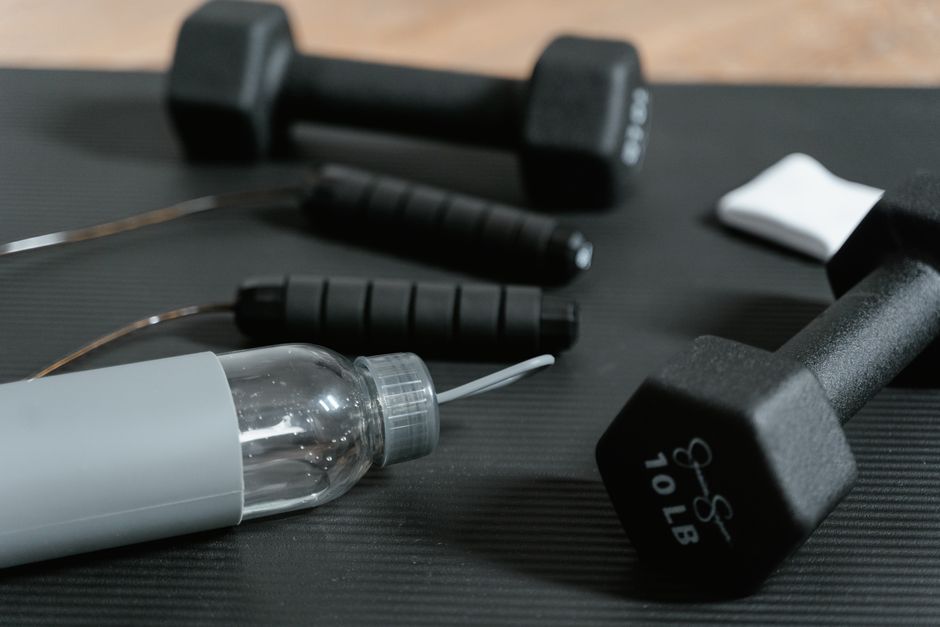
This section is going to annoy some people. Good. Stop wasting money on these three things.
Ab Machines
Every ab machine — the rollers, the sit-up benches, the electric stimulators — does one thing well: takes up space. Your abs are made in the kitchen and trained with compound lifts. Planks, hanging leg raises, and heavy squats build a stronger core than any $200 gadget. Skip it.
Vibration Plates
Vibration plates claim to boost muscle activation by 30%. The research is thin and inconsistent. A 2019 meta-analysis in the Journal of Sports Science and Medicine found no meaningful strength gains from vibration training alone. If you want stronger legs, do lunges. They cost $0.
Fancy Cable Machines
The Bowflex Revolution ($2,300) and similar machines look impressive. They also cost as much as a used car and break down. The resistance bands and dumbbells above do 90% of what a cable machine does for 10% of the price. Unless you’re a professional bodybuilder rehabbing a specific injury, skip the big machine.
Failure mode: People buy these machines because they think equipment equals motivation. It doesn’t. Motivation comes from a plan and consistency. The fanciest machine in the world won’t help if you don’t use it.
How Many Days Per Week? A Honest Schedule You Can Actually Stick To
Three days. That’s the sweet spot for 90% of people. More than that and you burn out. Less than that and you don’t see progress. Here’s a sample plan using just the equipment above.
| Day | Focus | Exercises | Sets x Reps |
|---|---|---|---|
| Monday | Push (chest, shoulders, triceps) | Dumbbell bench press, overhead press, banded push-ups, tricep extensions | 3 x 8-12 |
| Wednesday | Pull (back, biceps, core) | Pull-ups (or band-assisted), dumbbell rows, bicep curls, hanging knee raises | 3 x 8-12 |
| Friday | Legs + core | Dumbbell squats, lunges, deadlifts (with dumbbells), banded glute bridges, planks | 3 x 10-15 |
Each session should take 35-45 minutes. No warm-up longer than 5 minutes (jumping jacks, arm circles, leg swings). Rest 60-90 seconds between sets. Track your weights — if you can do 12 reps easily, go up in weight next week. That’s progressive overload. That’s how you grow.
When to Skip Buying Equipment Altogether (And What to Do Instead)
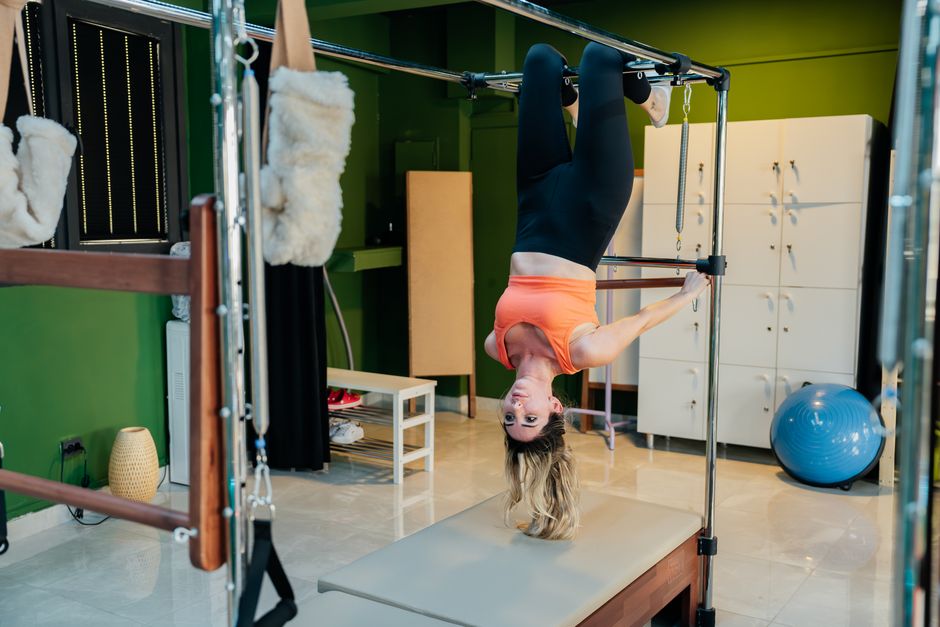
There are two situations where buying equipment is a bad idea. Here they are, straight up.
You’ve Never Worked Out Consistently for 3 Months
If you haven’t stuck with a routine for 12 consecutive weeks, don’t buy anything. Use your body weight. Do push-ups, squats, lunges, planks, and burpees. Follow a free app like Nike Training Club or FitOn. If you can do that for three months without quitting, then invest. Otherwise, you’re buying a paperweight.
You Travel More Than 2 Weeks Per Month
If you’re on the road constantly, a home gym is wasted money. Get a TRX Suspension Trainer ($200) or a set of Lululemon Loop Bands ($18). Both fit in a carry-on. You can do full-body workouts in a hotel room with zero setup. The TRX uses your body weight and gravity — it’s portable, durable, and genuinely effective for strength and mobility.
Tradeoff: Bodyweight training works for about 6 months. After that, you’ll need external resistance to keep gaining. If you’re serious about long-term home training, buy the adjustable dumbbells and pull-up bar. If you’re not sure, wait.
Budget Breakdown: Three Price Tiers for Your Home Workout Equipment Plan
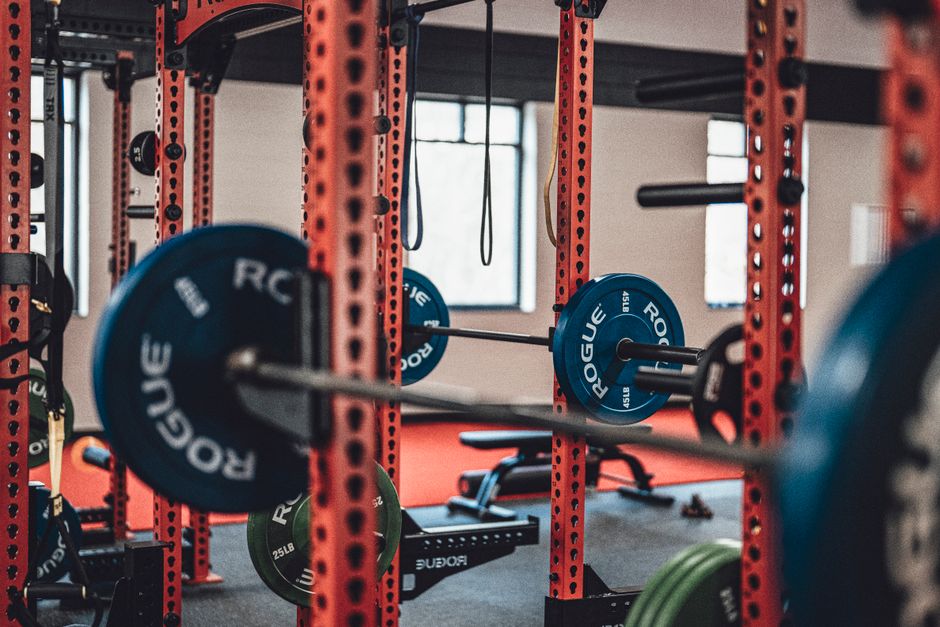
Here’s exactly what you spend at each level. No guessing.
| Tier | Cost | Equipment | Best For |
|---|---|---|---|
| Starter | $50-100 | Resistance bands (WODFitters, $45), pull-up bar (Iron Gym, $30), yoga mat ($25) | Absolute beginners, tight budgets, travelers |
| Intermediate | $250-450 | Adjustable dumbbells (Yes4All or Bowflex SelectTech 552), pull-up bar, bands, mat | Home trainers who want real strength gains |
| Advanced | $600-1,200 | PowerBlock Elite EXP 90, TRX Suspension Trainer, adjustable bench (Flybird, $200), bands, mat | Serious lifters, people with dedicated home gym space |
Bottom line: The Intermediate tier is the sweet spot for most people. It costs less than a year of gym membership and lasts for decades. The Advanced tier is only worth it if you’ve been training consistently for over a year and need heavier weights for deadlifts and rows.
Medical Disclaimer: This content is for informational purposes only and does not constitute medical advice. Always consult a qualified healthcare professional before making health-related decisions.