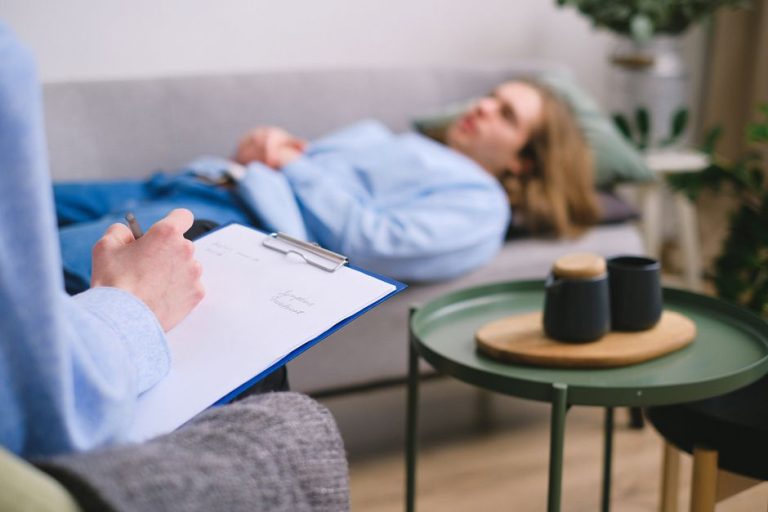

Most people think falling asleep is a passive process. You lie down, close your eyes, and wait. That’s the misconception. Sleep isn’t a switch you flip—it’s a physiological wind-down that requires the right environmental and biological signals. If you’re lying in bed with a racing mind, your evening ritual has already failed you, probably three hours before you even hit the pillow. This guide covers eight specific rituals, why most people get them wrong, and exactly what to look for if you decide to spend money on tools that support them.
The Core Problem: Why Your Brain Won’t Shut Off
Sleep latency—the time it takes to transition from full wakefulness to sleep—should be under 20 minutes for a healthy adult. If yours is longer, the culprit is rarely just “stress.” It’s almost always a mismatch between your internal circadian rhythm and your external environment. Two hormones dictate this process: melatonin and cortisol. Melatonin should rise as light fades. Cortisol should drop. When you blast your eyes with overhead LEDs and scroll through social media at 10 p.m., you’re telling your brain it’s noon. Cortisol stays elevated. Melatonin gets suppressed. No amount of deep breathing fixes that hormonal conflict.
The fix isn’t a single product. It’s a sequence of behaviors that mimic the sunset your brain evolved to expect. Think of these rituals as a cascade: each step triggers the next, creating a physiological momentum toward sleep.
The Cortisol-Melatonin Tug-of-War
Blue light in the 460-480nm wavelength range suppresses melatonin by up to 50% after just two hours of exposure, according to research from Harvard’s sleep lab. This is the same wavelength emitted by your phone, tablet, and most standard LED bulbs. The solution isn’t to stop using devices at 7 p.m.—that’s unrealistic. The solution is to filter that wavelength. Amber-tinted glasses that block 99% of blue light below 530nm, like the Uvex Skyper S1933X ($15), are lab-tested and cost a fraction of “sleep optimization” glasses from trendy brands. Wear them 90 minutes before your target bedtime. They look ridiculous. They also work.
Temperature as a Sleep Signal
Your core body temperature needs to drop by about 1°C to initiate sleep. A warm bath 90 minutes before bed sounds counterintuitive, but it works because it draws blood to your skin’s surface, rapidly dissipating heat once you get out. The rapid cool-down signals your brain that it’s time to sleep. This is also why your bedroom should be between 60-67°F (15.5-19.4°C). Anything above 75°F (24°C) consistently degrades REM sleep. If your bedroom runs hot, a cooling mattress pad like the ChiliSleep Cube ($500+) circulates water at a set temperature. It’s expensive. A $30 fan and lighter bedding solve the problem for most people.
The 8 Rituals Ranked by Impact
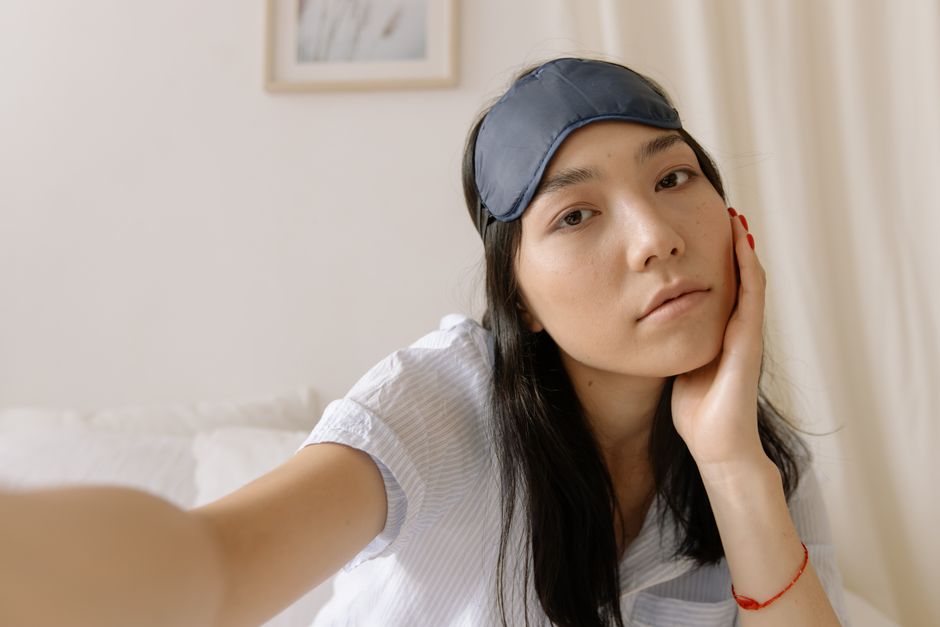
Not all sleep rituals are equal. Some are foundational and non-negotiable. Others are helpful but marginal. Below is a ranking based on the magnitude of effect on sleep onset latency, with a clear verdict on when to invest money versus when to change a behavior for free.
| Ritual | Primary Mechanism | Estimated Impact on Sleep Latency | Free or Paid? | Verdict |
|---|---|---|---|---|
| 1. Light Discipline | Melatonin preservation | High (20-40 min reduction) | Free (behavior) / $15 (glasses) | Start here. Non-negotiable. |
| 2. Temperature Control | Core body temp drop | High (15-30 min reduction) | Free (thermostat) / $30+ (cooling gear) | Fix room temp before buying gadgets. |
| 3. Cognitive Shutdown | Reduced mental arousal | Moderate-High | Free | Brain dump on paper. Costs nothing. |
| 4. Magnesium Supplementation | GABA activation, muscle relaxation | Moderate | $10-25/month | Worth trying if deficient. Get glycinate form. |
| 5. Breathwork (4-7-8 Method) | Parasympathetic activation | Moderate | Free | Effective but requires practice. |
| 6. White Noise / Pink Noise | Auditory masking, deeper sleep | Low-Moderate | $30-100 (machine) | Only if you live in a noisy environment. |
| 7. Weighted Blanket | Deep pressure stimulation | Low-Moderate | $50-200 | Helpful for anxiety, not a cure-all. |
| 8. Aromatherapy (Lavender) | Olfactory relaxation cue | Low | $10-30 | Pleasant but weak. Don’t rely on it alone. |
Failure Modes: Where Evening Rituals Go Wrong
Most people fail at sleep rituals not because they pick the wrong ones, but because they execute them out of sequence or with unrealistic expectations. The biggest mistake is treating sleep aids as substitutes for light discipline. You cannot take a magnesium supplement, diffuse lavender oil, and then scroll Instagram until midnight. The light signal overrides everything else. It’s like trying to stop a flood with a paper towel.
Another common failure: over-optimizing too early. People buy a $200 sunrise alarm clock before they’ve fixed their room temperature. They buy a weighted blanket before they’ve established a consistent bedtime. Start with free interventions. Light discipline and temperature control. Do those for two weeks. Then layer in supplements or tools one at a time. This lets you isolate what actually helps.
The third failure mode is dosage. With magnesium, for example, the form matters more than the brand. Magnesium oxide—the cheapest and most common form in drugstores—has a bioavailability of around 4%. You’ll mostly just get diarrhea. Magnesium glycinate or magnesium threonate are the forms you want. Pure Encapsulations Magnesium Glycinate ($25 for 90 capsules) and NOW Foods Magnesium Glycinate ($15 for 180 capsules) are two reliable options. Take 200-400mg about an hour before bed. Start low. Too much magnesium will disrupt sleep, not help it.
When NOT to Buy Sleep Products

If you have untreated sleep apnea, none of these rituals will fix your sleep. Sleep apnea—characterized by repeated breathing interruptions during sleep—affects an estimated 30 million adults in the U.S., and 80% of moderate-to-severe cases go undiagnosed. If you snore loudly, wake up gasping, or feel exhausted despite 8 hours in bed, skip the magnesium and the weighted blanket. Get a sleep study. A CPAP machine from a brand like ResMed (the AirSense 11 is their current flagship) is the only thing that addresses the root cause. Spending $200 on sleep gadgets when you actually need a medical device is a waste of money and delays real treatment.
Also, if you’re a shift worker with a constantly rotating schedule, no evening ritual can fully compensate for circadian misalignment. Your best investment in that case is blackout curtains (the NICETOWN Blackout Curtains ($25-40 per panel) block 99% of light) and strategic use of low-dose melatonin (0.3-0.5mg, not the 5mg megadoses sold at most retailers). Higher doses of melatonin don’t work better. They just cause next-day grogginess and can actually desensitize receptors over time.
Building a Sequence That Compounds

The rituals work best in a specific order because each one prepares your nervous system for the next. Think of it as a physiological checklist. If you skip a step, the downstream effects weaken. Here’s the optimal 90-minute sequence:
90 minutes before bed: Put on blue-light blocking glasses. Set thermostat to 65°F (18°C). No more food. Digestion raises core temperature—exactly what you don’t want.
60 minutes before bed: Take 200mg magnesium glycinate with a small amount of water. Start dimming overhead lights. Switch to lamps with warm bulbs (under 3000K color temperature). The Philips Hue White Ambiance bulbs ($25 each) let you program this shift automatically.
30 minutes before bed: Brain dump. Write down everything unfinished or worrying you on a notepad. Close the notepad. This isn’t journaling—it’s offloading cognitive tasks from your working memory. Research from Baylor University shows this simple act can reduce sleep onset by 9 minutes on average. It’s free.
10 minutes before bed: 4-7-8 breathing. Inhale through your nose for 4 seconds, hold for 7, exhale through your mouth for 8. Four cycles. This activates the vagus nerve and drops heart rate. If you find breathwork frustrating, a simpler alternative is the physiological sigh: two sharp inhales through the nose followed by a long, slow exhale through the mouth. One or two cycles usually trigger a noticeable drop in heart rate.
In bed: Room should be completely dark. No LED indicators. No charging lights. If you use a white noise machine, the LectroFan Classic ($35) generates non-looping fan sounds and white noise without the mechanical whir of cheap units. Set it to a volume that masks disruptive noises without being intrusive—around 50-60dB is the sweet spot.
If you’ve done all of this and still lie awake after 25 minutes, get out of bed. Go to another room. Do something boring in dim light. Return only when you feel sleepy. Staying in bed awake trains your brain to associate the bed with frustration. That association is harder to break than any circadian disruption.
Medical Disclaimer: This content is for informational purposes only and does not constitute medical advice. Always consult a qualified healthcare professional before making health-related decisions.