

Hay fever is your immune system reacting to airborne pollen from trees, grass, or weeds. The best plan combines fewer pollen exposures with the right treatment, used early and correctly. Small changes can reduce sneezing, blocked noses, itchy eyes, and poor sleep throughout spring.
What causes hay fever symptoms and when are they worst?
Pollen is the trigger, not hay
Hay fever, also called seasonal allergic rhinitis, happens when the immune system treats pollen as a threat. It releases chemicals such as histamine, which cause sneezing, itching, a runny nose, watery eyes, and swelling inside the nose. Some people also develop an itchy throat, cough, tiredness, or pressure around the face.
The name can mislead people. Fresh grass, tree, and weed pollen cause most seasonal symptoms; dried hay is not the main reason the condition has that name. Tree pollen often appears first in spring, grass pollen tends to peak later, and weed pollen can continue into late summer or early autumn. Local weather and plant growth change the timing each year.
Use the weather to plan outdoor time
Pollen spreads most easily on dry, warm, windy days. Counts may be lower after steady rain, but a thunderstorm can stir pollen into the air and trigger sudden symptoms. Check a reliable local pollen forecast, then plan outdoor exercise for times when counts are lower. Do not treat the forecast as a perfect safety signal. Your symptoms matter more than a single number.
| Condition | Likely effect on symptoms | Practical response |
|---|---|---|
| Dry, windy day | Pollen travels easily | Keep windows closed and limit long outdoor exposure |
| Cool, still morning | Often less pollen movement | Choose this period for a walk if symptoms allow |
| After steady rain | Air may feel clearer | Use the opportunity for ventilation, but watch for later drying |
| Thunderstorm | Airborne particles can rise quickly | Stay indoors during and soon after the storm |
The clearest verdict is simple: learn your main pollen season, then begin prevention before symptoms become severe.
How to reduce pollen exposure at home and outside
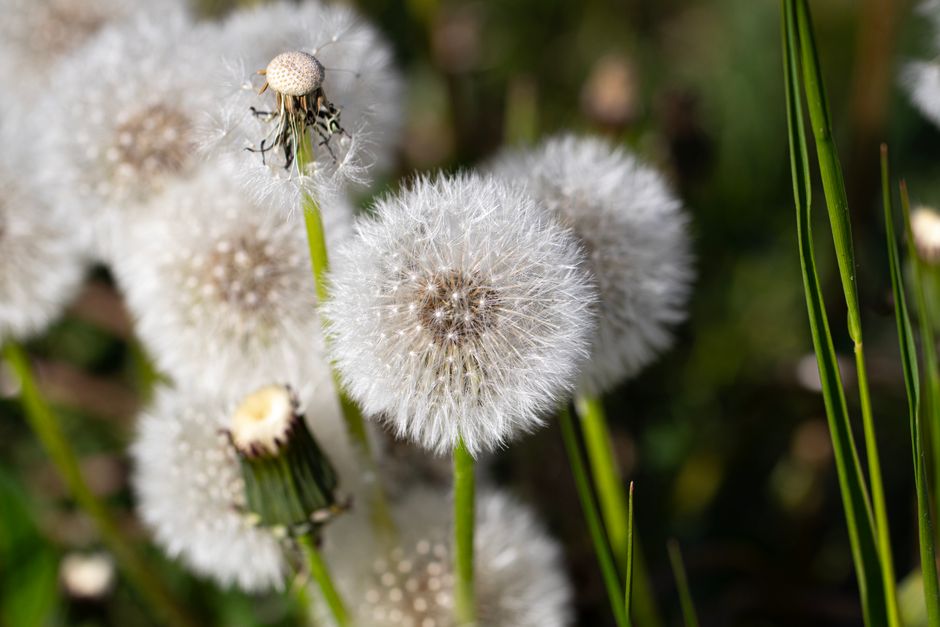
A five-step daily routine
- Check pollen levels before leaving. Change a long run or garden project when counts are high and the air is dry.
- Keep pollen outside. Close windows during peak periods, use air conditioning on a recirculating setting, and change clothes after spending a long time outdoors.
- Wash your face and hair before bed. Pollen can cling to hair, eyebrows, skin, and clothing. A shower reduces the amount transferred to bedding.
- Dry laundry indoors during high-count days. Outdoor drying gives pollen an easy route onto sheets, towels, and clothes.
- Protect your eyes and nose. Wraparound sunglasses reduce direct contact with the eyes. A well-fitting mask can reduce inhaled pollen during gardening or mowing.
Control the bedroom first
The bedroom deserves priority because you spend many hours there. Wash bedding regularly according to the fabric label, keep pets off the bed if they carry pollen indoors, and remove outdoor clothes before lying down. A vacuum with good filtration may help reduce settled dust, although cleaning can briefly move particles into the air. If cleaning makes symptoms worse, wear a mask or ask someone else to vacuum.
Do not turn your home into a sealed box without fresh-air planning. Closed windows help on high-pollen days, but poor ventilation can worsen dampness, odors, or indoor irritants. Use a bathroom fan during showers and deal with visible mold. The best exposure plan is targeted: reduce pollen when counts are high, then ventilate when outdoor air is more comfortable.
Which hay fever treatments work best for each symptom?
For sneezing, itching, and a runny nose
Antihistamines block the effect of histamine and usually work best for sneezing, nasal itching, and a watery runny nose. Newer non-sedating options are less likely to cause drowsiness than older medicines, but people respond differently. Read the label, avoid driving if you feel sleepy, and ask a pharmacist before combining medicines. Alcohol can add to tiredness with some products.
For a blocked nose
An intranasal corticosteroid is usually the strongest option for ongoing congestion and inflammation inside the nose. It does not work like an instant decongestant. Daily use matters, and relief may take several days to build. Start before your usual pollen season if a clinician or pharmacist has advised that plan.
Technique changes the result. Gently clear the nose first, keep your head slightly forward, aim the nozzle toward the outside wall of the nostril rather than the middle septum, and breathe in softly. Hard sniffing can send the spray into the throat. Follow the product label for dose and age limits.
For eye symptoms
Cool compresses and sunglasses can calm itchy, watery eyes. Antihistamine eye drops may help when eye symptoms are prominent. Do not rub your eyes; rubbing adds friction and can worsen swelling. If you wear contact lenses, check the drop instructions because some products require lenses to be removed before use.
Saline nasal rinses can wash mucus and pollen from the nose, but water safety is essential. Use sterile or distilled water, or tap water that has been boiled and cooled as directed by public health guidance. Clean and dry the device after each use. Nasal decongestant sprays can give quick relief, but using them for longer than the label allows may cause rebound congestion. For most people with persistent spring symptoms, a correctly used nasal steroid plus sensible exposure control is the clearest first choice.
When should you see a clinician about spring allergies?
Can hay fever affect asthma?
Yes. Nasal inflammation can make asthma symptoms harder to control, and pollen can affect both the upper and lower airways. If you have asthma, keep following your asthma action plan and do not replace prescribed inhalers with hay fever treatment. Contact a clinician if coughing, wheezing, or breathlessness increases during pollen season.
When is allergy testing or immunotherapy worth discussing?
Arrange medical advice when symptoms disrupt sleep, work, school, exercise, or outdoor activities despite careful self-care. Testing may help when the trigger is unclear, symptoms last far beyond the expected season, or treatment choices are limited by side effects. Allergen immunotherapy can reduce sensitivity for selected people, but it requires assessment, regular treatment, and a long-term commitment. It is not a quick fix for a single bad weekend.
Seek urgent help for severe breathing difficulty, blue or gray lips, fainting, sudden facial or throat swelling, or trouble swallowing. Get prompt medical advice for worsening asthma, repeated nosebleeds, eye pain or vision changes, or symptoms that feel very different from your usual hay fever.
A clinician can also check for non-allergic rhinitis, sinus disease, medication effects, or infection. This matters because stronger allergy treatment will not solve the wrong problem. If your symptoms are mild, clearly seasonal, and improve with sensible prevention and pharmacy advice, self-care may be enough. If they keep controlling your life, escalation is the right move.
What is the most reliable hay fever plan for spring?

Start early, protect the bedroom, and match treatment to the symptom that bothers you most. Use pollen forecasts to plan rather than panic. Keep windows closed during high-count periods, wash pollen from your hair and clothes before bed, and use nasal treatment with the correct technique. Choose a pharmacist or clinician when age, pregnancy, other medicines, asthma, or long-term health conditions make the decision less simple.
A simple decision check
- Mostly sneezing and itching: ask about an antihistamine.
- Mostly blockage: ask about a daily anti-inflammatory nasal spray.
- Mostly itchy eyes: use a cool compress and ask about suitable eye drops.
- Symptoms after gardening or mowing: add a mask, glasses, clothing changes, and a shower.
- Wheeze or chest tightness: follow your asthma plan and seek medical advice.
The final verdict
Hay fever is easier to manage when you treat it as a seasonal pattern instead of a daily surprise. The most useful habit is to begin a practical prevention and treatment routine before pollen peaks, then seek advice if symptoms still interfere with sleep, breathing, or normal activities. The single most important takeaway is to start controlling pollen exposure and symptoms early, before spring allergies take over your day.
Always consult a qualified healthcare professional before making health-related decisions.