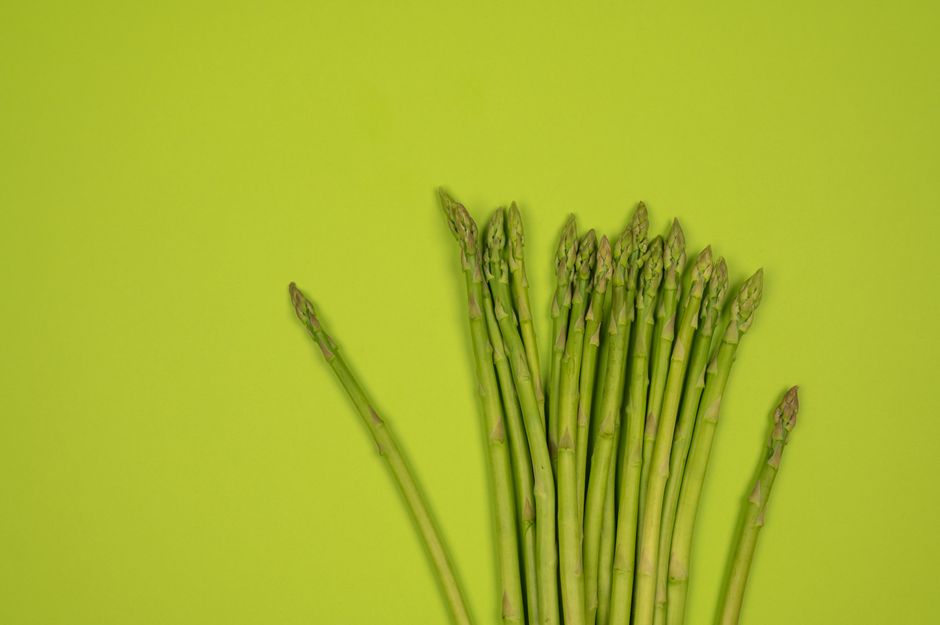
Spring brings tender peas, asparagus, spinach, spring onions, new potatoes and broad beans to the kitchen. The easiest way to use them is not to build separate meals for adults and children, but to add small, familiar fibre upgrades to food your family already accepts.
Which spring vegetables add the most useful fibre?
Green peas and broad beans are the best spring starting points because they bring fibre, colour and a mild sweetness that works in ordinary family food. Asparagus and spinach matter too, but they usually contribute smaller amounts per serving and need help from beans, whole grains or potatoes with their skins.
Think in fibre groups, not one magic vegetable
Vegetable fibre helps food move through the gut and supports a varied diet, but one serving of vegetables will not solve a low-fibre eating pattern on its own. Adults in the UK are advised to aim for 30g of fibre a day. A useful family meal combines at least two sources: peas with wholemeal pasta, spinach with lentils, or new potatoes with their skins alongside beans.
Use spring vegetables for taste as well as nutrition
Young peas taste sweet, asparagus adds a grassy crunch, and spring onions bring a mild onion flavour without the sharpness of mature onions. Those details matter when children reject food because it tastes unfamiliar. Stir peas into a tomato sauce, fold chopped spinach into scrambled eggs, or roast halved new potatoes until the skins turn crisp. The meal gains fibre without looking like a bowl of health food.
Build up slowly when the family eats little fibre
A sudden jump from white bread, low-fibre cereal and plain pasta to large portions of beans and whole grains can cause wind, cramps or loose stools. Add one change every few days and serve water with meals. The NHS fibre guidance also recommends increasing fibre gradually. For constipation, bowel disease or ongoing pain, get personalised advice from a GP or dietitian.
How do spring vegetables compare for family meals?
The clear winner for busy households is frozen peas: they need no trimming, cook in minutes and work in pasta, rice, soup and mash. Fresh asparagus wins for a quick side dish, while broad beans offer more texture but take more preparation. Use the table as a shopping guide rather than chasing a perfect seasonal basket.
Best use for each spring vegetable
| Vegetable | Family-friendly use | Main advantage | Watch out for |
|---|---|---|---|
| Green peas | Pasta sauce, rice, mash | Sweet taste and fast cooking | Overcooking makes them dull |
| Broad beans | Toast topping, stew, salad | Filling texture and plant protein | Older beans may need skinning |
| Asparagus | Roasted side or omelette | Cooks in 8 to 12 minutes | Woody ends need trimming |
| Spinach | Eggs, curry, pasta sauce | Shrinks into sauces easily | Fresh leaves reduce dramatically |
| New potatoes | Tray bake or potato salad | Skins add texture and fibre | Peeling removes part of the benefit |
My practical ranking
Choose peas for the most reliable everyday upgrade, new potatoes for a filling family dinner, and spinach when you need to add vegetables without changing the shape of the meal. Choose broad beans when adults and older children enjoy a stronger texture. Asparagus is worth buying for a quick seasonal side, but it should not carry the whole fibre plan.
How can you add fibre without cooking separate meals?
The most effective method is a one-change rule: keep the meal familiar, then replace or add one component. Do not put a completely new plate in front of a hesitant child and call the resistance a nutrition problem.
Use this five-step dinner method
- Start with the accepted base. Use the family’s usual pasta, rice, eggs, soup or roast dinner.
- Add one spring vegetable. Begin with two tablespoons of peas, spinach or finely chopped spring onion per child.
- Add a second fibre source. Choose wholemeal pasta, potato skins, lentils, chickpeas or a seeded bread.
- Keep one plain food visible. A serving of rice, bread or potatoes can stop the meal feeling risky to a child.
- Repeat without pressure. Leave the vegetable on the plate and offer it again in a new form on another day.
Make the first portion small
Two tablespoons of peas mixed through a familiar sauce look less threatening than a large pile of vegetables. If the child accepts that amount, add more next time. Adults can take extra vegetables at the table, so the family meal stays shared rather than divided into a child version and an adult version.
Change texture before changing flavour
Blend cooked peas into soup, mash them with potatoes, or chop spinach into an omelette if whole leaves cause rejection. For children who dislike soft food, roast spring vegetables or serve them raw where safe and suitable. Texture is often the real problem, not the vegetable’s flavour.
Should you hide vegetables or put them in plain sight?
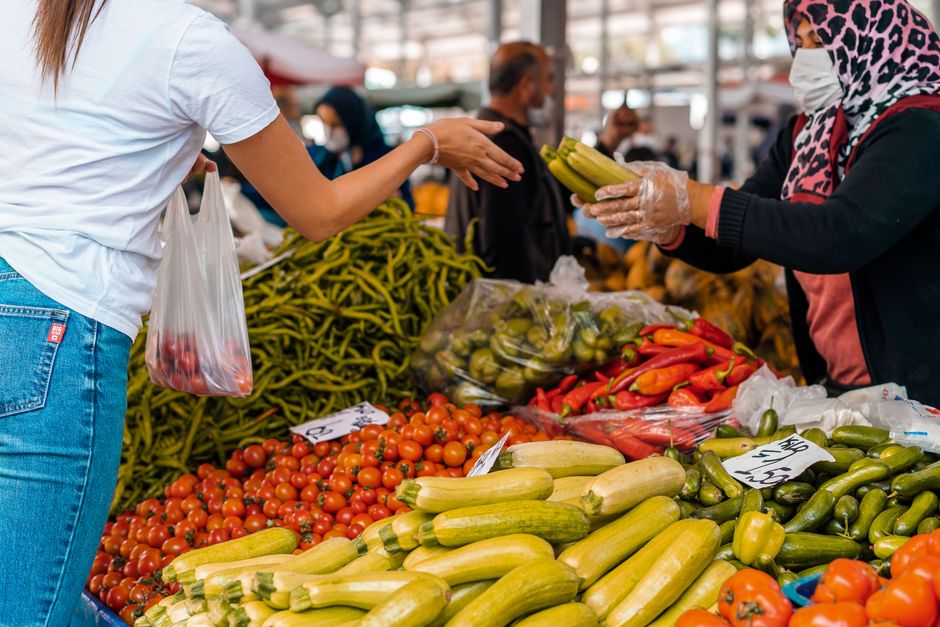
Use both methods, but make visible vegetables the long-term goal. Blending peas into a sauce can help a family eat more fibre today, while serving a few whole peas teaches children what the ingredient looks and tastes like. A hidden vegetable should add value, not become a trick that makes children distrust dinner.
Blend when the recipe already supports it
Pea and spinach soup, lentil tomato sauce and vegetable curry naturally suit blended ingredients. Add cooked peas to a tomato sauce with garlic and olive oil, then blend until smooth. The sauce still needs salt, acidity and herbs, because a fibre upgrade cannot rescue a bland meal. Serve it with wholemeal pasta or a small portion of bread with seeds.
Show the ingredient when texture can work
Put asparagus spears beside an omelette, scatter peas over rice, or serve sliced new potatoes with yoghurt and herbs. Let children choose one item to taste rather than demanding a clean plate. This approach takes longer, but it builds familiarity and gives the child a reason to try the same food again.
The verdict is simple: hide vegetables for convenience, reveal them for learning, and avoid making either method your only strategy.
Why do family fibre plans fail?
Why does everyone feel bloated after the change?
The usual cause is speed. A family that normally eats very little fibre may react to large servings of beans, bran cereal, wholemeal bread and vegetables all at once. Reduce the portion, keep the vegetable, and add changes one at a time. Water matters because fibre draws in fluid as it moves through the gut. Persistent pain, blood in the stool, unexplained weight loss or a major change in bowel habits needs medical advice.
Why do children reject the healthier version?
Many parents change several things in one meal: brown rice, lentils, strong herbs and unfamiliar vegetables. That creates too many reasons to say no. Keep the sauce and seasoning familiar, then change the grain or vegetable first. A child who accepts peas in white pasta may accept wholemeal pasta later.
When should you not push a higher-fibre meal?
Do not force a large fibre increase during a stomach bug, severe constipation with pain, or a flare of a diagnosed bowel condition without professional guidance. Some people with irritable bowel symptoms also need help choosing which fibre sources suit them.
What does a simple seven-day fibre plan look like?
Use rotation rather than a different recipe every night. The recommendation is to repeat easy combinations until they become normal. Each dinner below pairs a spring vegetable with another fibre source, so the plan does not rely on vegetables alone.
Seven easy family combinations
- Monday: tomato pasta with peas and grated cheese; use half wholemeal pasta if the family is new to it.
- Tuesday: roast new potatoes with asparagus, eggs and a spoonful of yoghurt dressing.
- Wednesday: chicken or chickpea curry with spinach and brown rice.
- Thursday: fishcakes with peas, potato skins and sweetcorn.
- Friday: homemade pizza topped with spring onions, spinach and a side salad.
- Saturday: broad bean and pea soup with wholemeal toast.
- Sunday: roast vegetables, lentil gravy and new potatoes cooked with their skins.
Prep once, use three times
Wash spring onions, trim asparagus and cook a large batch of peas while you unpack the shopping. Store cooked vegetables in the fridge and use them within the safe storage window on your household food guidance. Freeze extra soup or sauce in single-meal portions. A ready ingredient removes the most common barrier to healthier family food: deciding what to do at 5 p.m.
The strongest plan is the one that repeats without drama: one familiar base, one spring vegetable, one extra fibre source and enough water for the change to feel comfortable.
Always consult a qualified healthcare professional before making health-related decisions.