Hot weather raises fluid loss through sweat, but the right drink depends on duration, exertion, and illness. Water handles most routine days; long sweating or vomiting may require sodium and glucose. Use warning signs, not a bottle label, as the line between self-care and urgent medical help.
Why does hot weather increase your fluid needs?
Sweat cools you, but it also removes water and salt
Your body cools itself when sweat evaporates from the skin. Heat, humidity, direct sun, heavy clothing, and physical work all increase the amount of sweat needed to control body temperature. You lose mostly water, but sweat also contains sodium and other electrolytes. That loss explains why a person can feel weak, crampy, dizzy, or headachy after several hours outside even after drinking some water.
Humidity creates a second problem. Sweat may sit on the skin instead of evaporating, so you lose fluid without receiving the same cooling benefit. A shaded, breezy break can protect you more effectively than simply drinking another large bottle.
Use activity and urine colour as practical checks
For ordinary errands, drink regularly and use thirst, mouth dryness, energy, and urine colour as useful checks. Pale-yellow urine usually suggests better hydration; dark, strong-smelling urine and fewer trips to the bathroom suggest that you need more fluid. These clues are not a diagnosis, especially if you take diuretics or have kidney disease.
Do not force down unlimited water: NIOSH says fluid intake generally should not exceed 6 cups per hour. Longer work, heavy protective clothing, extreme humidity, or repeated sweating calls for planned breaks, shade, cooling, and a drink strategy.
Which drinks work best for hot weather hydration?
Water wins for routine heat and short activities
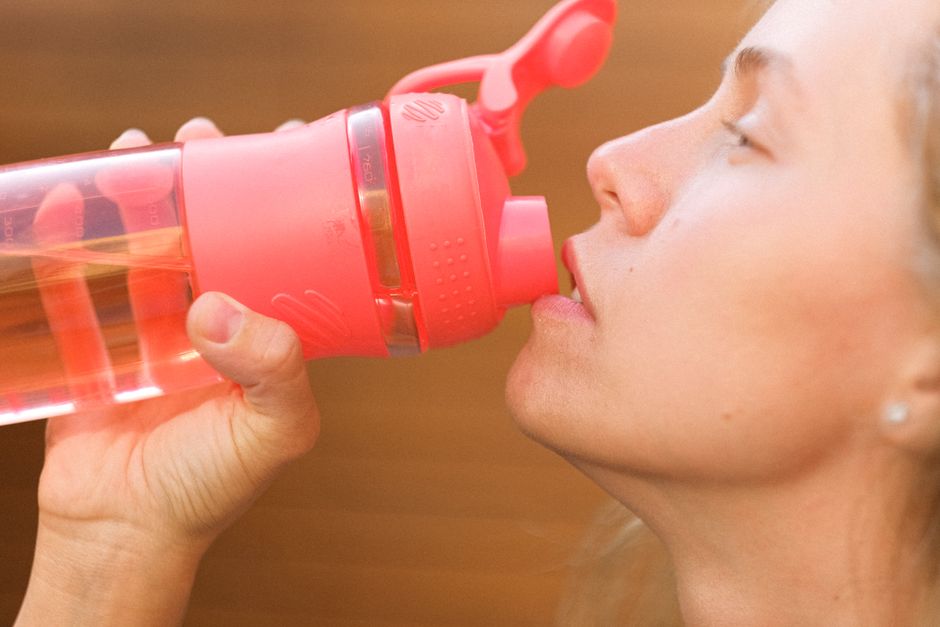
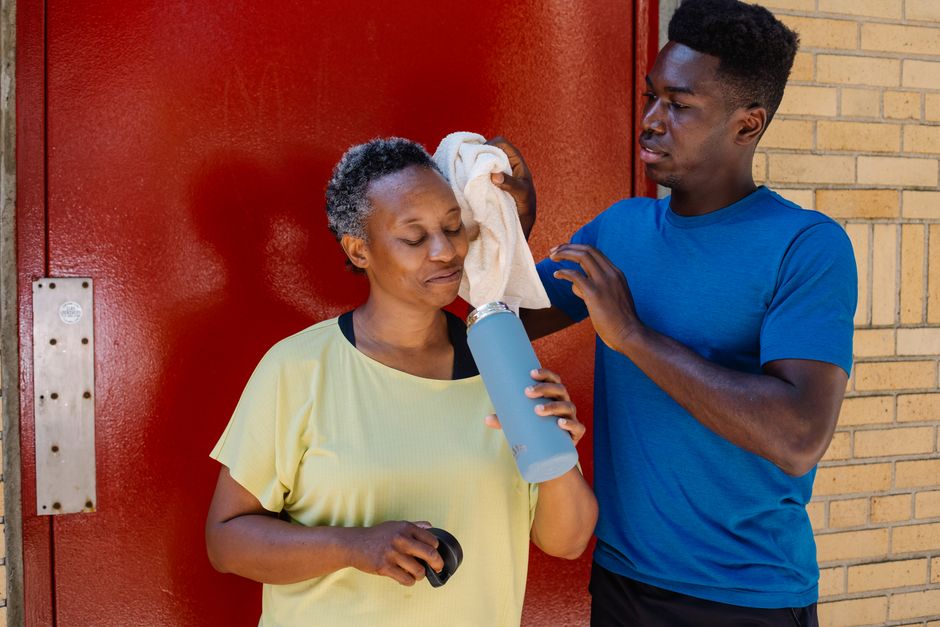
Water first is the clearest verdict for most people walking, gardening, commuting, or exercising lightly for less than an hour. It has no added sugar, no calories, and no sodium burden. Cold water can make drinking easier, although very cold drinks bother some stomachs.
Electrolytes earn their place after prolonged sweating
Electrolyte drinks make more sense when sweating lasts for several hours, exercise is intense, or a person has lost fluid through vomiting or diarrhea. They do not make an ordinary soft drink healthy, and they cannot reverse heatstroke. Compare the label for sugar, sodium, caffeine, and serving size. Prices vary by state, store, and package, just as household budgets vary, so compare the label rather than assuming a higher price means better hydration.
These are category examples, not endorsements, and retail formulas and prices change. For illness-related dehydration, a pharmacy oral rehydration solution has a more specific purpose than coconut water or a sports drink.
Which foods help you stay hydrated?
Build meals around water-rich foods
Food can supply fluid gradually across the day, which helps people who dislike plain water. Choose watermelon, oranges, grapes, strawberries, peaches, cucumbers, tomatoes, lettuce, yogurt, milk, smoothies, chilled soups, and broth-based meals. A bowl of fruit with yogurt gives fluid plus carbohydrate and protein; gazpacho adds fluid and vegetables; a sandwich with tomato and lettuce is easier to eat in hot weather than a dry, salty snack.
- Breakfast: yogurt with strawberries, melon, or sliced peach plus a glass of water.
- Lunch: a salad with cucumber and tomatoes, or a broth-based soup with a piece of fruit.
- Outdoor snack: grapes, an orange, applesauce, or a low-sugar yogurt kept cold.
- Dinner: vegetables, beans, rice, or a chilled grain salad with water at the meal.
Food supports hydration; it does not replace a safety plan
Water-rich foods cannot compensate for several hours of hard work in direct sun. They also cannot treat confusion, fainting, or a very high body temperature. Avoid relying on salty chips, cured meat, or salt tablets as an electrolyte plan. Regular meals usually replace the salt lost during ordinary sweating, while salt tablets can create an unsafe sodium load.
People with heart failure, kidney disease, uncontrolled blood pressure, or a prescribed fluid restriction need individualized advice before increasing drinks, broth, or electrolyte products. The same caution applies during pregnancy and when taking medicines that affect fluid balance. The strongest food choice is the one you can eat safely, keep cold, and pair with a planned drink and cooling breaks.
What warning signs mean dehydration or heat illness?

Is dark urine or dizziness a reason to act?
Yes. Thirst, dry mouth, headache, fatigue, light-headedness, dark yellow urine, and urinating less often can signal dehydration. Stop strenuous activity, move to a cool place, loosen extra clothing, and take small sips if the person is alert and not vomiting. The MedlinePlus dehydration guidance supports water for mild cases and electrolyte drinks when substantial minerals have been lost.
When does heat exhaustion need medical attention?
Heavy sweating, weakness, muscle cramps, nausea, dizziness, headache, cool clammy skin, and a fast weak pulse can point to heat exhaustion. Cool the person and give small sips of water or an appropriate electrolyte drink if they are awake and able to swallow. Get medical help if symptoms worsen, if the person faints, or if they do not improve within about one hour after cooling and drinking.
What does heatstroke look like?
Confusion is an emergency. Call the local emergency number immediately. Move the person to a cooler place, remove excess clothing, and cool the skin with water, wet cloths, or cold packs while help is coming. Do not give drinks to someone who is confused, unconscious, or unable to swallow safely. The MedlinePlus heat-emergency guidance treats heatstroke as a life-threatening emergency, not a problem to solve with another bottle of water.
Which hot-weather hydration plan should you choose?
The decision rule
The red line is heat illness, not product selection. If someone becomes confused, faints, has a seizure, cannot swallow, or has a very high temperature, stop comparing drinks and call emergency services while cooling the person safely.
Quick comparison
Always consult a qualified healthcare professional before making health-related decisions.