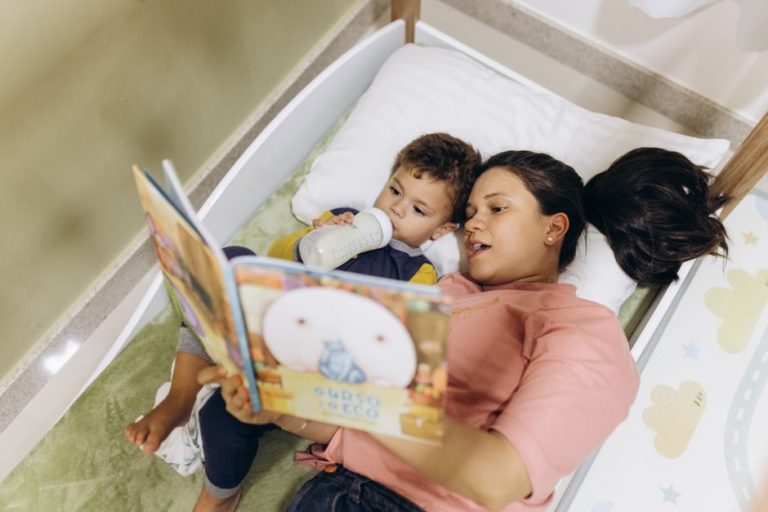

At 6:15 on a dark January morning, one child is coughing, one parent is rushing to work, and everyone is asking the same question: what should we have done differently? The strongest answer is rarely a single vitamin or expensive wellness product. A household usually gets better protection from a short list of repeatable habits that reduce exposure, support normal body function, and make illness easier to manage.
A daily household routine that lowers avoidable risk

The best routine is the one people can repeat on ordinary weekdays. The schedule below is practical because it ties each action to an existing part of the day. It does not require constant cleaning or a cabinet full of supplements.
| Time | Household action | Reason |
|---|---|---|
| Morning | Drink water, eat a protein-containing breakfast, and check for fever or new symptoms. | Catches illness early and supports regular energy intake. |
| Midday | Take a short outdoor walk or move indoors for 10 to 20 minutes. | Supports sleep pressure, mood, and daily activity. |
| After work or school | Wash hands before eating and ventilate the main living area for several minutes. | Reduces transfer from shared surfaces and stale indoor air. |
| Evening | Keep dinner balanced, limit alcohol, and begin a regular wind-down period. | Protects sleep quality and reduces late-night routine drift. |
| Before bed | Set out medicine, tissues, fluids, and a thermometer if someone is sick. | Makes overnight care calmer and more organized. |
What deserves priority
If time is limited, choose ventilation, sleep, hand hygiene at key moments, and staying home during fever or significant symptoms. Those actions affect the whole household. Scrubbing every doorknob several times a day usually offers less value than keeping hands clean before food and improving airflow in a crowded room.
The clear verdict
A repeatable routine beats a heroic weekend cleanup. The family that opens the bedroom window briefly, eats regular meals, protects bedtime, and responds early to symptoms has a stronger practical plan than the family that buys several unproven boosters after exposure has already occurred.
Which winter habits deserve your money first?
Spend first on the habits that remove a real barrier. A household with poor ventilation may benefit more from a properly sized air purifier than from another bottle of gummies. A family skipping meals may need simple groceries and prepared food. A child staying up late because of an irregular schedule needs a bedtime plan, not a branded immune drink.
- Protect sleep. Use a consistent wake time, dim bright screens before bed, and keep the bedroom cool enough for comfortable sleep.
- Improve indoor air. Use kitchen and bathroom exhaust fans, avoid smoking indoors, and consider filtration in the most crowded room.
- Make balanced food easy. Keep eggs, beans, yogurt, frozen vegetables, fruit, oats, and soup ingredients available for quick meals.
- Build a sick-day kit. Include a digital thermometer, tissues, oral fluids, masks, and any medicines already approved for the person using them.
- Set a school and work rule. A fever, worsening symptoms, or poor energy should trigger rest and a check of local guidance.
What usually wastes money
Products that promise to “boost” immunity overnight deserve caution. The immune system is not a simple battery that needs charging. Large doses of vitamins can cause side effects, interact with medicines, or create false confidence. A supplement can be useful when a clinician identifies a deficiency or a person has a specific dietary need. It is a weak substitute for sleep, food, ventilation, and timely medical care.
Buyer verdict
For a limited budget, buy the thermometer and basic sick-day supplies first. Then improve air quality and food access. Put immune gummies and high-dose powders at the bottom of the list unless a qualified clinician has given a specific reason to use them.
How should families handle food, sleep, and movement?

Is a special winter diet required?
No. A varied diet is the better target. Add a protein source to meals, include several colors of produce over the week, and use fortified foods when they fit the household. Soup, beans, eggs, citrus fruit, leafy greens, whole grains, and yogurt can support regular nourishment without turning dinner into a medical project. The practical recommendation is to make the healthy choice convenient, not perfect.
Can exercise prevent every winter illness?
No, but regular moderate activity supports sleep, mood, and general health. A 20-minute brisk walk, indoor cycling session, dance break, or active game can be enough for a busy day. Hard training while sick can backfire, especially with fever, chest symptoms, dizziness, or unusual fatigue. Rest wins in those situations.
How much sleep should a household protect?
Adults commonly need seven or more hours. Teenagers often need eight to ten, and younger children need more. The exact need varies, but the household signal is easy to spot: repeated late nights, difficult mornings, irritability, and reliance on caffeine show that the routine is failing. Set one consistent wake time and move bedtime earlier in small steps. That approach usually works better than trying to force an abrupt two-hour change.
The verdict is clear: ordinary food, regular movement, and protected sleep are more dependable foundations than a product marketed as a shortcut.
What to buy for safer indoor air and symptom care

Some products can solve a concrete household problem. They should not be sold as immune shields. For indoor air, look at clean air delivery rate, room size, filter cost, noise, and replacement availability. A purifier that is too small for the room may run constantly without moving enough air. The best product choice is the one sized for the room where people spend the most time.
Best filtration choices for common rooms
The Honeywell HPA300 is a strong pick for a larger bedroom or living area because its listed smoke CADR is about 450 cubic feet per minute; typical retail pricing is around $249.95, though sales change. The Levoit Core 300S is better for a smaller bedroom or office, with a listed CADR near 141 CFM and a common price around $149.99. Choose the Honeywell for higher airflow. Choose the Levoit when lower space use and a smaller room matter more.
Neither device replaces ventilation, vaccination decisions, staying home when ill, or medical care. Check the filter cost before buying. A low purchase price can become expensive if replacement filters are difficult to find.
Useful comfort products, with limits
The Vicks Warm Mist Humidifier V750 is commonly priced near $49.99 and can add moisture when indoor air feels uncomfortably dry. Clean it exactly as directed; a dirty humidifier can spread contaminants. A basic digital thermometer often costs $10 to $20 and is a more useful sick-day purchase than an expensive immune bundle. For supplements, Nature Made Vitamin D3 1000 IU tablets often sell near $7.99 for 100 tablets, but that price and dose do not mean every person should take them.
For a family buying one item, choose the correctly sized air purifier for the main shared room. For symptom care, choose the thermometer and supplies first. The product verdict is based on a measurable household problem, not a promise of guaranteed immunity.
How to manage a sick day and know when to seek help
What the household should do first
Move the sick person to a comfortable space, improve airflow, offer fluids, and reduce close contact when practical. Label personal towels and avoid sharing cups. Follow the medicine label, use age-appropriate dosing, and ask a pharmacist when the person takes other medicines or has a chronic condition. Keep a written record of fever, fluid intake, and symptoms if the illness is difficult to track.
Which warning signs change the plan?
Seek urgent medical help for trouble breathing, bluish or gray lips, severe dehydration, confusion, a seizure, chest pain, or a person who cannot stay awake normally. Infants, older adults, pregnant people, and those with conditions that affect the heart, lungs, or immune system may need earlier advice. A fever that persists, symptoms that worsen after improvement, or concern about flu or COVID-19 treatment is a reason to contact a clinician promptly.
Rules for school, work, masking, testing, and isolation can change by location and illness. Check current public-health guidance and the advice of a licensed clinician. This is not legal advice — consult a licensed attorney. It is also not a diagnosis; a healthcare professional should guide decisions that involve serious symptoms or high-risk household members.
Back at 6:15 the next morning, the family may still have one cough and a missed school day. The difference is that the thermometer is ready, the sick person can rest, the room has better airflow, and nobody is relying on a miracle powder. That is what effective winter immune support looks like: a calm, repeatable plan built around real household needs.
Medical Disclaimer: This content is for informational purposes only and does not constitute medical advice. Always consult a qualified healthcare professional before making health-related decisions.